
Kārearea
New Zealand falcon
Falco novaeseelardiae


Their Story
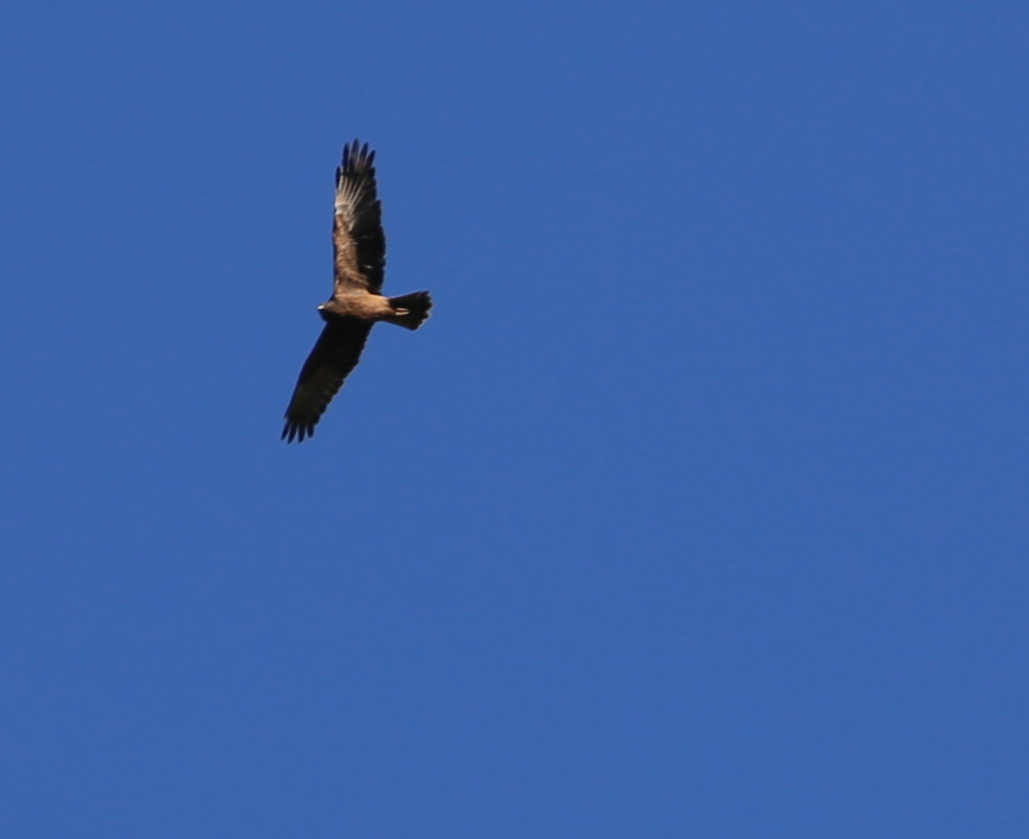
The kārearea (New Zealand falcon) is one of Aotearoa’s most formidable native birds, capable of flying at speeds exceeding 100 km/h. Agile and precise, they use speed, manoeuvrability, and exceptional eyesight to hunt birds in flight. Their main prey are small to medium-sized birds, but they may also catch larger animals such as ducks, pheasants, rabbits, and hares — as well as insects like cicadas, dragonflies, and huhu beetles.
Falcons differ from hawks and eagles by having a tomial tooth — a notch on the upper bill with a matching groove on the lower — which allows them to kill prey with a bite-and-twist motion. Hawks and eagles, by contrast, rely on stronger beaks to crush bones.
Adult kārearea measure 40–50 cm in length. Females, weighing 420–740 g, are about a third larger than males, which weigh 205–340 g. Both sexes are highly territorial. They live separately through winter, reuniting in spring when courtship begins. The male’s initial approach often takes the form of a mock attack, followed by aerial chases that culminate in a dramatic “pass” — when the male flies towards the female carrying prey, and just before collision, both roll outward, touching talons as the food is transferred mid-air.
Kārearea do not build traditional nests. Instead, they create a shallow “scrape” on the ground, cliff ledge, or epiphyte. Clutches range from one to four eggs, incubated for around 33 days by both parents. The female broods the chicks while the male hunts, passing food to her mid-air — either foot-to-foot or by dropping it for her to catch. Chicks fledge at 32–45 days and become independent between 75–124 days. Juveniles can be recognised by their blue-grey legs, which turn yellow as they mature.
Threats include predation by introduced mammals, habitat loss, human persecution (trapping, shooting, poisoning), collisions with vehicles and windows, and electrocution from uninsulated power lines. With an estimated population of 5,000–8,000 birds, kārearea are a protected species.
We’re fortunate to have resident pairs of kārearea within the Brook Waimārama Sanctuary — vital native predators and an important part of our forest ecosystem.
Conservation Status

At Risk – Recovering
A protected native predator, numbering around 5,000–8,000 individuals across New Zealand.
Population

Found throughout mainland New Zealand and some offshore islands, favouring open forest, tussock, and hill country. Resident pairs are established within the Brook Waimārama Sanctuary.
Voice

A sharp, repeated “kek-kek-kek” call, especially during breeding season or when alarmed.
Food

Feeds mainly on small to medium-sized birds, but also takes mammals such as rabbits and hares, and insects including cicadas, dragonflies, and huhu beetles.
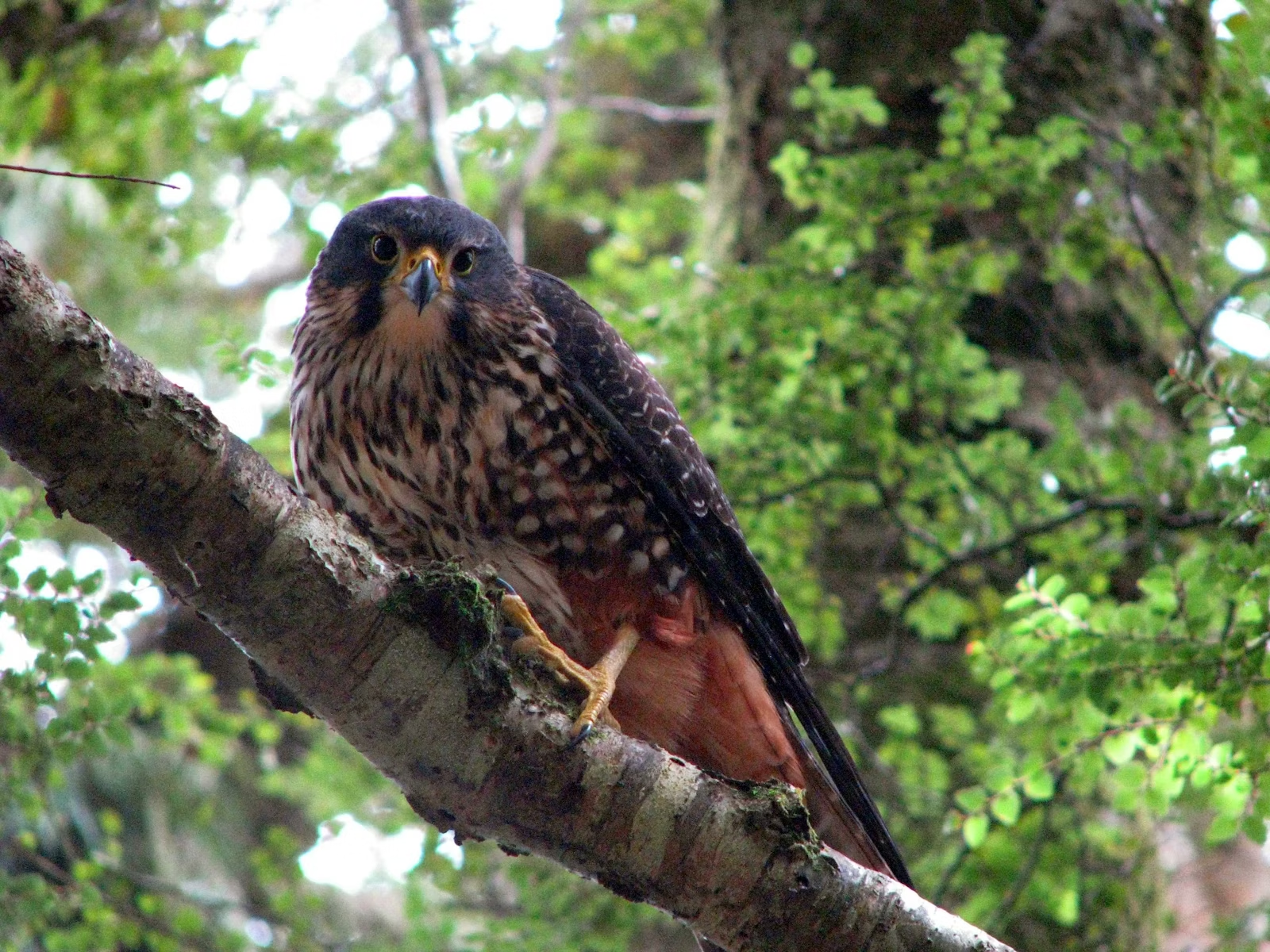
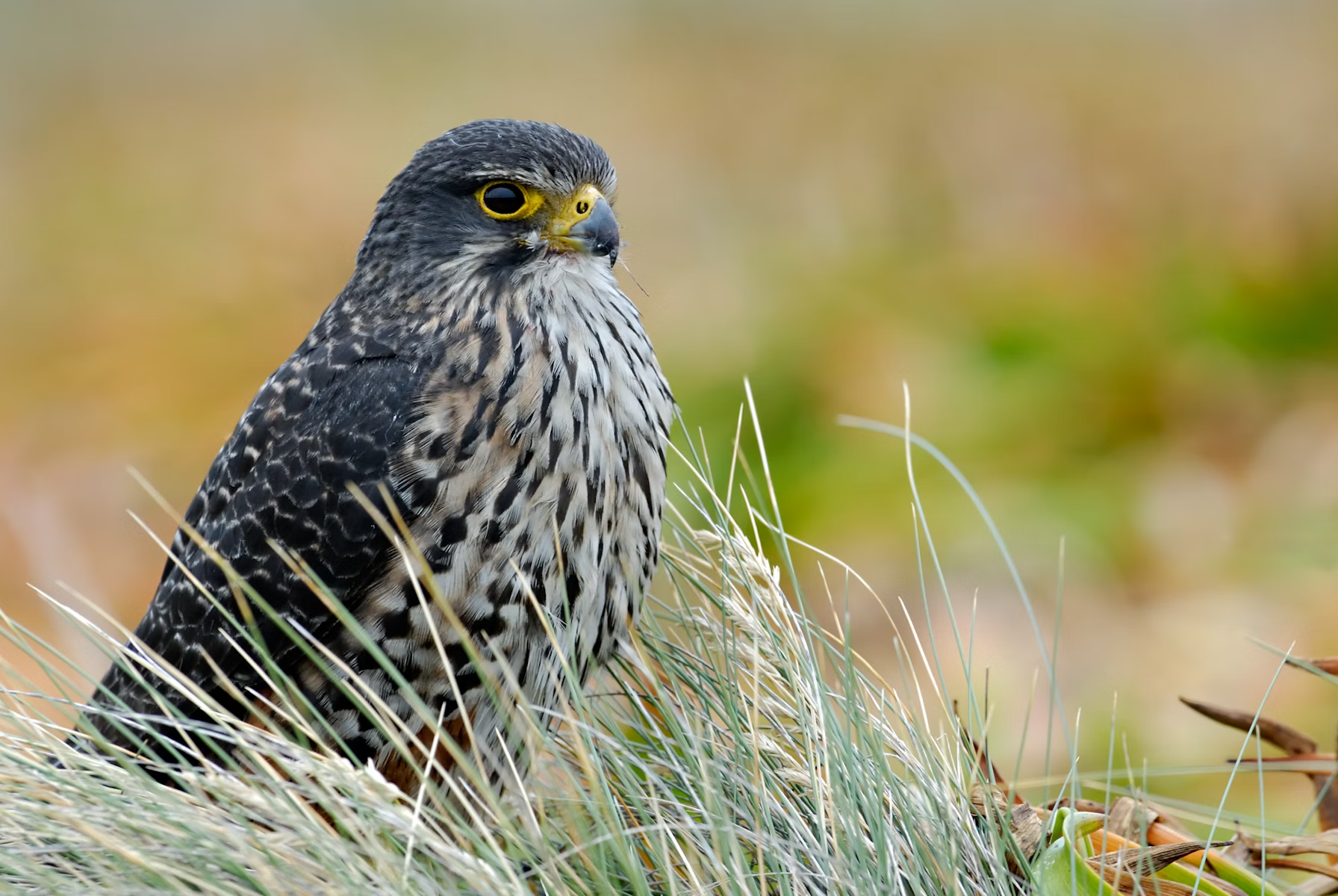
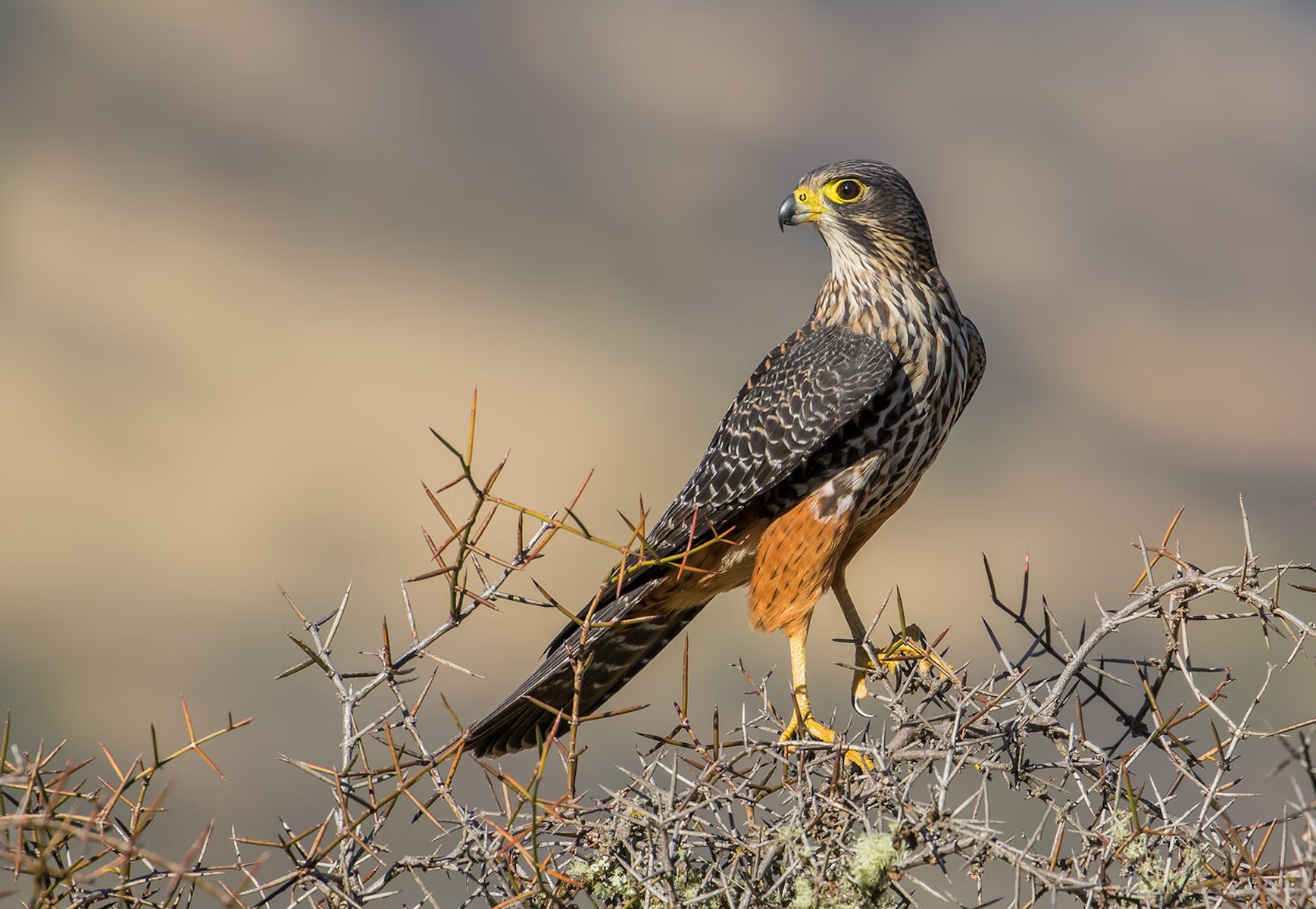
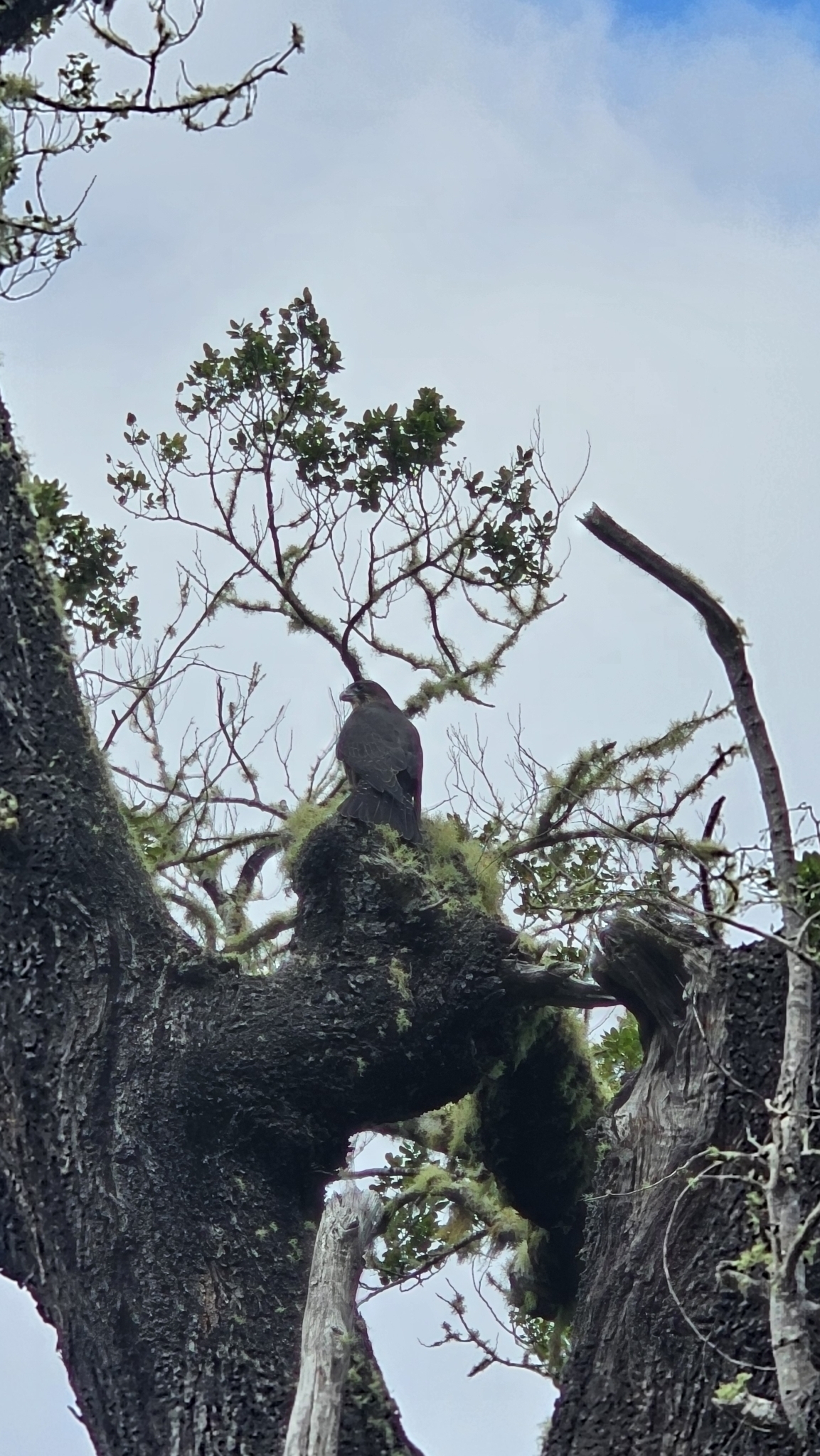
Kārearea have brilliant checkered markings, with a dark brown upperside and pale underparts. The plumage around the legs is a dark orange. Adults have bright yellow legs and skin around the beak and eyes. The male is much smaller than the female, a clear example of sexual dimorphism.
Known for their speed and agility, kārearea hunt small to medium-sized birds on the wing, as well as the many mice in the Sanctuary. They also feed on insects like cicadas and dragonflies. Territorial and solitary outside the breeding season, they defend large hunting ranges and emit loud, sharp cries that echo through forest valleys and ridgelines.
Pairs reunite each spring after spending the winter apart. Courtship often begins with mock attacks and spectacular aerial chases that culminate in a mid-air “pass,” where the male transfers prey to the female by passing between talons. Kārearea nest in simple scrapes on the ground, cliff ledges, or in nest epiphytes in old-growth trees. Clutches of one to four eggs are incubated for around 30 days by both parents. The female broods chicks while the male hunts, delivering food mid-air either foot-to-foot or by dropping it for her to catch. Chicks fledge at 32–45 days and become independent after 75–124 days; juveniles can be identified by their blue-grey legs, which turn yellow as they mature.
Kārearea inhabit a wide range of environments — from forests to alpine slopes and coastal cliffs — across both main islands and some offshore islands. Within the Brook Waimārama Sanctuary, they are often seen patrolling ridgelines and open forest edges, or flying high above the forests with their piercing screech bouncing across the valley.
Classified as At Risk – Recovering, kārearea face threats from introduced predators. With an estimated national population of 5,000–8,000 birds. New Zealand falcons often nest near or on the ground and thus their prey can be highly vulnerable
Resident kārearea pairs regularly breed within the Sanctuary and play an important ecological role as apex avian predators. At the Sanctuary, kārearea are able to successfully nest on the ground year on year, allowing falcons to spill out into the Sanctuary halo.
🪶 Falcons are not closely related to other birds of prey like eagles and hawks, and are more closely related to parrots and songbirds.
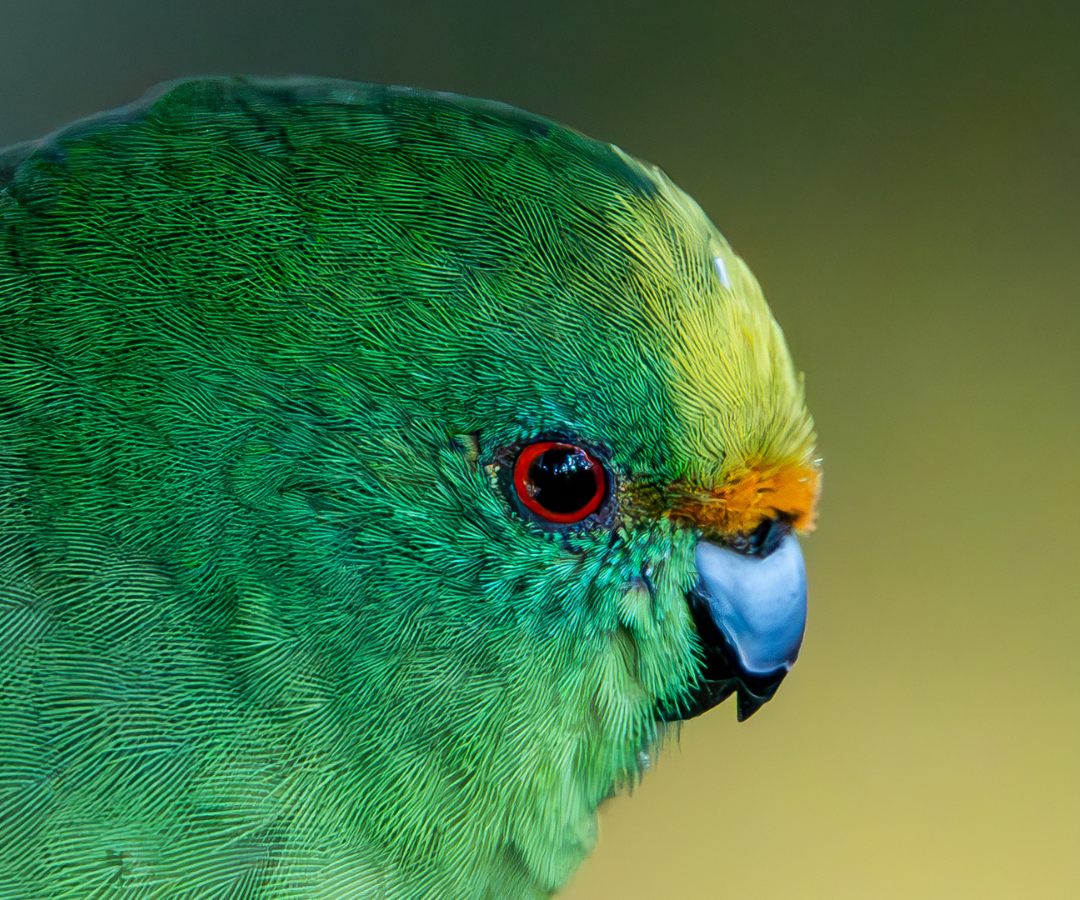
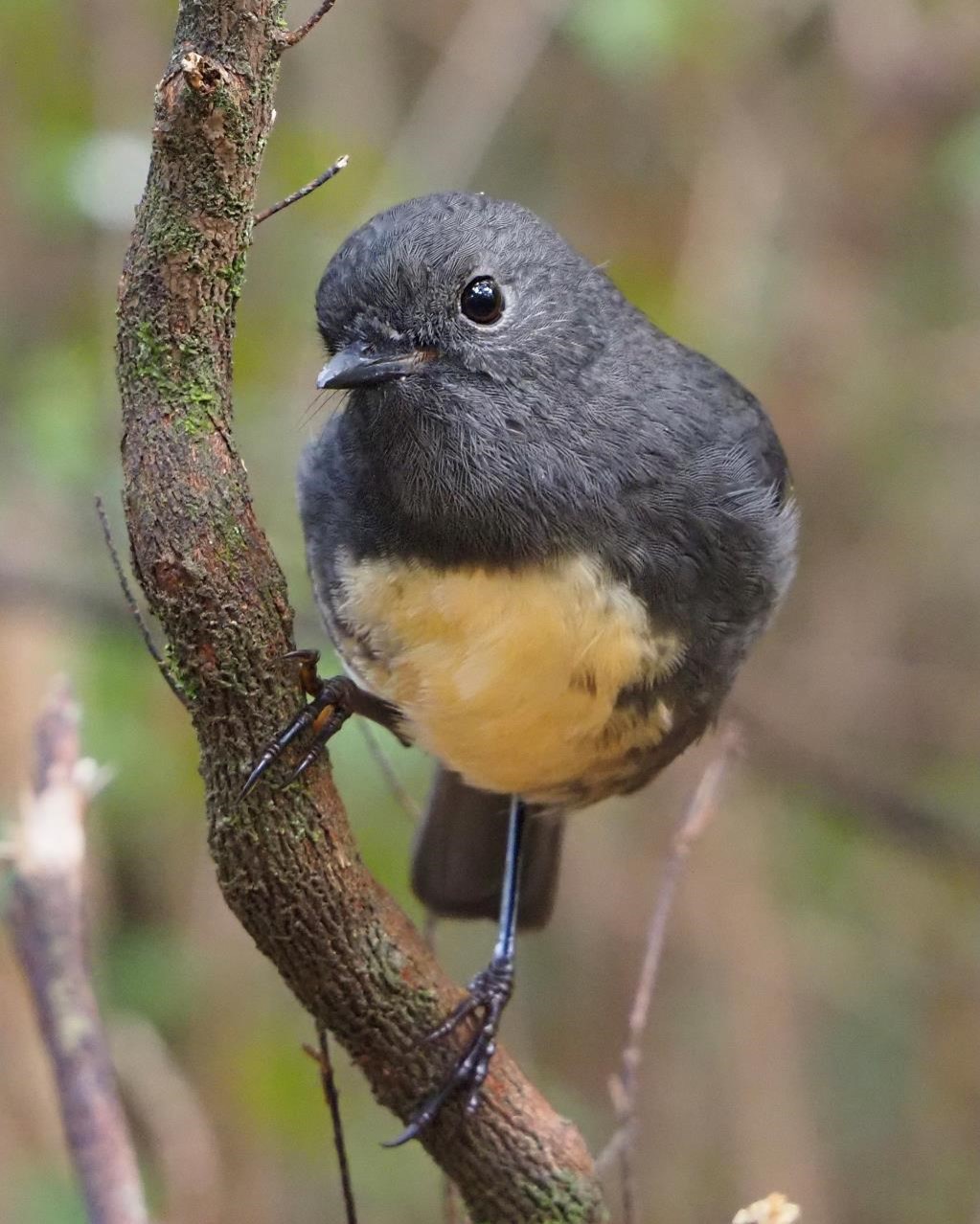
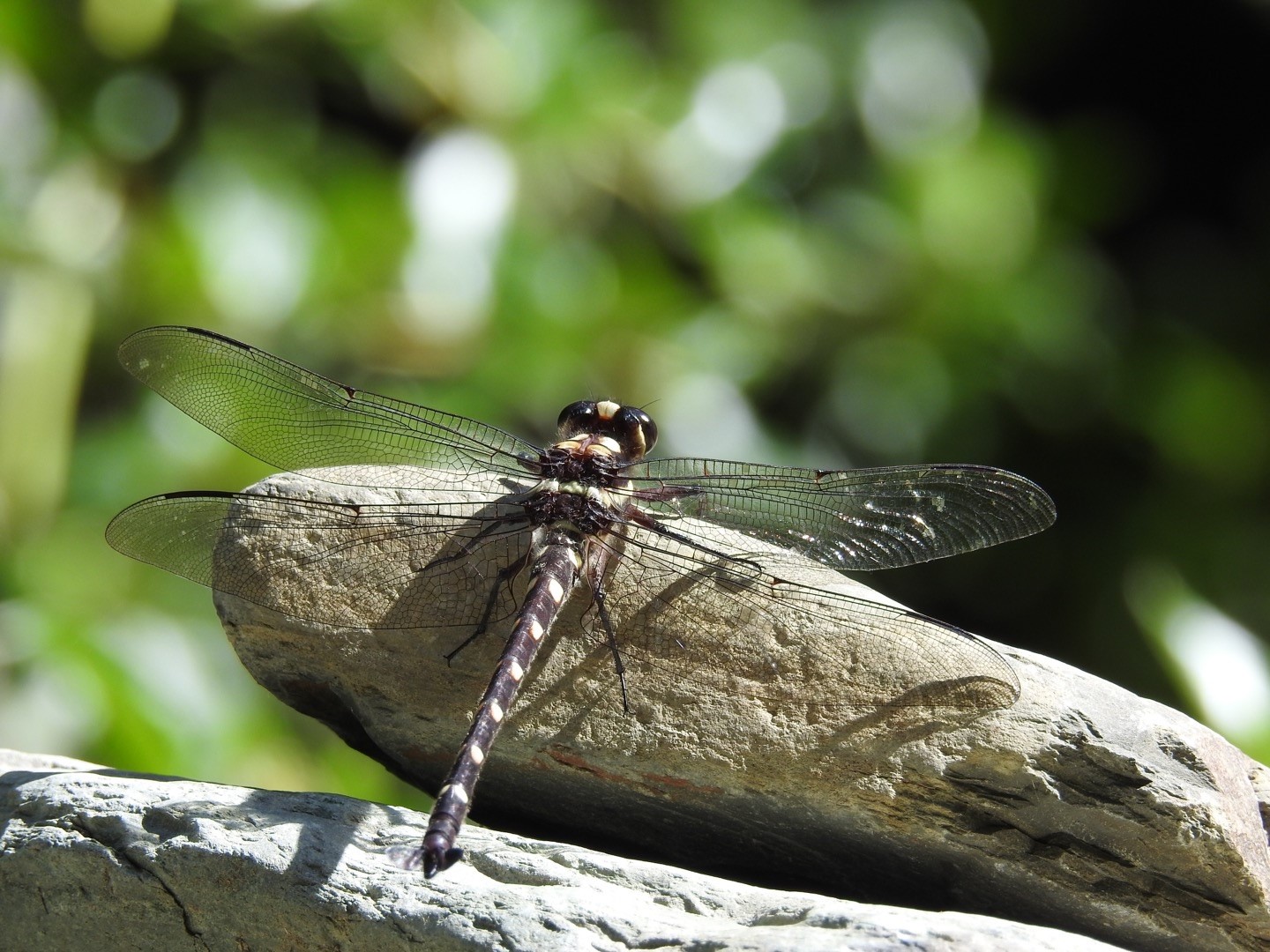
Our other residents
Check out some of the other incredible wildlife that call the Sanctuary home

Follow us on Instagram
@brooksanctuary
Share your photos with #brooksanctuary
Win prizes for your best summer photo at the Sanctuary 📸🏆☀️
This season, we want to see the Sanctuary through your lens — the bright light through the canopy, the textures of the forest floor, and the tiny details that make summer feel alive.
Enter our Summer Photography Competition (part of our Sanctuary Seasons series) and you could win:
🏆 Instant camera (Junior Photography winner)
🌙 Family ticket to a guided night tour
📰 Feature in our newsletter + social media
🖼️ Printed display at the Visitor Centre
📅 Entries close 28 February - Submit your entries via our website: Link in bio
Photo credit: Helen Power - Entry from the spring photography competition
#BrookWaimāramaSanctuary #SanctuarySeasons #Ngahere #NaturePhotography #NZWildlife #NelsonTasman #VisitNelson #NZHikes #EcoTourismNZ #ConservationStorytelling
Feb 4


Looking for a unique and memorable date night? 🌙🌲
This February, we’re introducing Date Me Darling — private, curated date nights inside the Sanctuary at dusk.
Three styled locations. One couple at a time. You’ll have a styled spot along the main loop track, locally sourced food and drinks, a few games to share, and time to slow down together as the forest shifts into evening.
Beech Glade: for when you want the world to fall away — deeply hidden, totally private, just you and the hush of the forest.
River: crystal clear water, canopy above, flickering lights — the kind of setup you usually only see on Instagram.
Meadow: open sky, long grass, and the forest standing quietly at the edges like it knows not to interrupt.
Bookings are open now (limited spaces in February only so don’t miss out!): Link in bio
#DateMeDarling #NelsonNZ #NelsonTasman #ThingsToDoNelson #DateNightIdeas #NatureLovers #SupportLocalNZ #ConservationNZ #BrookWaimāramaSanctuary
Feb 3

Two cute to be true?
Brook Waimārama Sanctuary and @savethekiwinz teams have been busy over the past few days tracking and recapturing kiwi to remove their transmitters. Thanks to a huge team effort, all ten males were recaptured within just three days.
Some nest burrows held a surprise or two — in several cases a female was present, and a couple even contained chicks. One burrow amazed us all, with not one but two adorable chicks 😍
All chicks are fully independent at this stage of the season, and after quick health checks and transmitter removal, all adult kiwi were safely returned to their burrows.
This special footage was captured by kiwi handler Tamsin from Save the Kiwi, who led the transmitter removal mahi.
We estimate the 20 females and 21 males released in May last year have already produced around 10–15 kiwi pukupuku (little spotted kiwi) chicks in their very first breeding season — a strong sign the habitat is just right.
With transmitters now removed from all ten males, the kiwi are completely free, with no further handling needed. Annual kiwi call counts by staff and volunteers will help track the growing population across our 690 ha, ring-fenced, pest-free sanctuary.
Credit: Video courtesy of Tamsin Ward-Smith, Save the Kiwi
Thanks to our partnership with @terunangaotoa Ngati Toa and Save the Kiwi
#kiwipukupuku #littlespottedkiwi #brookwaimaramasanctuary #nelson #thetopofthesouth #conservation #biodiversity #nativebirds #natureloversnz #newzealandwildlife #pestfree #ringfencedsanctuary #conservationinaction
Jan 29

🎻 45 min string quartet concert at Brook Waimārama Sanctuary
Come and hear a dynamic young string quartet perform a 45 min concert at Brook Waimārama Sanctuary. We welcome everyone to come along, and bring anyone you think might be curious to hear some classical music in a relaxed environment.
The @antipodes.quartet is part of the Fellowship Ensemble Programme, a joint venture between the @adamchambermusicfestival, @newzealandstringquartet and @chambermusicnz, as a career-development experience offered to four of this country’s most promising young string players.
The Antipodes Quartet are Eden Annesley (violin), Mana Waiariki (violin), Tal Amoore (viola) and Lavinnia Rae (cello).
On this occasion, Brook Waimārama Sanctuary are welcoming everyone at local prices: Adult $15, Child $9; Family $35 (on the door)
Find out more: (Link in bio)
#BrookWaimāramaSanctuary #NelsonNZ #Whakatū #WhatsonNelson #NelsonTasman #LiveMusicNZ #ChamberMusicNZ #StringQuartet #ClassicalMusicNZ #AdamChamberMusicFestival #NewZealandStringQuartet #ChamberMusicNewZealand #FamilyFriendly #NatureAndCulture #SupportLocalArts
Jan 27

2026 Bug of the year is here!
The lesser known cousin to bird of the year has come around(wait till they hear about fish or fungus of the year). This showdown aims to highlight the critters that go underappreciated compared to celebrity species like kākāpō. We would like to highlight the strange and wonderful species that occur within the Sanctuary, with the hopes to earn your vote!
Kahuwai | Black Tunnelweb Spider
Porrhothele antipodiana
I have a mixed history with this incredible spider. One hairy individual decided that my jersey pocket was a great place to set up shop. It received a rude awakening upon the home invasion of my unaware hand. Its brilliant fangs pierced and invenomated my finger, and despite the swelling and the shock and the pain… I couldn’t help but feel bad for evicting the guy. Its hobbit-like hole dwelling nature led the spider to my soft, warm pocket. Ironically, but not surprisingly, this species was the inspiration for Peter Jackson’s ‘Shelob’ in the Lord of the Rings films.
Kahuwai, the black tunnelweb spider, forms dense sheets of silk surrounding their tunnels. These sheets are monitored by the spider, who detects vibrations of a passer by. Wētā, land hoppers and any other unlucky invertebrate. The kahuwai swiftly grabs its prey and drags it into the depths. This spider however is also the victim of the endemic golden hunter wasp, who paralyses the spider before dragging it into the wasp’s nest (talk about shoes on the other foot!) and laying an egg beside it. The spider then becomes baby formula.
Despite the bite, this amazing spider has my vote! Check out the New Zealand Bug Of the Year 2026 website! Voting closes on the 16th of February!
Photo: @henry._.hart (in the second image of Shelob`s lair you can see a giant pill millipede has fallen victim...)
#BrookWaimāramaSanctuary #BugOfTheYear
Jan 25

2026 Bug of the year is here!
The lesser known cousin to bird of the year has come around(wait till they hear about fish or fungus of the year). This showdown aims to highlight the critters that go underappreciated compared to celebrity species like kākāpō. We would like to highlight the strange and wonderful species that occur within the Sanctuary, with the hopes to earn your vote!
This candidate is the beautifully disguised Rō, the Two-Spined Stick Insect. Micrachus hystriculeus is endemic to central Aotearoa, most common from Nelson, through Marlborough and Wellington. Stick insects display a classic example of crypsis. That is, their behaviour and physiology work in tandem to remain completely undetected and unharmed. They feed on leaves high in the canopy of trees like kānuka. At night you can often spot them, usually with the small males riding on the backs of the much larger females.
All modern New Zealand stick insects are the relatives of two colonisation events from New Caledonia around 30 million years ago. They radiated into nine separate genera and dispersed into coastal, lowland and subalpine ecosystems throughout the motu. This species, alongside at least five other stick insect species, live out their slow and sticky lives within the Brook Waimārama Sanctuary.
Will you vote for Micrachus hystriculeus? Check out the New Zealand Bug Of the Year 2026 website! Voting closes on the 16th of February!
Stay tuned for our last candidate…
Photo: Saryu Mae - @invertebratist
#BrookWaimāramaSanctuary #BugOfTheYear
Jan 24
