
Renew your Sanctuary Subscription
Thanks for your continued support!
Being a current member of the Brook Waimārama Sanctuary means you’re directly supporting the protection and restoration of native wildlife while enjoying year-round access to one of the South Island’s most unique conservation landscapes.
Membership benefits include:
- Unlimited Sanctuary entry* — visit as often as you like to walk, explore, and reconnect with nature.
- Priority access to events and experiences — from guided tours to seasonal activities and expert talks.
- Monthly Fan Tales newsletter – our avidly read monthly newsletter sent out to over 5000 people all over the world
- Support for conservation action — your membership funds weed and pest control, habitat restoration, and species reintroduction programs.
- Connection to the Sanctuary community — invitations to member briefings, behind-the-scenes updates, and impact reports.
Becoming a member is more than a ticket — it’s a commitment to sustaining native forest, wildlife, and a legacy that future generations can enjoy.
*during standard opening days and times
Note: all supporter subscriptions are NON-TRANSFERABLE and NON-REFUNDABLE.
Membership Options
Alternatively, you can pay via online banking to:
BROOK WAIMĀRAMA SANCTUARY:
NBS 03-1354-0561993-00
PLEASE INCLUDE YOUR SUPPORTER ID so that payment can be matched to you.
Why membership matters
Over 4,000 native species are currently classified as threatened or at risk of extinction, including more than 80 % of native birds and reptiles, largely due to introduced predators and habitat loss. In the wild, an estimated 25 million native birds are killed each year by pests such as rats, stoats, possums and hedgehogs.
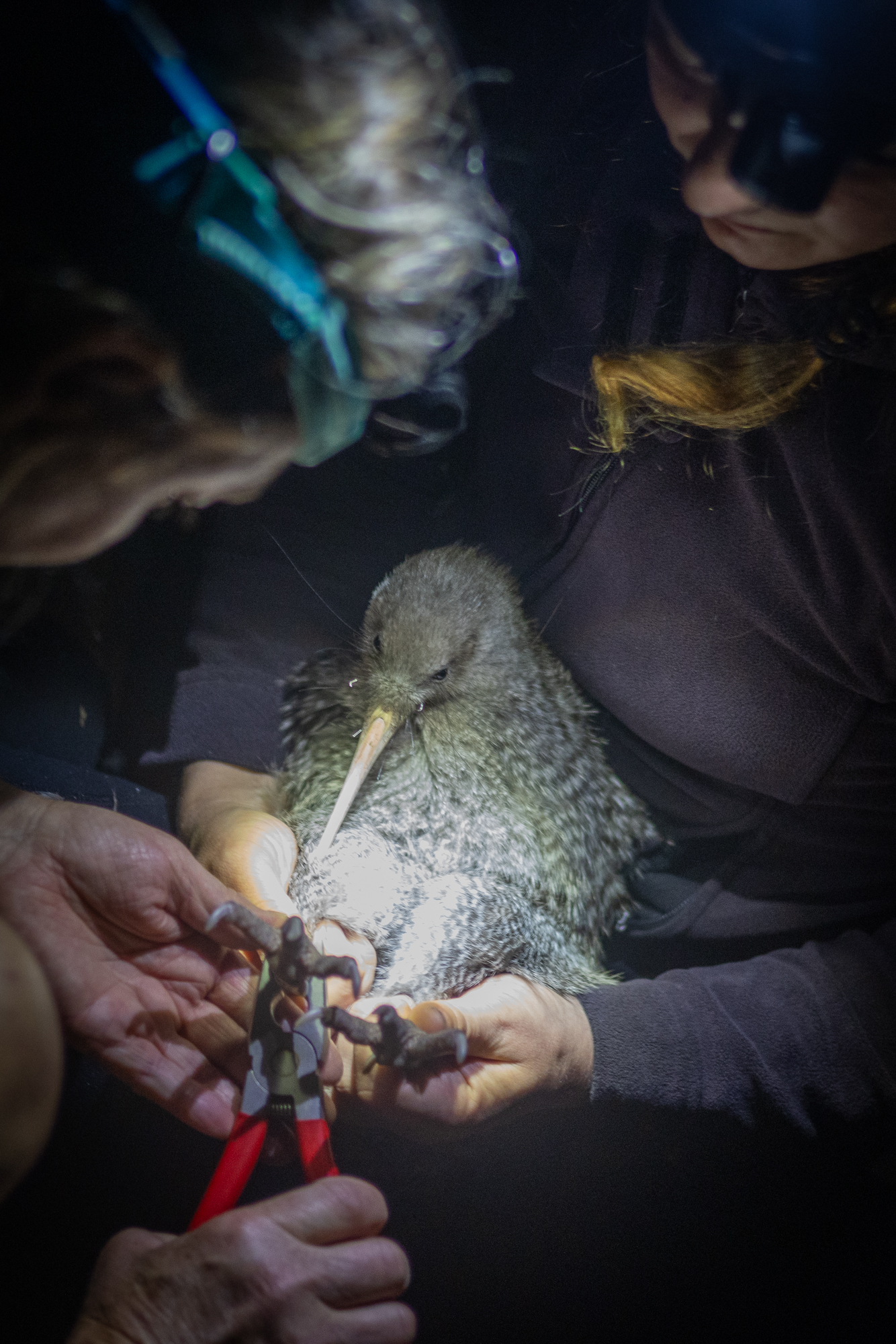
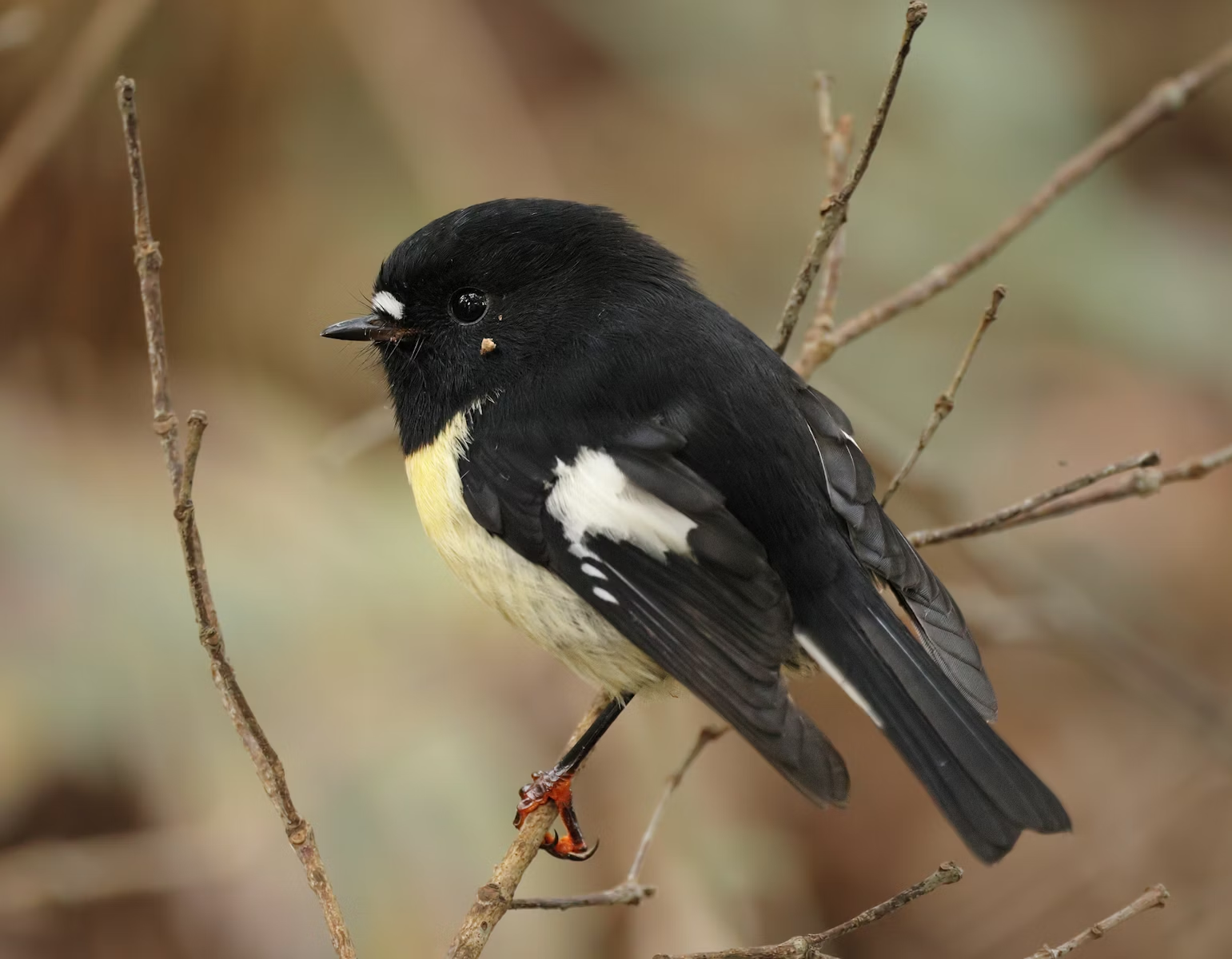
Predator-free sanctuaries like the Brook Waimārama Sanctuary create rare safe havens for our precious native species. Removing predators and maintaining strict biosecurity allows threatened animals, from kākāriki karaka and kiwi to forest reptiles and invertebrates, to recover and thrive.
Your membership directly supports this work — funding pest control, habitat restoration, ongoing monitoring, educational programs, and the long-term protection of native species.