Why Sanctuaries Matter
Why Sanctuaries Matter
Over 4000 of New Zealand’s native species are currently classified as threatened or at risk of extinction, with alarmingly high percentages in specific groups like reptiles (94%), birds (82%), and freshwater fish (76%), largely due to invasive predators, habitat loss, and climate change, making New Zealand a global hotspot for biodiversity threat.
Before human arrival, New Zealand’s primary predators were birds, such as raptors. As a result, many native birds evolved to nest on or near the ground, relying on dense forest cover rather than flight to avoid danger. This strategy proved highly effective — until the introduction of mammals.
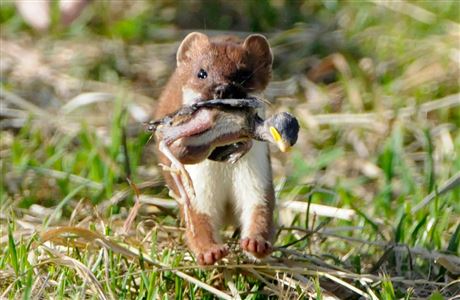
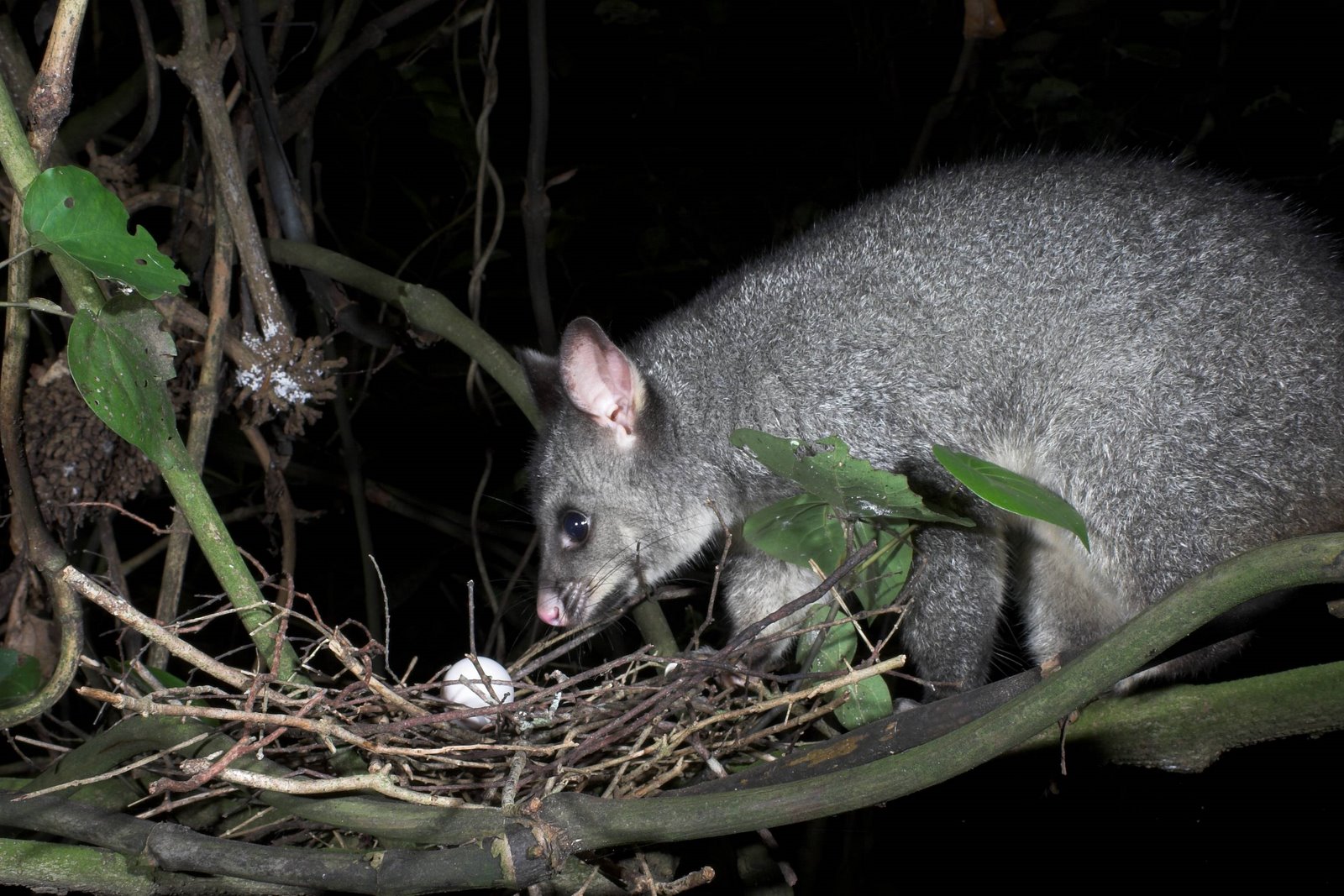
With human settlement and long-distance travel, species such as rats, mice, stoats, weasels, ferrets, possums, hedgehogs, rabbits, and others were introduced — sometimes intentionally, sometimes accidentally. These animals adapted quickly to New Zealand’s temperate climate and abundant food sources, placing enormous pressure on native wildlife through predation and habitat competition.
It is estimated that around 25 million native birds are killed each year by introduced predators. Without intervention, many species are unable to recover or re-establish healthy populations.
Predator-free sanctuaries provide a proven solution. By removing introduced predators and preventing their return, sanctuaries create safe environments where native species can breed, grow, and re-establish natural behaviours. Recognising this, the New Zealand Government adopted Predator Free 2050 as a national conservation goal in 2016, aiming to restore biodiversity at scale.
At the Brook Waimārama Sanctuary, biosecurity is a top priority. The predator-resistant fence provides a physical barrier that supports intensive pest control and long-term protection. While no system is entirely risk-free, the fence significantly reduces reinvasion and allows rapid response when incursions occur.
The Sanctuary operates under a comprehensive biosecurity plan, which includes monitoring, coordinated response protocols, and close collaboration with the Department of Conservation. Community awareness and education are also critical — protecting the Sanctuary requires shared understanding of why biosecurity matters and how individual actions can help safeguard past and ongoing conservation investment.
Biosecurity is a 24/7 responsibility, underpinning every aspect of Sanctuary operations.
Predator-resistant fencing represents a significant initial investment, but it enables more effective, long-term conservation outcomes than ongoing pest control alone. By combining fencing, monitoring, and community engagement, mainland sanctuaries like the Brook provide rare opportunities for endangered species to recover in environments that closely resemble how New Zealand’s forests functioned before introduced predators arrived.
For more information, learn about the goal to become Predator Free by 2050.