
Kahukura
Red Admiral Butterfly
Vanessa gonerilla

Their Story
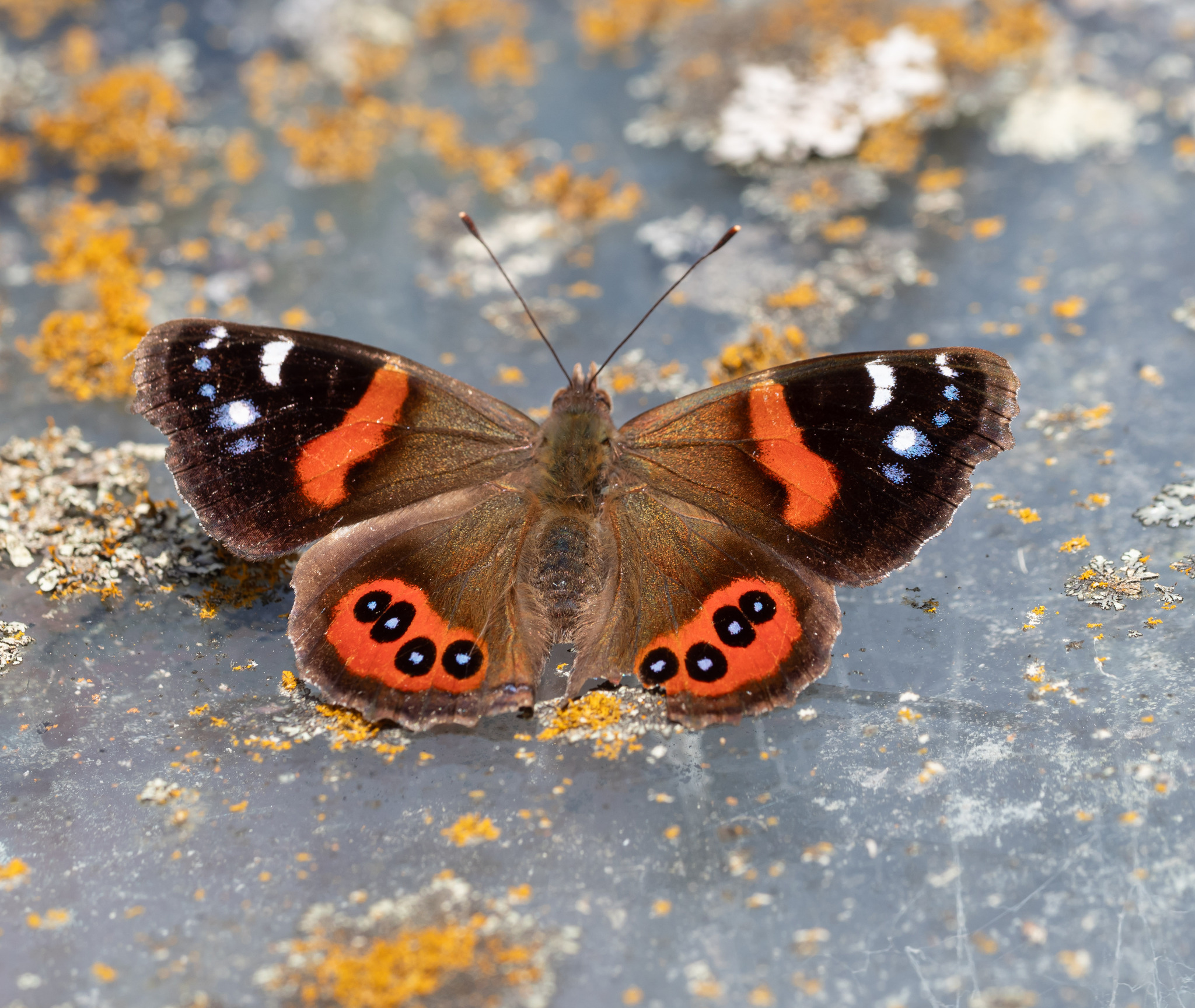
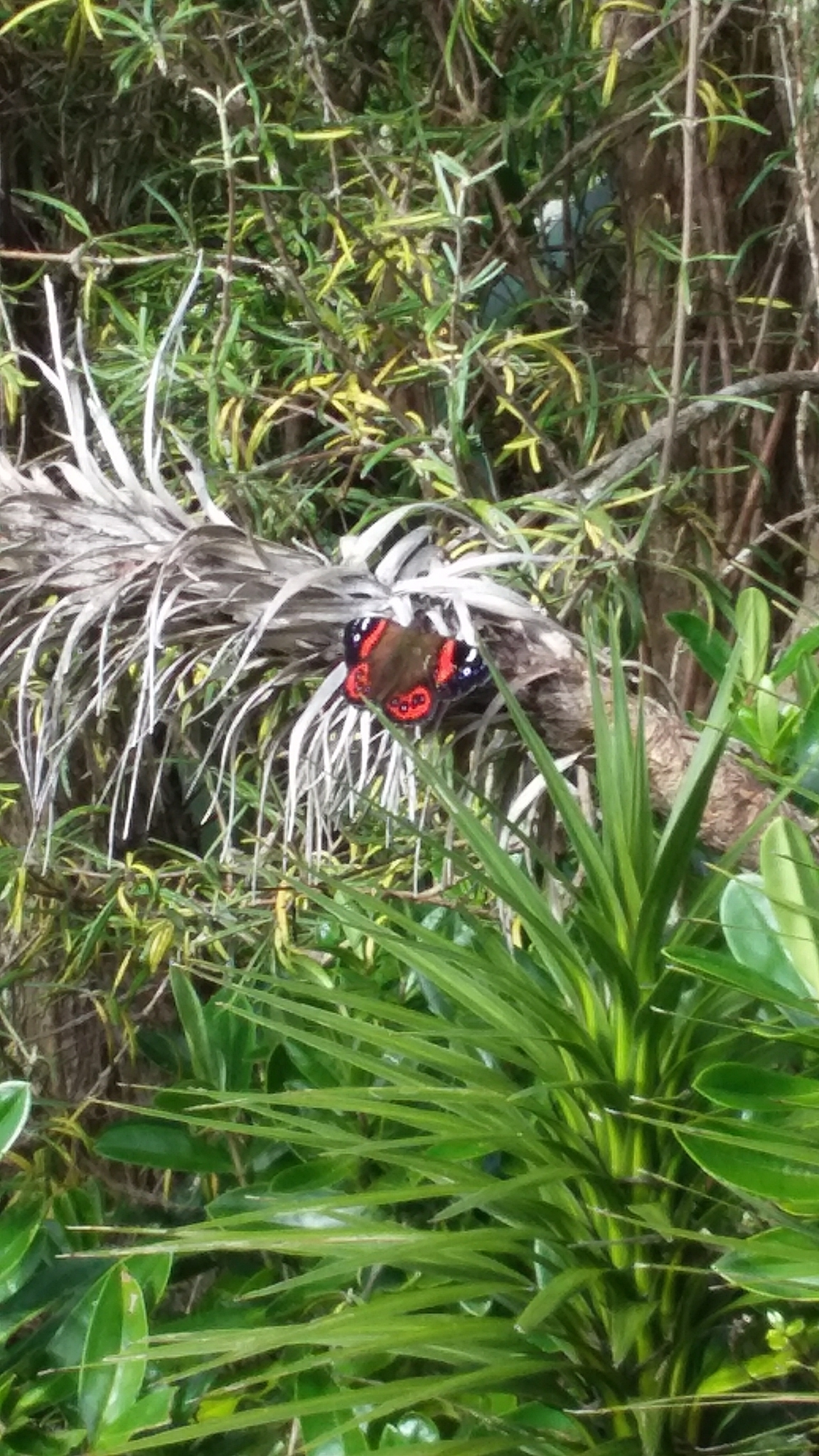
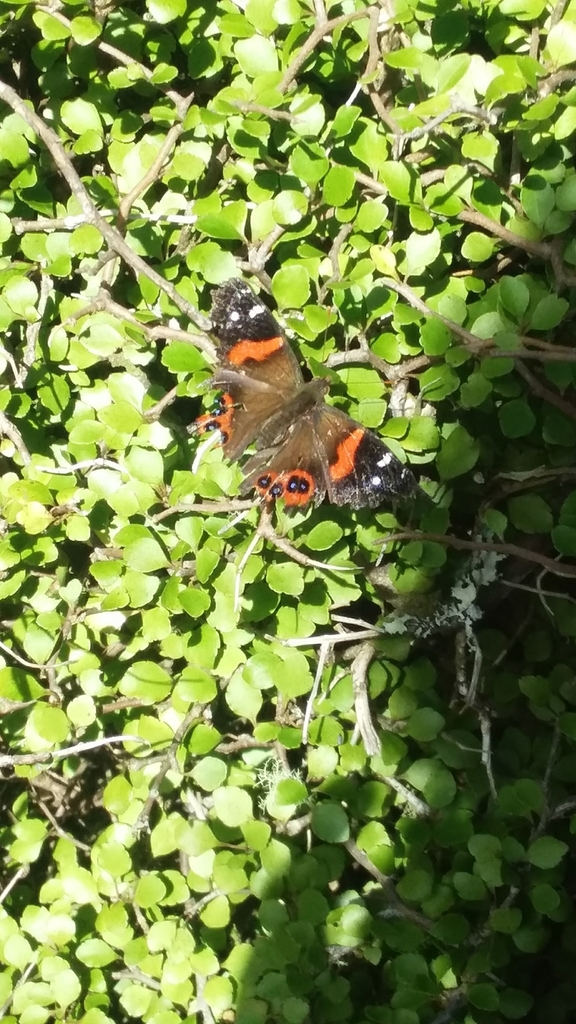
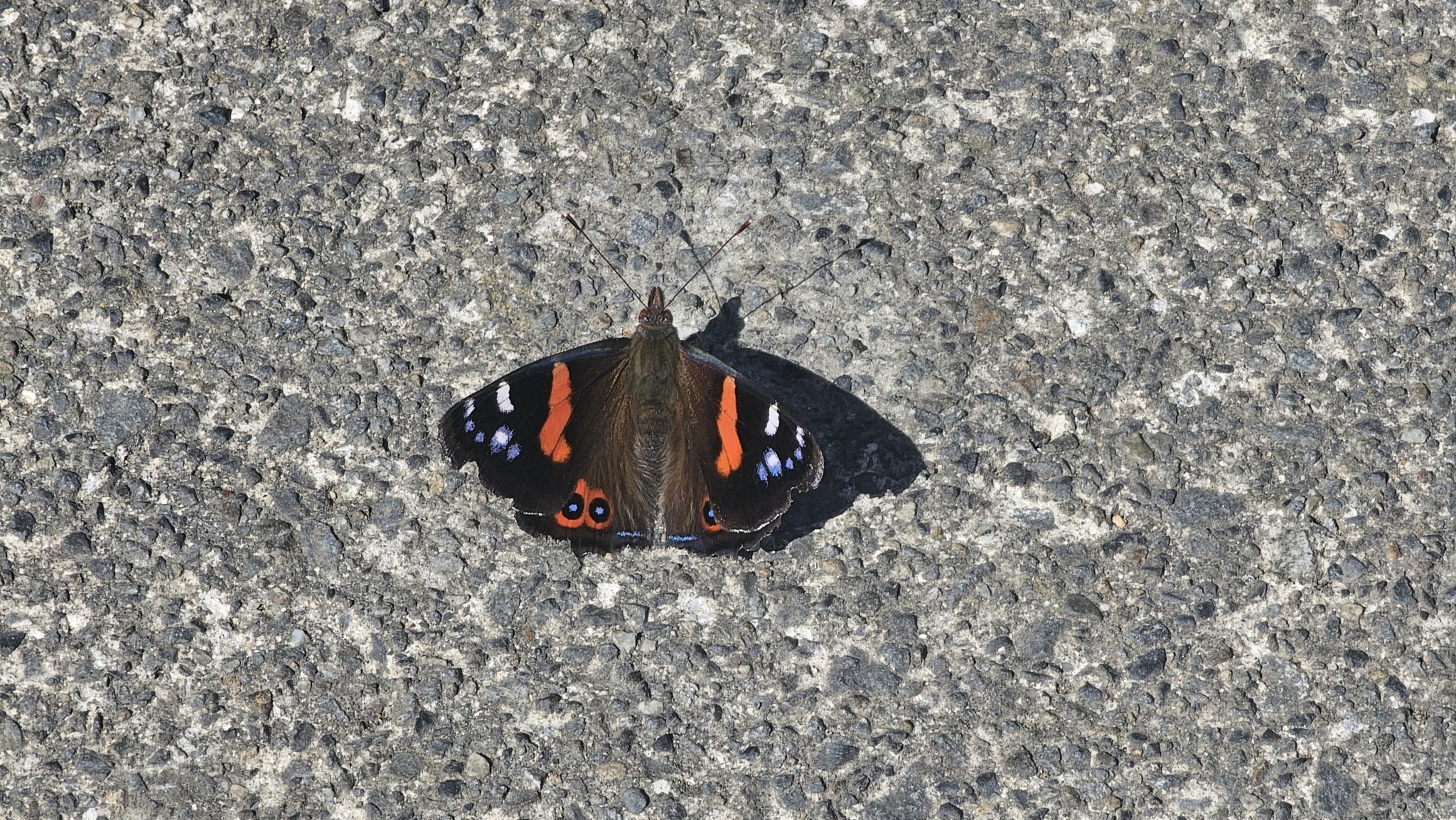
Kahukura (red admiral butterfly) is an endemic insect of Aotearoa — bold, beautiful and symbolic. Its bright red “cloak”-like markings give it its Māori name, and it once fluttered widely through New Zealand’s forests and gardens. Within Brook Waimārama Sanctuary, this rare butterfly serves as a visible reminder of ecological restoration and the importance of native host-plants and habitat. brooksanctuary.org.nz+1
Conservation Status

While the butterfly is relatively common in some areas, the general consensus is that population numbers have been slowly declining over the past 100 years.
Population

Endemic to New Zealand, kahukura are found wherever suitable food-plants and nectar sources exist: forests, scrub, gardens and parklands. Though once widespread, they have declined in some regions. At Brook Waimārama Sanctuary, they highlight the value of native vegetation, host-plants and a predator-smart ecosystem.
Food

Adults feed primarily on nectar from native plants such as hebe and lacebark (houhere), and occasionally on sap. The caterpillars feed on native nettles — especially Urtica ferox (ongaonga) or the exotic nettle Urtica incisa — often in a folded-leaf “tent”.
The red admiral has a wingspan of approximately 50-60 mm. Its forewings are mostly dark brown/black with a prominent red bar, white spots near the tips and red patches with blue “eyes” on the hind wings. Underneath the wings it is mottled brown, giving camouflage when at rest. Wikipedia+1
Adults feed primarily on nectar from native plants such as hebe and lacebark (houhere), and occasionally on sap. The caterpillars feed on native nettles — especially Urtica ferox (ongaonga) or the exotic nettle Urtica incisa — often in a folded-leaf “tent”. brooksanctuary.org.nz+1
Eggs are laid singly on nettle leaves; caterpillars progress through five instars, building protective leaf-tents. After 4-6 weeks they pupate for 2-3 weeks and emerge as adult butterflies. Some early-season individuals live 4-6 months; those that overwinter may live up to ~9 months. brooksanctuary.org.nz
Endemic to New Zealand, kahukura are found wherever suitable food-plants and nectar sources exist: forests, scrub, gardens and parklands. Though once widespread, they have declined in some regions. At Brook Waimārama Sanctuary, they highlight the value of native vegetation, host-plants and a predator-smart ecosystem. aucklandzoo.co.nz+1
Threats include loss of native nettles and host-plants, predation by introduced insects/wasps, habitat modification, and insecticide use. As an endemic species their long-term welfare depends on restoring plant communities and reducing invasive predators. nzbutterflies.org.nz+1
Within the Sanctuary, kahukura serve as a “flagship invertebrate” — visible evidence that restoring forest structure, host-plant communities and safe insect habitat supports more than birds. Visitors may spot them flitting among flowering shrubs and please lookout for nettles (ongaonga) as host-plant zones.
🪶 The Māori name kahukura translates as “red cloak”, a reference to the striking red band across the butterfly’s wings.
Our other residents
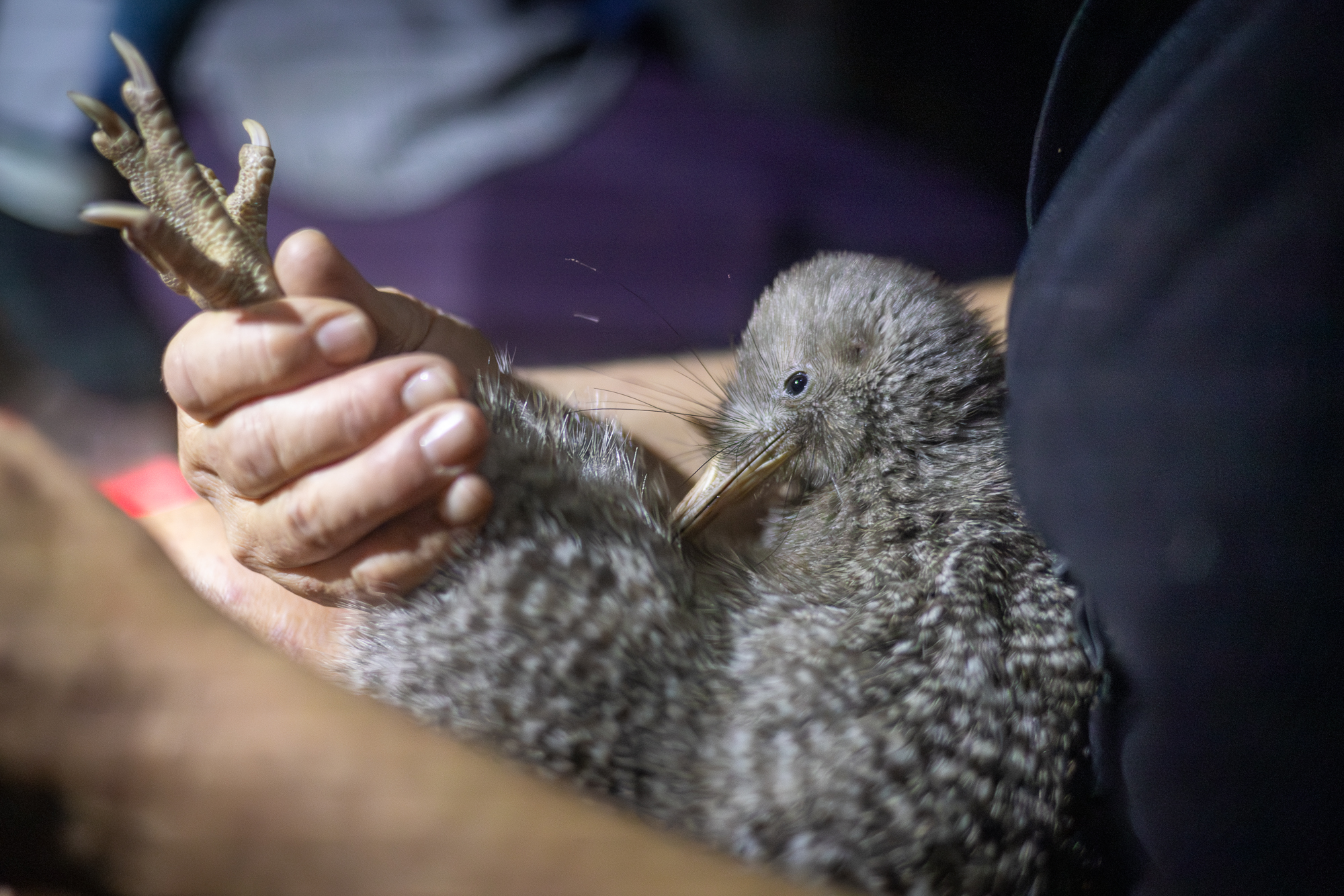
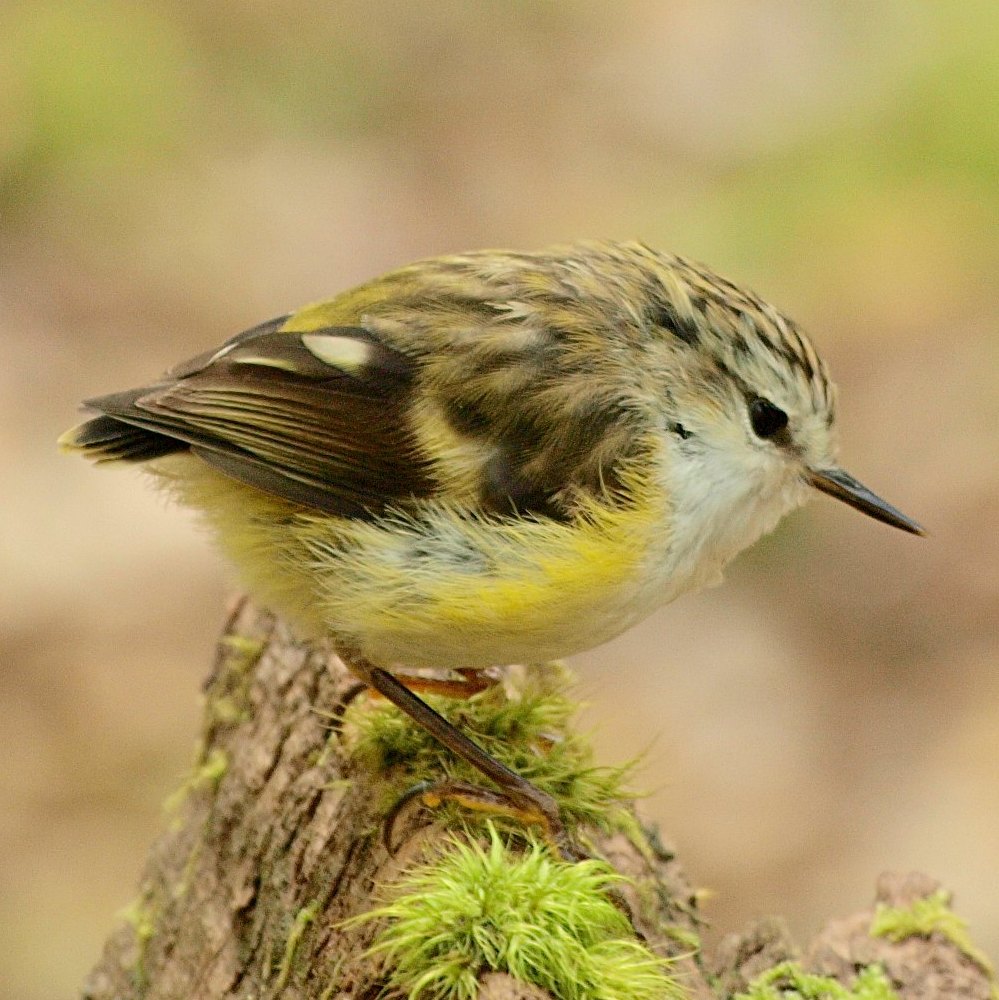
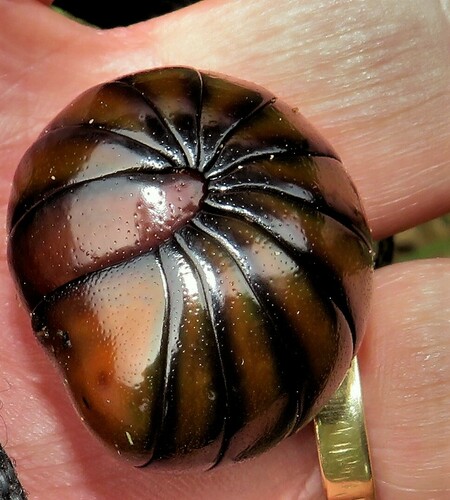
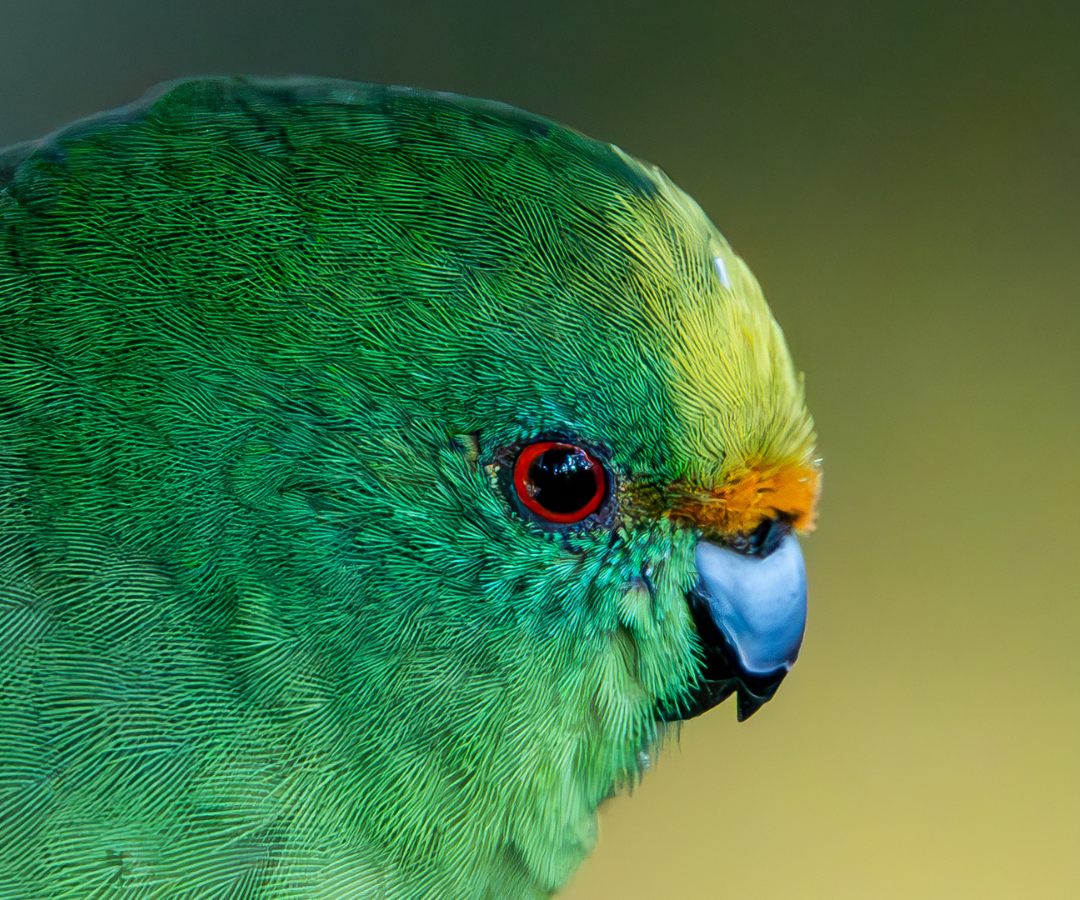
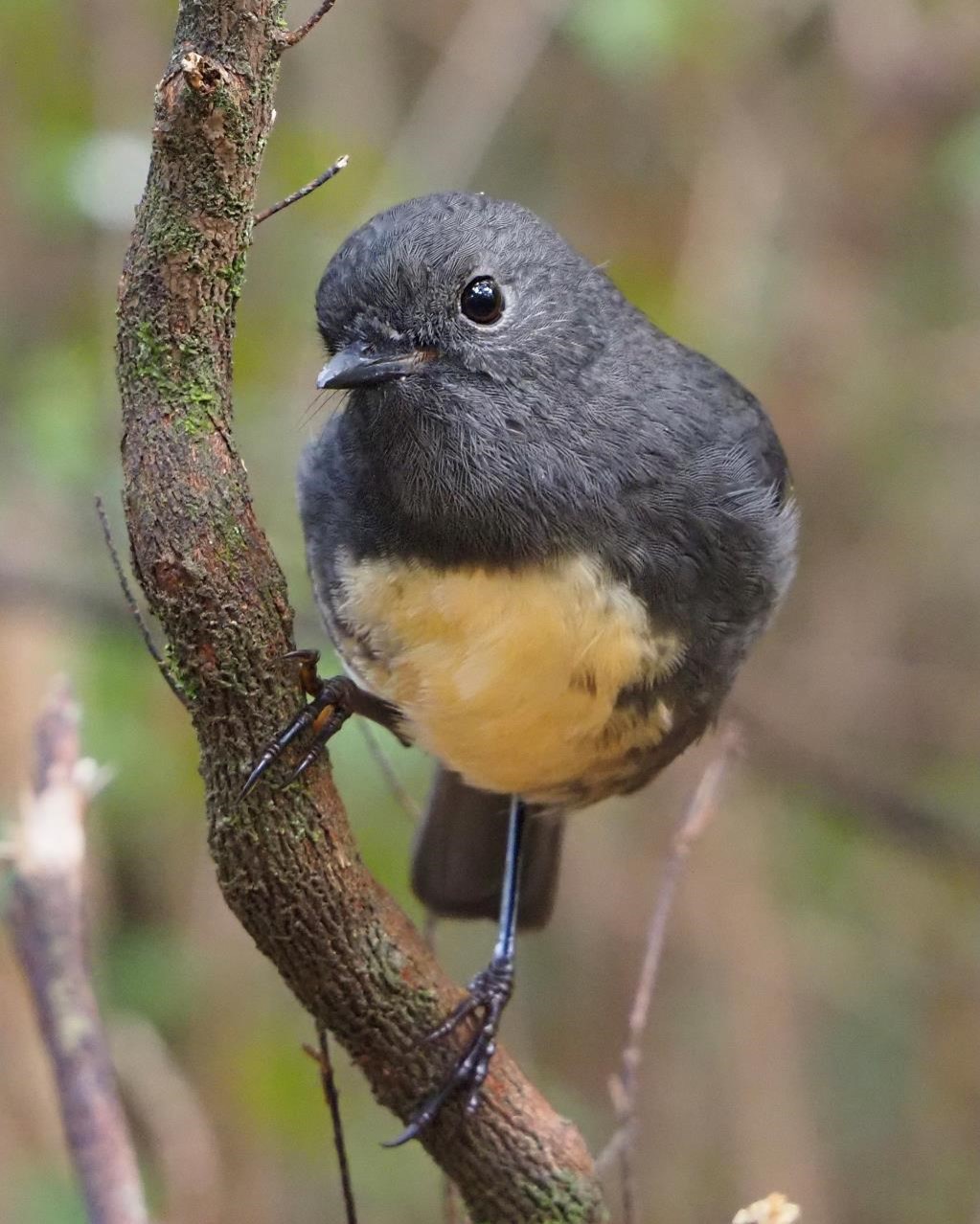
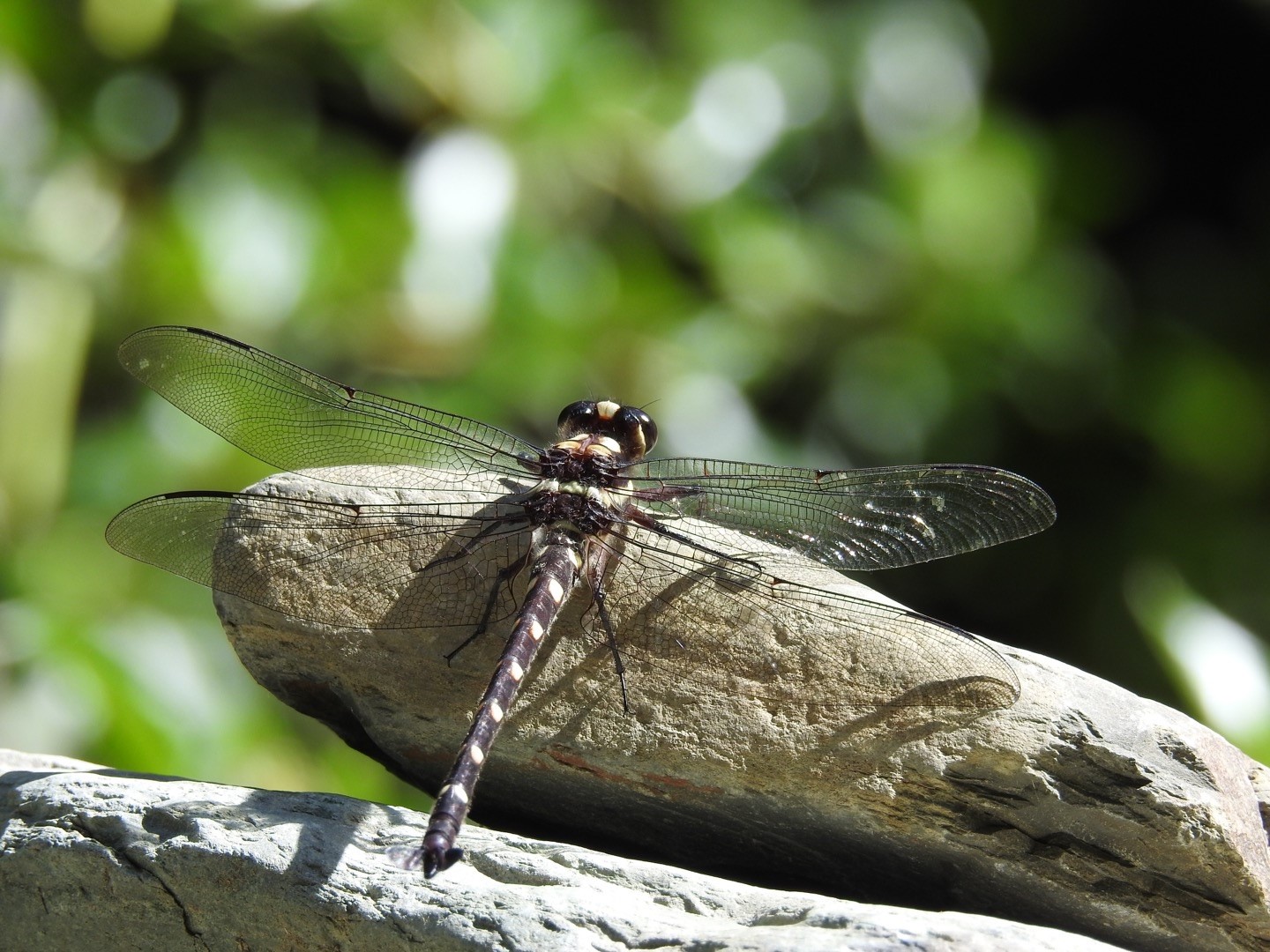
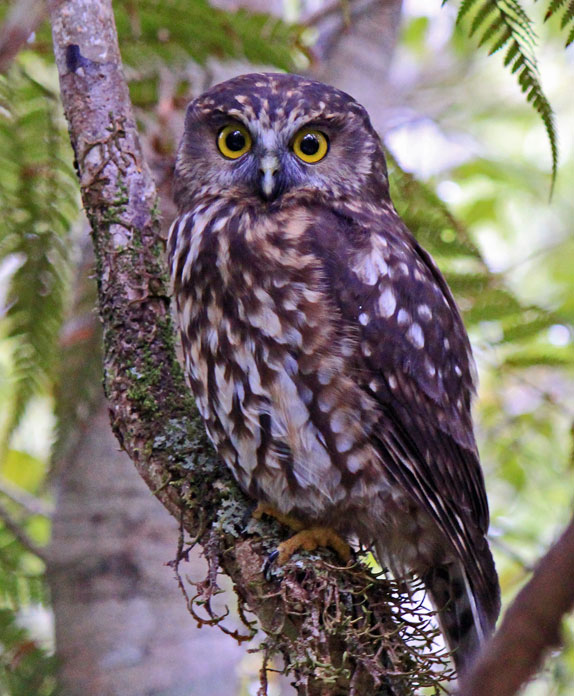
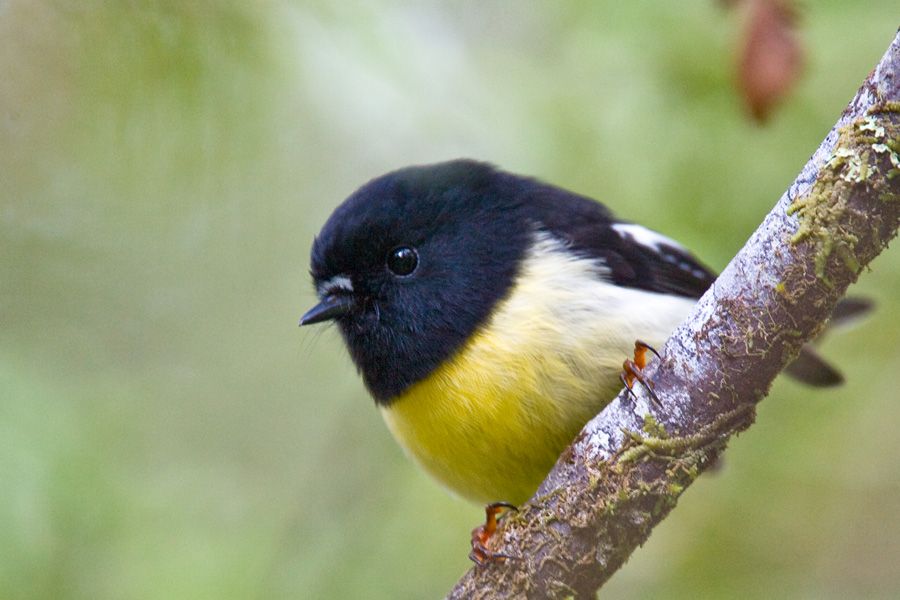
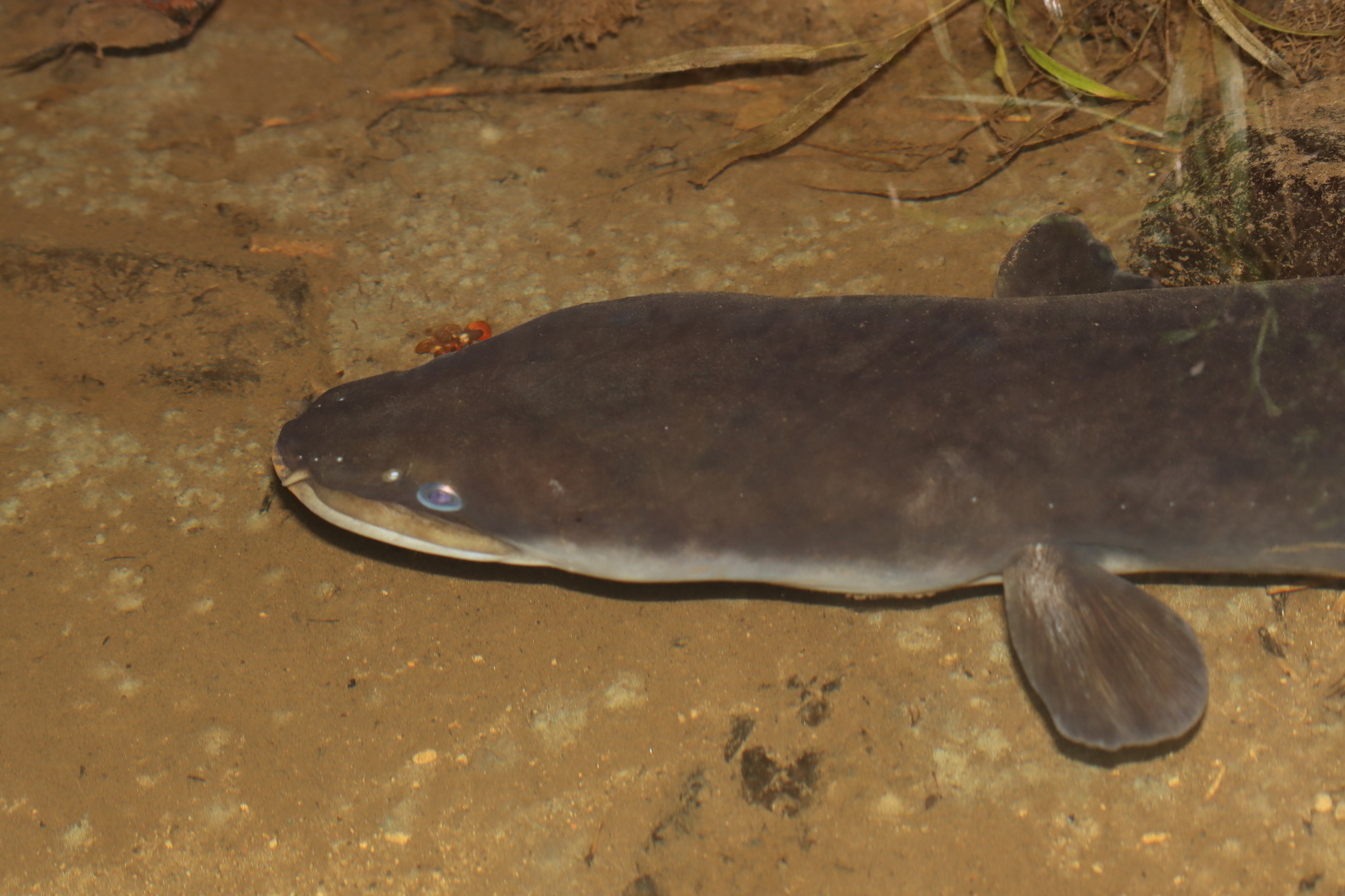
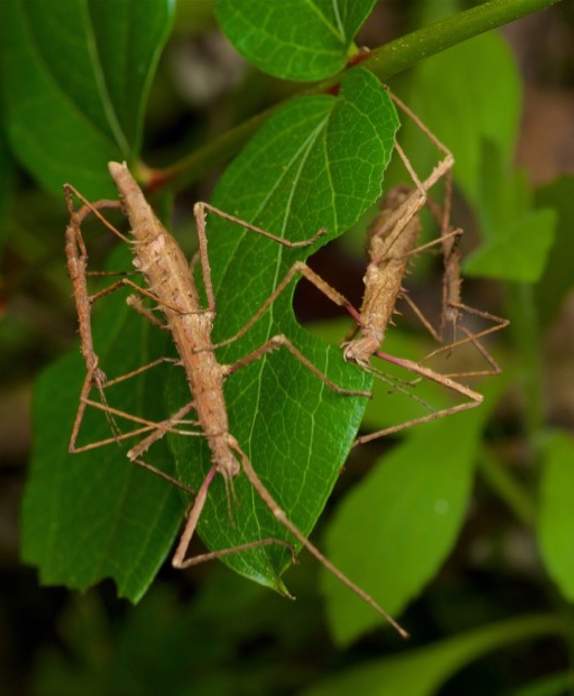
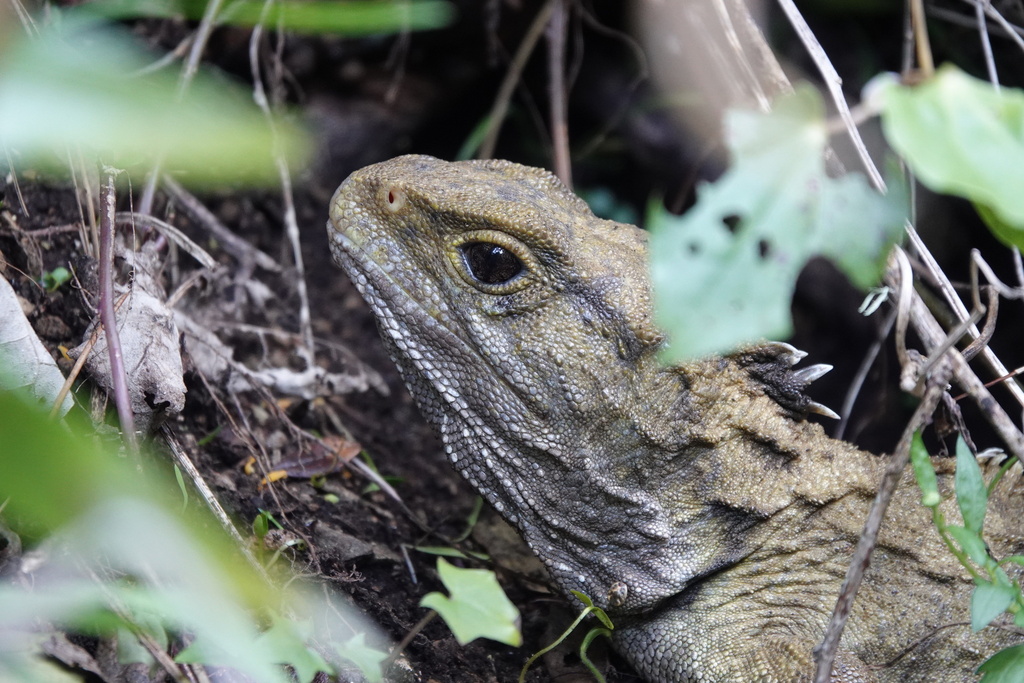
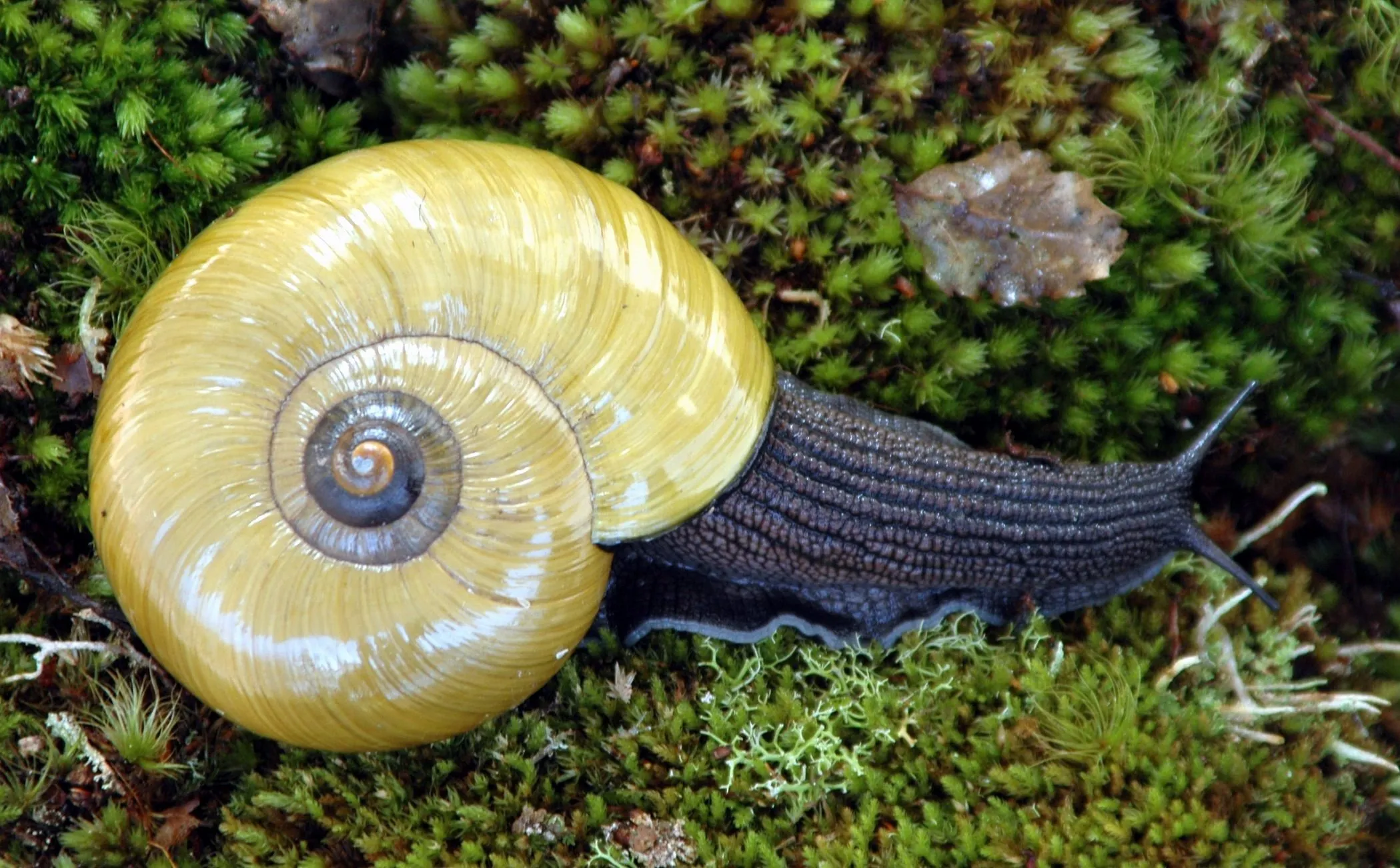
Check out some of the other incredible wildlife that call the Sanctuary home




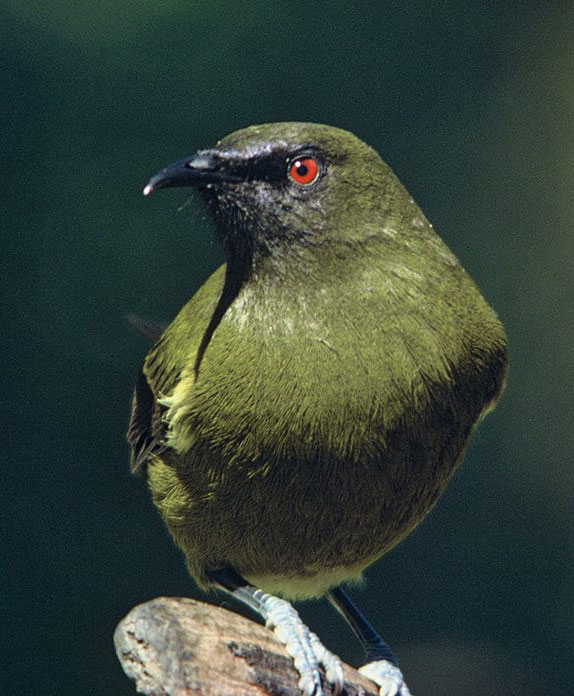
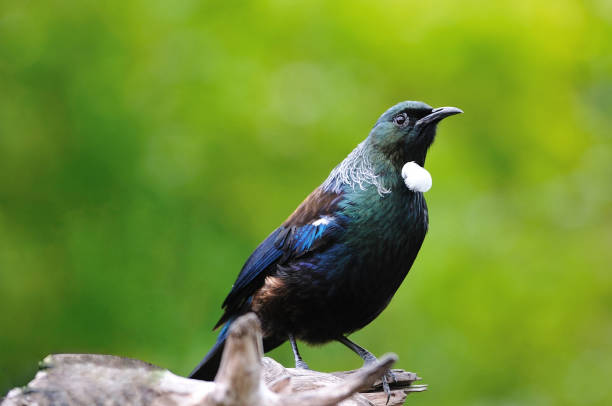
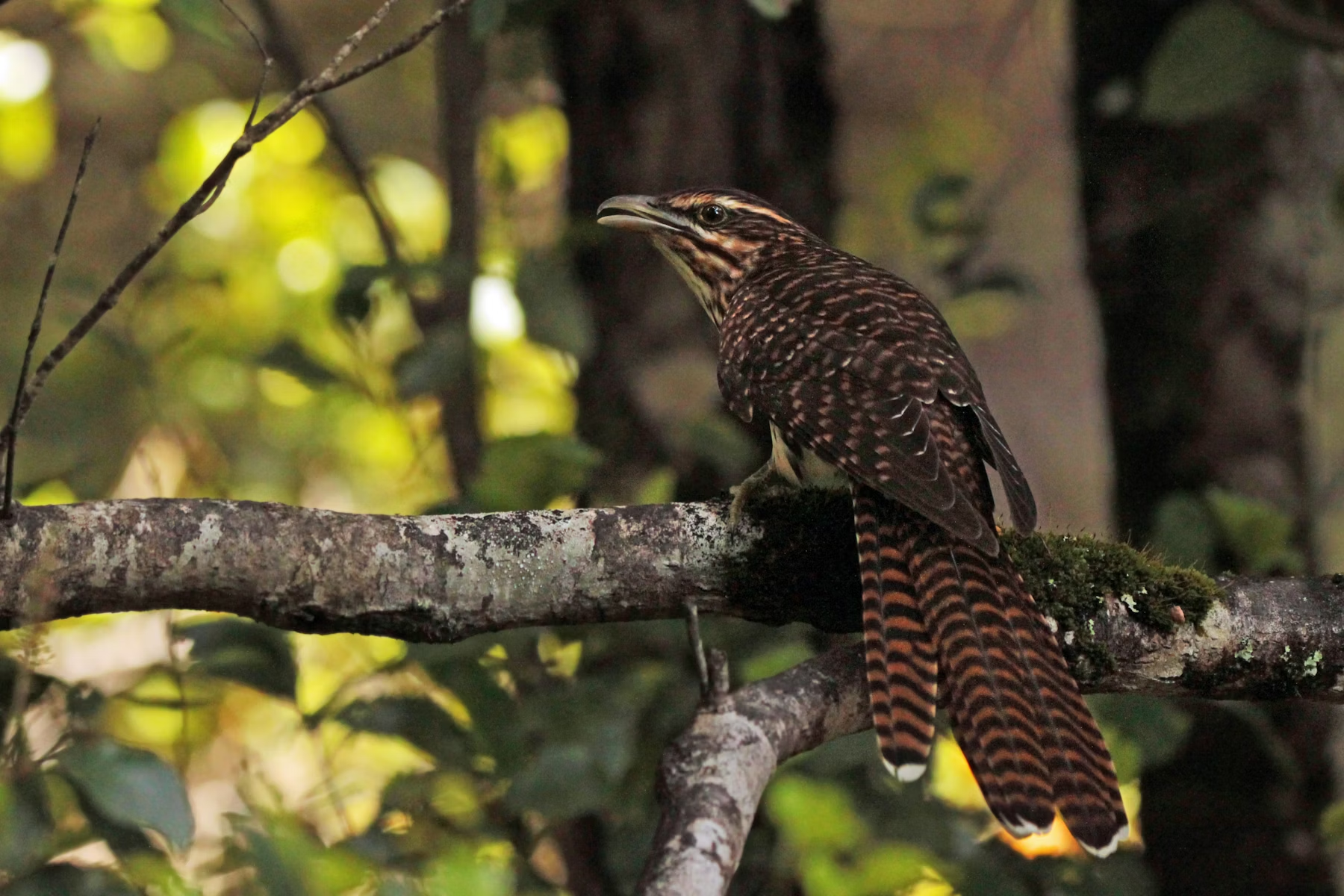

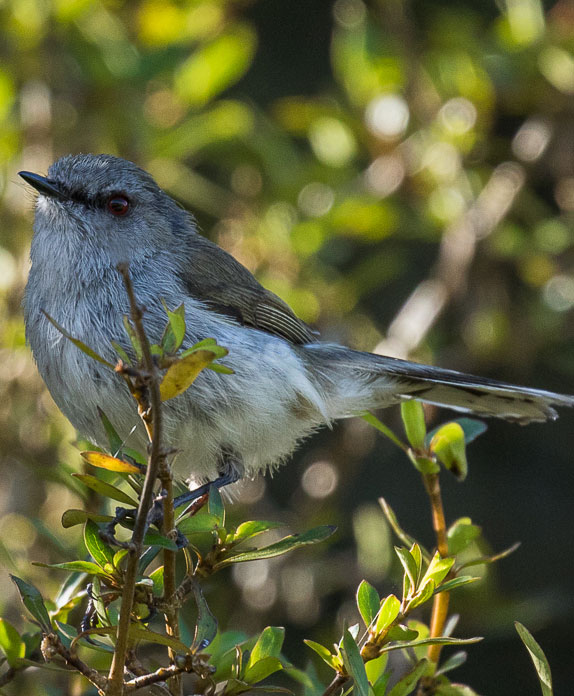



Follow us on Instagram
@brooksanctuary
Share your photos with #brooksanctuary
🪶 Ngahere Neighbourhood: piriwai (spiny gilled mayfly)
Tiny, ancient, and found only in Aotearoa — the spiny gilled mayfly (Coloburiscus humeralis) spends up to four years underwater before living just a few days as an adult.
Piriwai can only survive in clean, fast-flowing streams. Its larvae cling to river rocks, filtering food from the water with tiny hair-like gills. They are an important sign of healthy freshwater ecosystems, so much so that this species gets a rating of 8-9 on the sensitivity/stream health rating. All native stream macroinvertebrates are ranked in terms of their sensitivity and used as a bioindicator of stream health.
The Sanctuary stream is a reference site for stream health and represents a `pure`, unadulterated site and thus is highly diverse in sensitive stream invertebrates.
📸 Photo: Taken by Henry Hart here at the Sanctuary
#NgahereNeighbourhood #BrookSanctuary #AotearoaNature #FreshwaterLife #NelsonTasman #Conservation #Piriwai
Feb 17


Their Raucous Call Returns: Kākā Set to Reclaim the Brook Waimārama Sanctuary. 🦜
This March, we’re scheduled to welcome two male and one female kākā fledglings from the Dunedin Botanic Garden kākā breeding programme. There’s also the potential for a further four birds to arrive in May.
Kākā are unique to Aotearoa and are nationally vulnerable, with populations heavily impacted by introduced predators. Releasing them into a pest-free sanctuary with ideal habitat (old growth beech forest) gives them the best chance to thrive.
This release will build on years of species translocations as part of the Sanctuary’s ambitious ecosystem restoration efforts, including:
🏠 Kākāriki karaka in 2021
🏠 Powelliphanta hochstetteri consobrina (giant snails) in 2021
🏠 Tuatara in November 2024 and May 2025
🏠 Kiwi in May 2025
Over the coming weeks, our team will be busy planning and preparing for this important translocation. We’ll share more details on timing and what to expect closer to the date.
Thank you to our community of donors, volunteers, business supporters, and Sanctuary Members for continuing to back the Sanctuary — your support is vital to every species return. We can’t wait to celebrate this next milestone with you.
#BrookWaimāramaSanctuary #Kākā #ConservationNZ #NelsonNZ #PredatorFree #NativeWildlife #Biodiversity
Feb 10

Win prizes for your best summer photo at the Sanctuary 📸🏆☀️
This season, we want to see the Sanctuary through your lens — the bright light through the canopy, the textures of the forest floor, and the tiny details that make summer feel alive.
Enter our Summer Photography Competition (part of our Sanctuary Seasons series) and you could win:
🏆 Instant camera (Junior Photography winner)
🌙 Family ticket to a guided night tour
📰 Feature in our newsletter + social media
🖼️ Printed display at the Visitor Centre
📅 Entries close 28 February - Submit your entries via our website: Link in bio
Photo credit: Helen Power - Entry from the spring photography competition
#BrookWaimāramaSanctuary #SanctuarySeasons #Ngahere #NaturePhotography #NZWildlife #NelsonTasman #VisitNelson #NZHikes #EcoTourismNZ #ConservationStorytelling
Feb 4

Looking for a unique and memorable date night? 🌙🌲
This February, we’re introducing Date Me Darling — private, curated date nights inside the Sanctuary at dusk.
Three styled locations. One couple at a time. You’ll have a styled spot along the main loop track, locally sourced food and drinks, a few games to share, and time to slow down together as the forest shifts into evening.
Beech Glade: for when you want the world to fall away — deeply hidden, totally private, just you and the hush of the forest.
River: crystal clear water, canopy above, flickering lights — the kind of setup you usually only see on Instagram.
Meadow: open sky, long grass, and the forest standing quietly at the edges like it knows not to interrupt.
Bookings are open now (limited spaces in February only so don’t miss out!): Link in bio
#DateMeDarling #NelsonNZ #NelsonTasman #ThingsToDoNelson #DateNightIdeas #NatureLovers #SupportLocalNZ #ConservationNZ #BrookWaimāramaSanctuary
Feb 3

Two cute to be true?
Brook Waimārama Sanctuary and @savethekiwinz teams have been busy over the past few days tracking and recapturing kiwi to remove their transmitters. Thanks to a huge team effort, all ten males were recaptured within just three days.
Some nest burrows held a surprise or two — in several cases a female was present, and a couple even contained chicks. One burrow amazed us all, with not one but two adorable chicks 😍
All chicks are fully independent at this stage of the season, and after quick health checks and transmitter removal, all adult kiwi were safely returned to their burrows.
This special footage was captured by kiwi handler Tamsin from Save the Kiwi, who led the transmitter removal mahi.
We estimate the 20 females and 21 males released in May last year have already produced around 10–15 kiwi pukupuku (little spotted kiwi) chicks in their very first breeding season — a strong sign the habitat is just right.
With transmitters now removed from all ten males, the kiwi are completely free, with no further handling needed. Annual kiwi call counts by staff and volunteers will help track the growing population across our 690 ha, ring-fenced, pest-free sanctuary.
Credit: Video courtesy of Tamsin Ward-Smith, Save the Kiwi
Thanks to our partnership with @terunangaotoa Ngati Toa and Save the Kiwi
#kiwipukupuku #littlespottedkiwi #brookwaimaramasanctuary #nelson #thetopofthesouth #conservation #biodiversity #nativebirds #natureloversnz #newzealandwildlife #pestfree #ringfencedsanctuary #conservationinaction
Jan 29

🎻 45 min string quartet concert at Brook Waimārama Sanctuary
Come and hear a dynamic young string quartet perform a 45 min concert at Brook Waimārama Sanctuary. We welcome everyone to come along, and bring anyone you think might be curious to hear some classical music in a relaxed environment.
The @antipodes.quartet is part of the Fellowship Ensemble Programme, a joint venture between the @adamchambermusicfestival, @newzealandstringquartet and @chambermusicnz, as a career-development experience offered to four of this country’s most promising young string players.
The Antipodes Quartet are Eden Annesley (violin), Mana Waiariki (violin), Tal Amoore (viola) and Lavinnia Rae (cello).
On this occasion, Brook Waimārama Sanctuary are welcoming everyone at local prices: Adult $15, Child $9; Family $35 (on the door)
Find out more: (Link in bio)
#BrookWaimāramaSanctuary #NelsonNZ #Whakatū #WhatsonNelson #NelsonTasman #LiveMusicNZ #ChamberMusicNZ #StringQuartet #ClassicalMusicNZ #AdamChamberMusicFestival #NewZealandStringQuartet #ChamberMusicNewZealand #FamilyFriendly #NatureAndCulture #SupportLocalArts
Jan 27
