
Tuatara
Tuatara
Sphenodon punctatus
Their Story
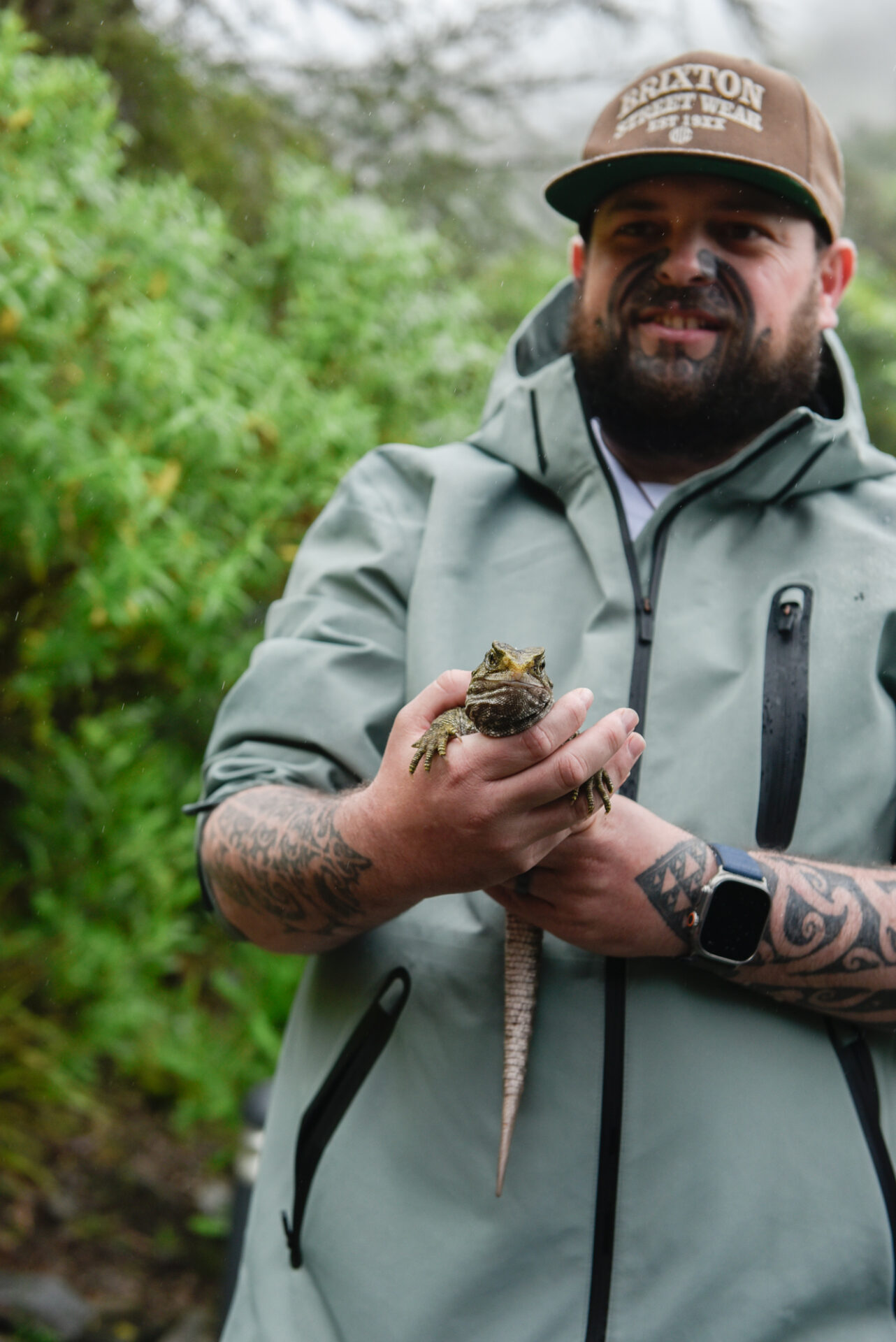
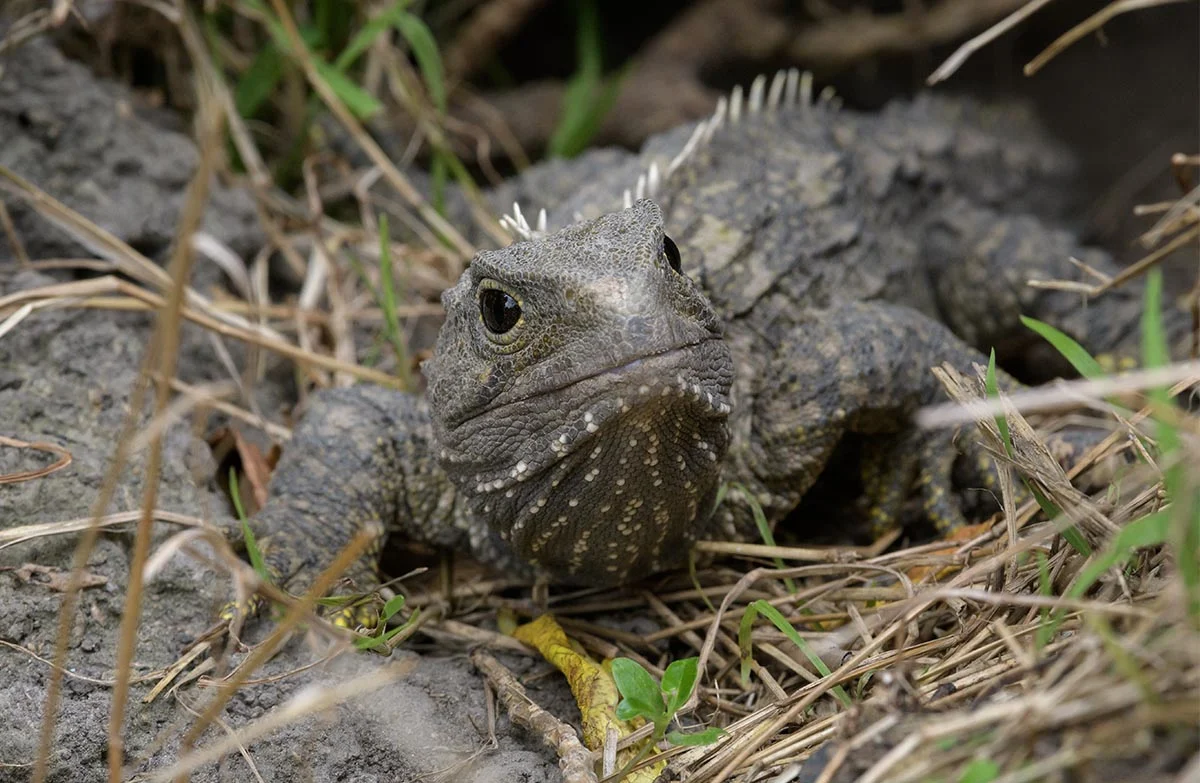
Tuatara are Aotearoa’s most iconic reptile — living descendants of a lineage that predates the dinosaurs. Once widespread across the mainland, they now survive on offshore islands and in protected sanctuaries like Brook Waimārama. 65 tuatara were reintroduced to the Sanctuary, with 35 more arriving soon. Their presence marks a major milestone in mainland restoration — returning this taonga species to its ancestral home in the Nelson region after more than a century of absence.
Conservation Status

Tuatara are classified as At Risk – Recovering under the New Zealand Threat Classification System. Their slow breeding and inactivity in the cold make them vulnerable to pest predation pressure.
Population

Historically found throughout Aotearoa, tuatara came close to extinction after the introduction of rats. Today, they are restricted to predator-free islands and pest-free mainland sanctuaries. Takapourewa / Stephens island has the largest population of Tuatara in the world, with around 30,000 or more individuals. The Brook Waimārama Sanctuary is home to 65 and soon 35 more, totally 100 Tuatara.
Food

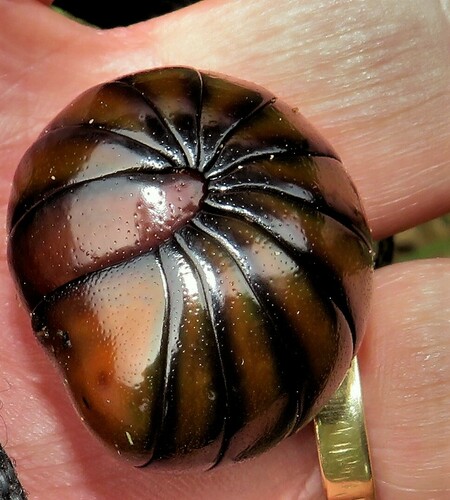
Tuataras are carnivorous, opportunistic predators that primarily eat invertebrates like beetles, wētā, worms, millipedes, and spiders, but their diet also includes lizards, seabird eggs, and chicks, sometimes even their own young, using their specialized teeth to crunch hard insects and ambush prey.
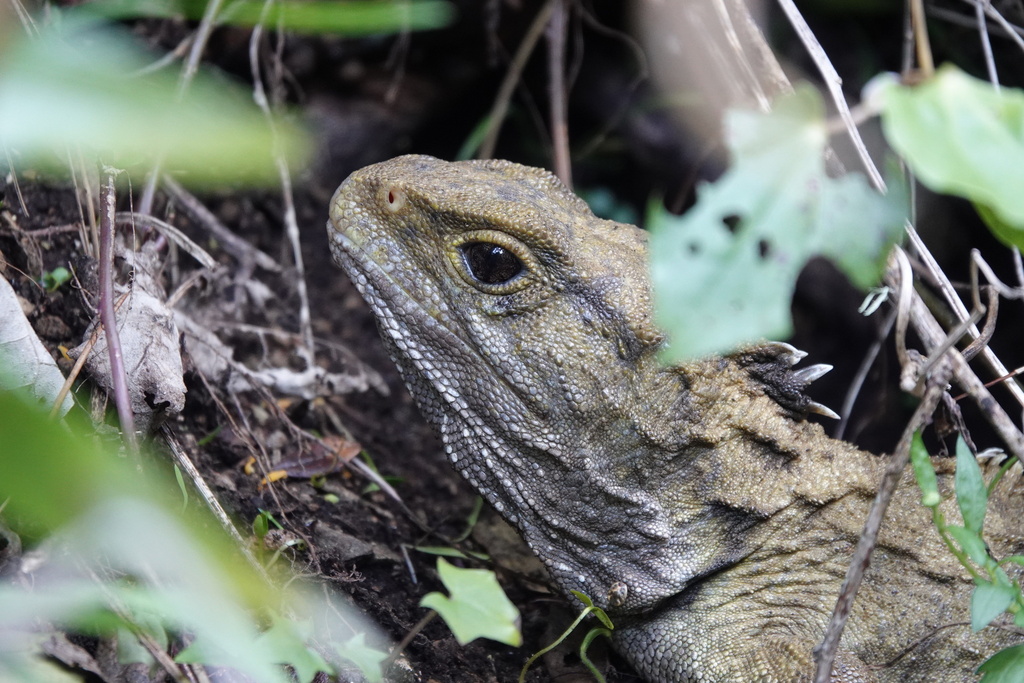
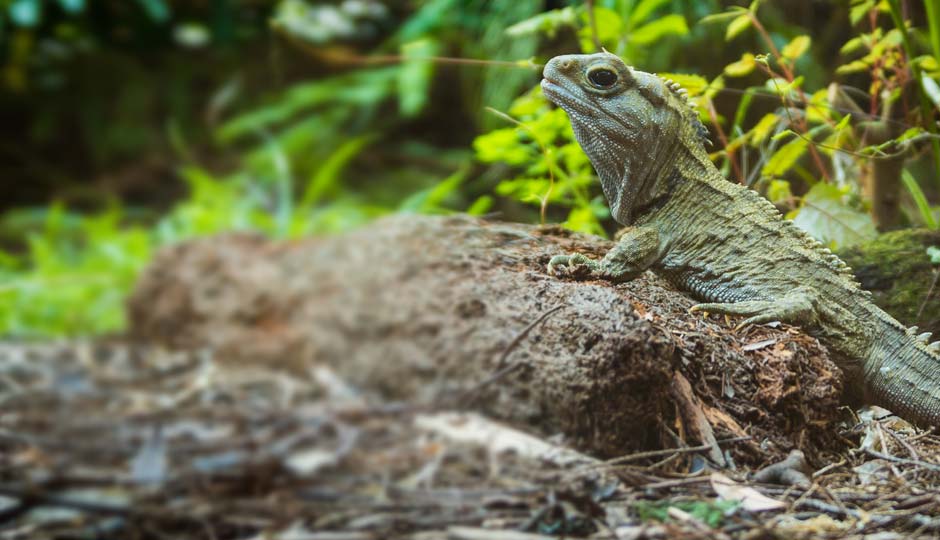
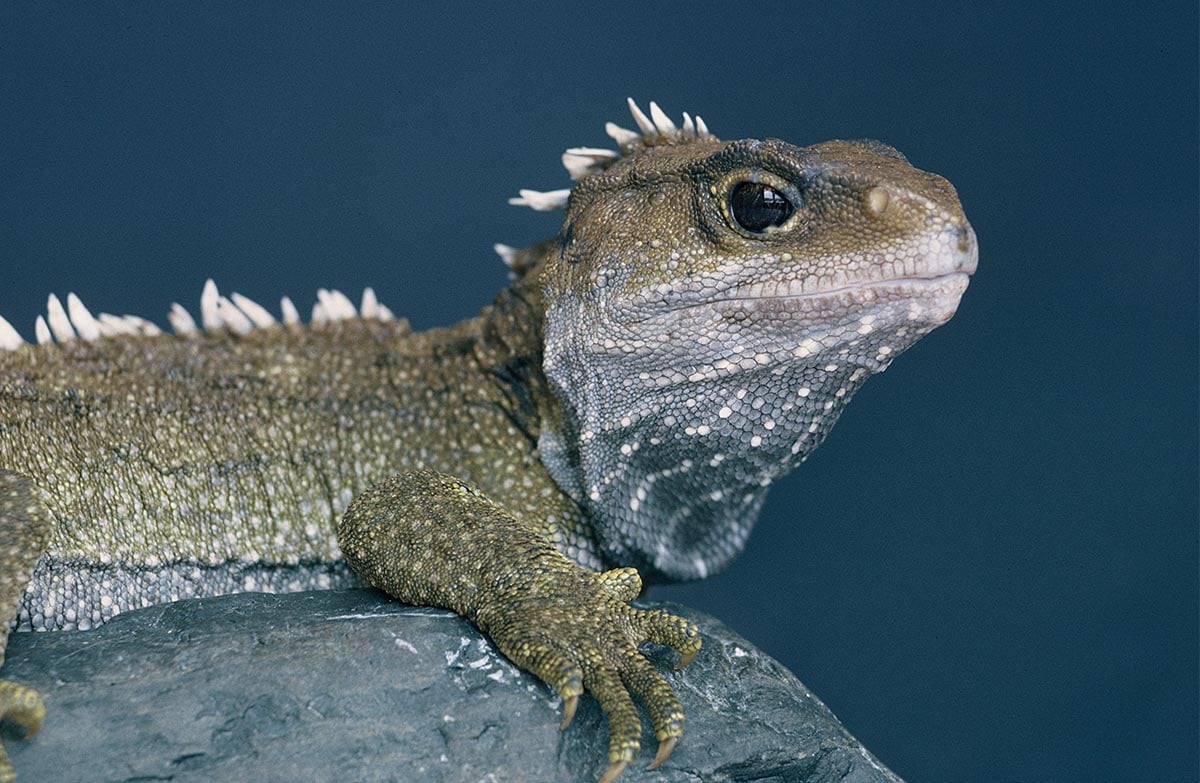
Tuatara are often mistaken for lizards but belong to their own ancient order, Rhynchocephalia, now only found in New Zealand. Adults can reach up to 80 cm in length and weigh well over 1 kg. They are variably coloured, with a grey-olive base colour, and accents of yellow, orange, greens and pinks. A dorsal crest runs along their spine, being more prominent in males. Tuatara have a third “parietal eye” on the top of the head — a light-sensitive organ thought to help regulate circadian rhythms and seasonal behaviour, or perhaps detect aerial predators.
Tuatara spend their days in burrows or basking just outside, venturing out under the cover of darkness. They feed on invertebrates, beetles, wētā, spiders, and occasionally lizards or birds. Tuatara are cold-adapted, remaining active at temperatures too low for most reptiles, a unique adaptation to New Zealand’s cooler climate. Tuatara create disturbance in the soil, often clearing shrubs and digging deep burrows. This disturbance, alongside that of seabirds which once nested across the motu, provides opportunities for specialist plants to establish.
Tuatara are famously long-lived and slow to reproduce. Adults reach maturity around 13–20 years old. Breeding occurs every five years, with females laying up to 18 leathery eggs in shallow holes, which are subsequently buried. Tuatara may live in the forest, but will travel long distances to lay their eggs in an open area where the sun can heat up the earth and incubate their eggs. It takes 12–15 months for tuatara to hatch. The temperature during development will determine the sex of the offspring, with warmer temperatures producing male offspring and cooler temperatures producing females. Hatchlings emerge during summer, and individuals can live for more than 100 years.
Historically found throughout Aotearoa, tuatara came close to extinction after the introduction of rats. Today, they are restricted to predator-free islands and pest-free mainland sanctuaries. Takapourewa / Stephens island has the largest population of Tuatara in the world, with around 30,000 or more individuals. Tuatara have been reintroduced to many islands and mainland sanctuaries that have been made pest-free.
Tuatara are classified as At Risk – Recovering under the New Zealand Threat Classification System. Their slow breeding and inactivity in the cold make them vulnerable to pest predation pressure. Climate change poses an emerging risk as tuatara egg incubation temperature determines hatchling sex, and warmer conditions could skew populations towards males.
The tuatara already thriving within the Sanctuary represent a successful partnership with Ngāti Koata, kaitiaki of tuatara from Takapourewa.. These reptiles are ambassadors of long-term restoration — living proof that ancient species can return to restored landscapes given the removal of pest mammals.
🦎 Tuatara can hold their breath for over an hour and live well beyond 100 years.
Our other residents
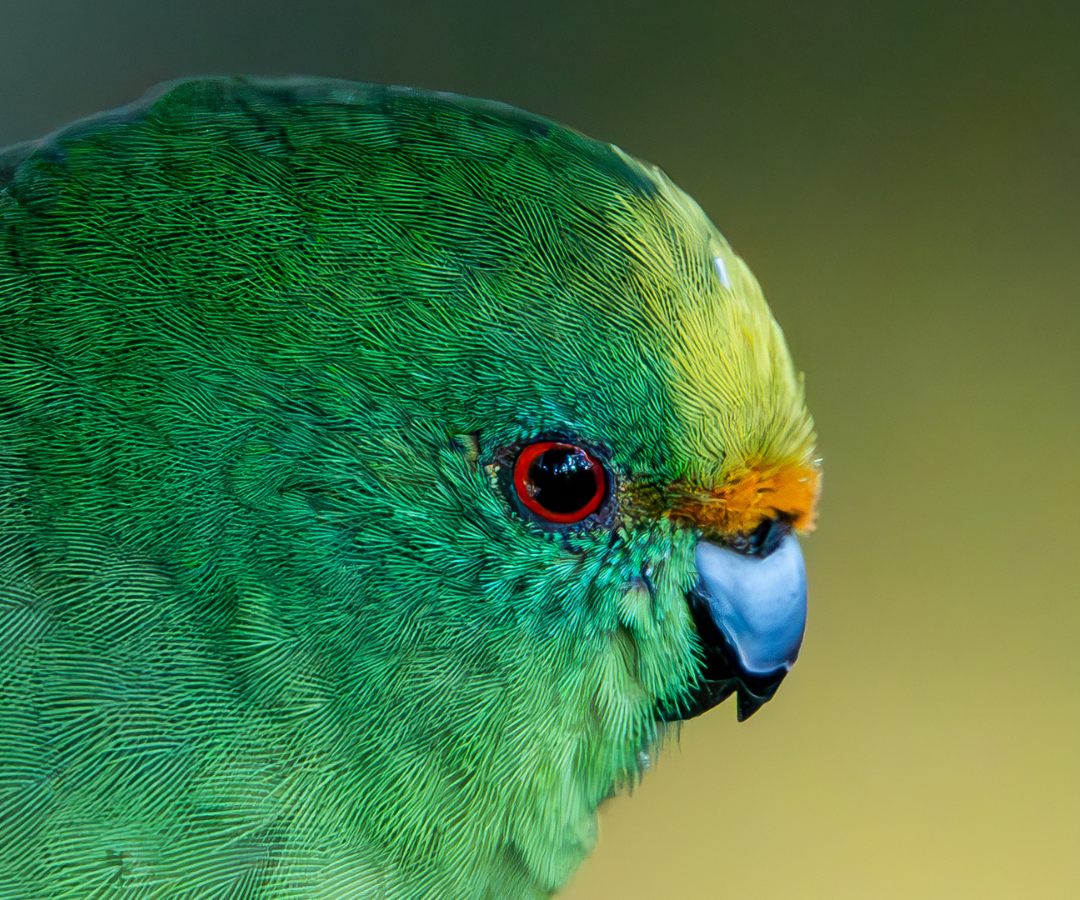
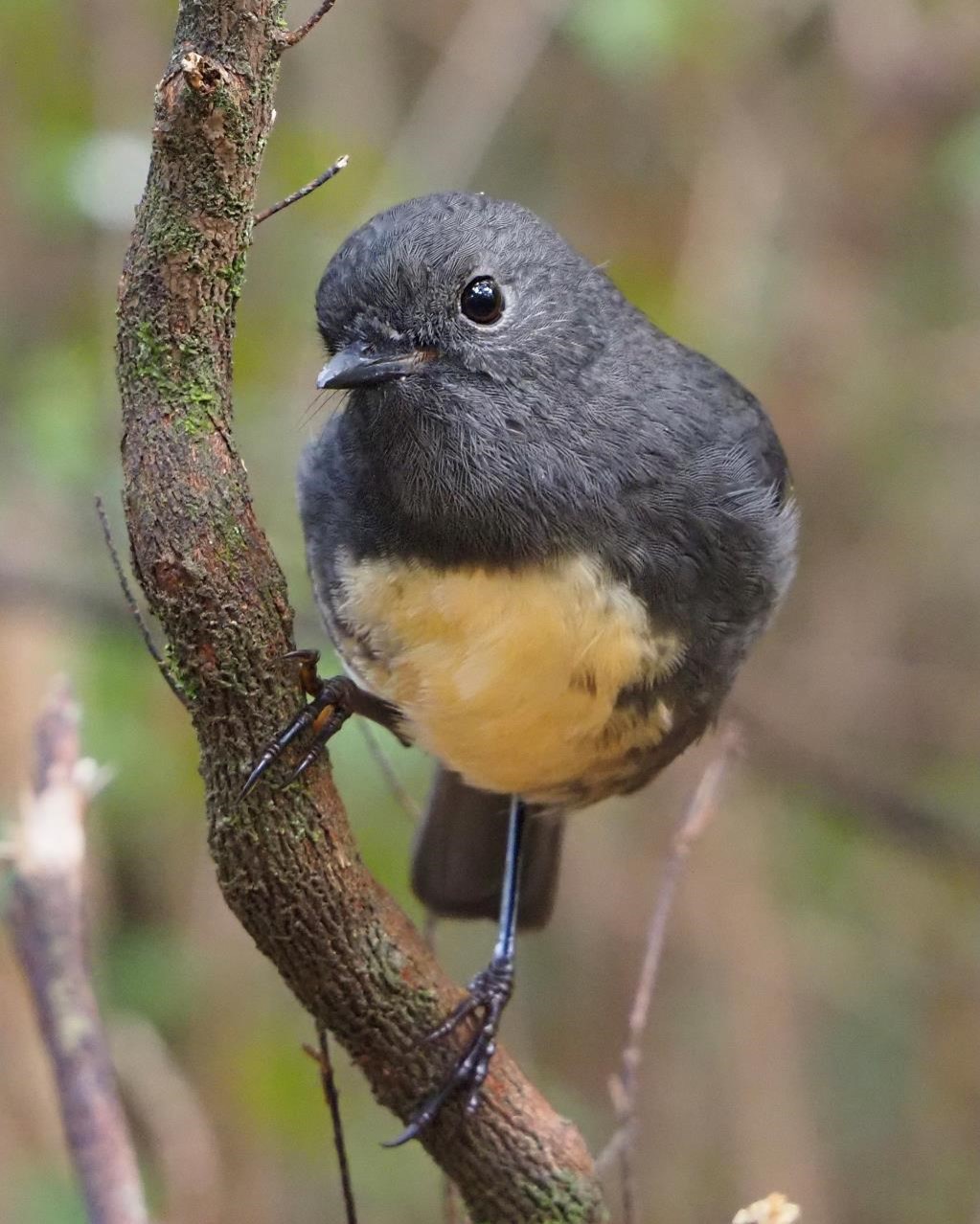
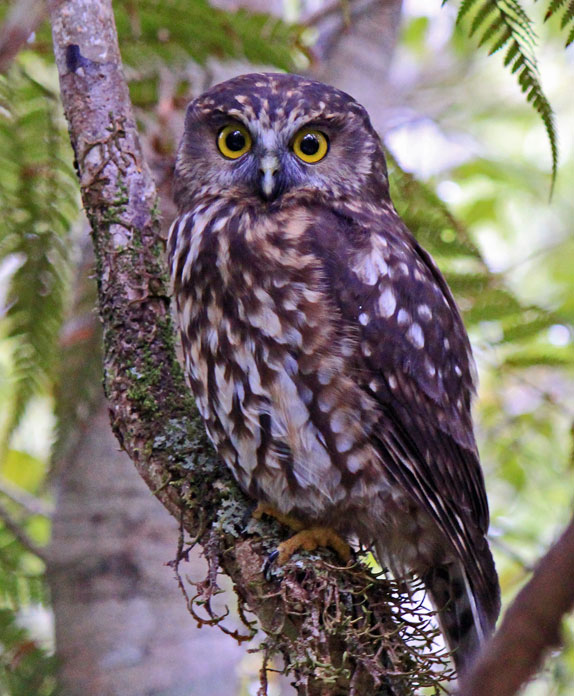
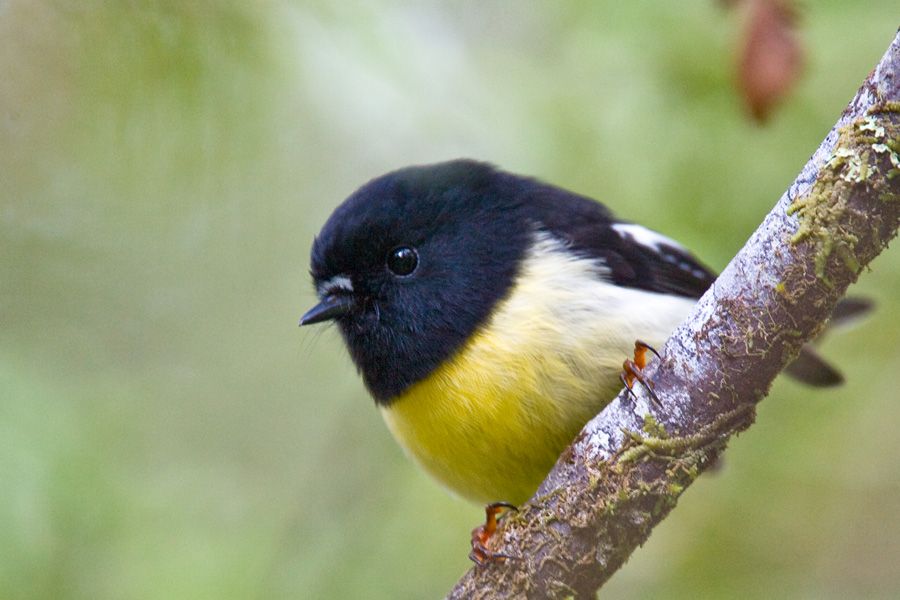
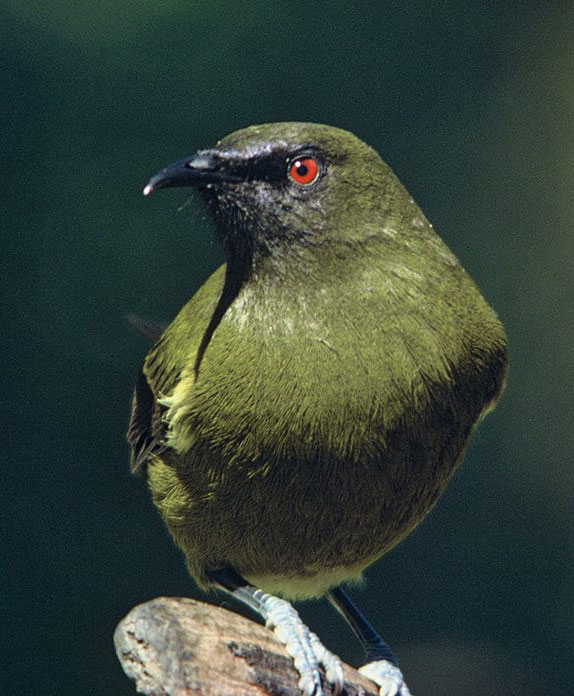
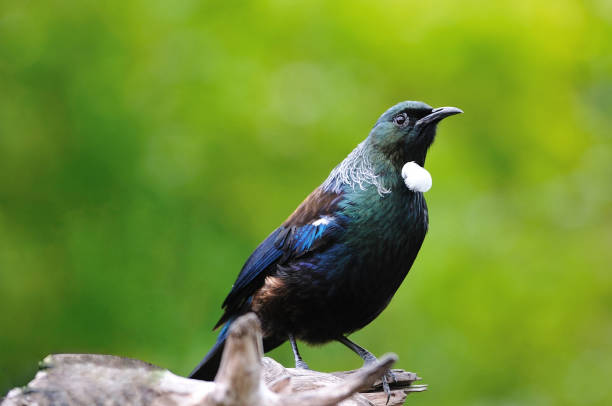
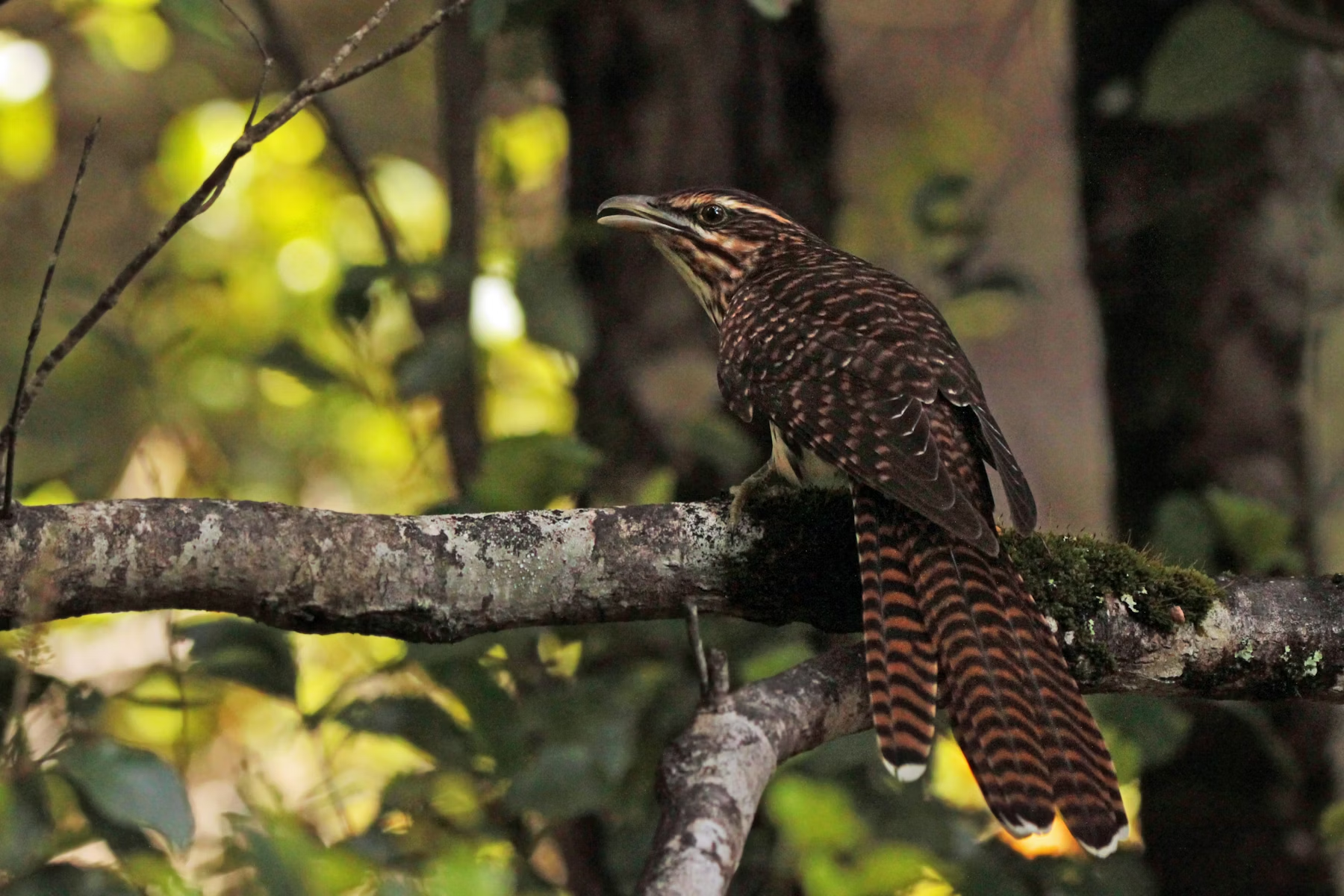
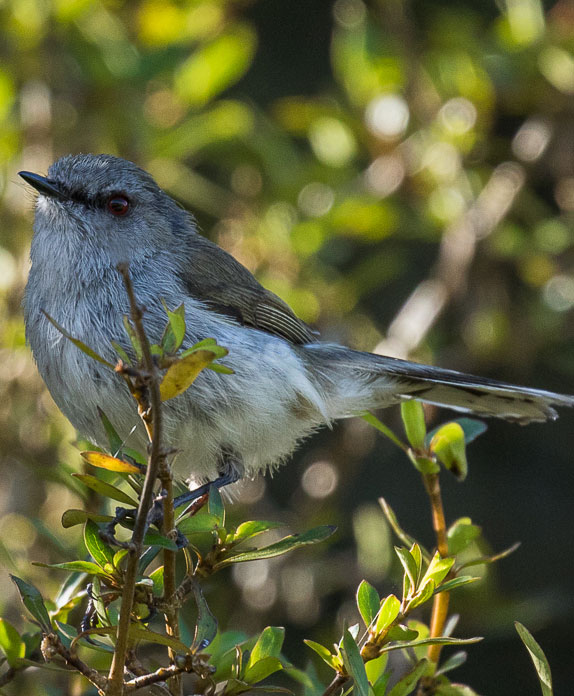
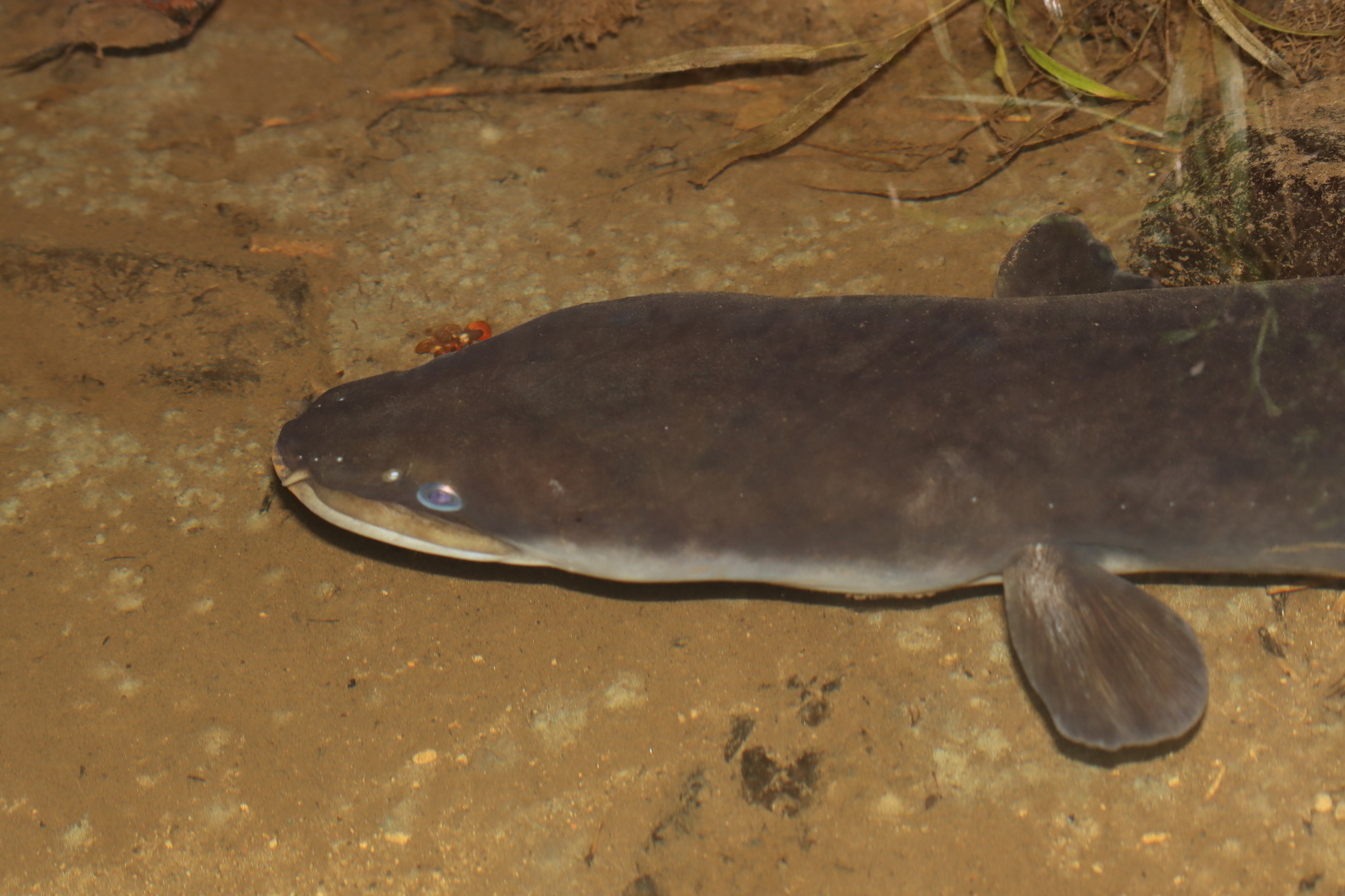
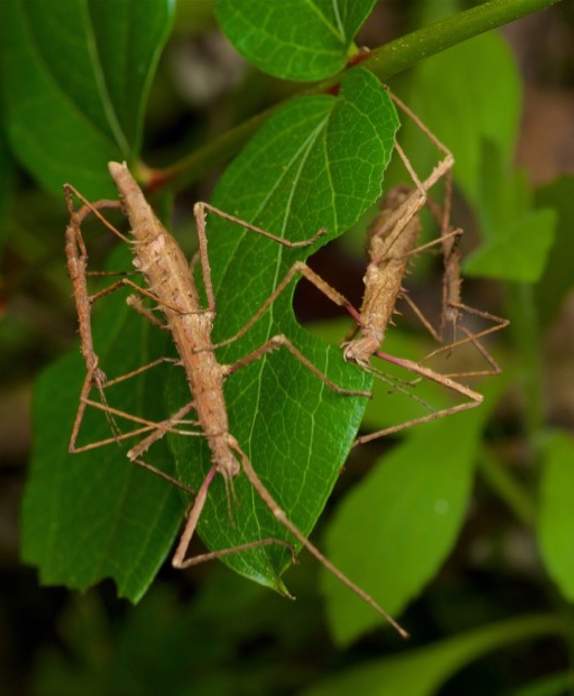
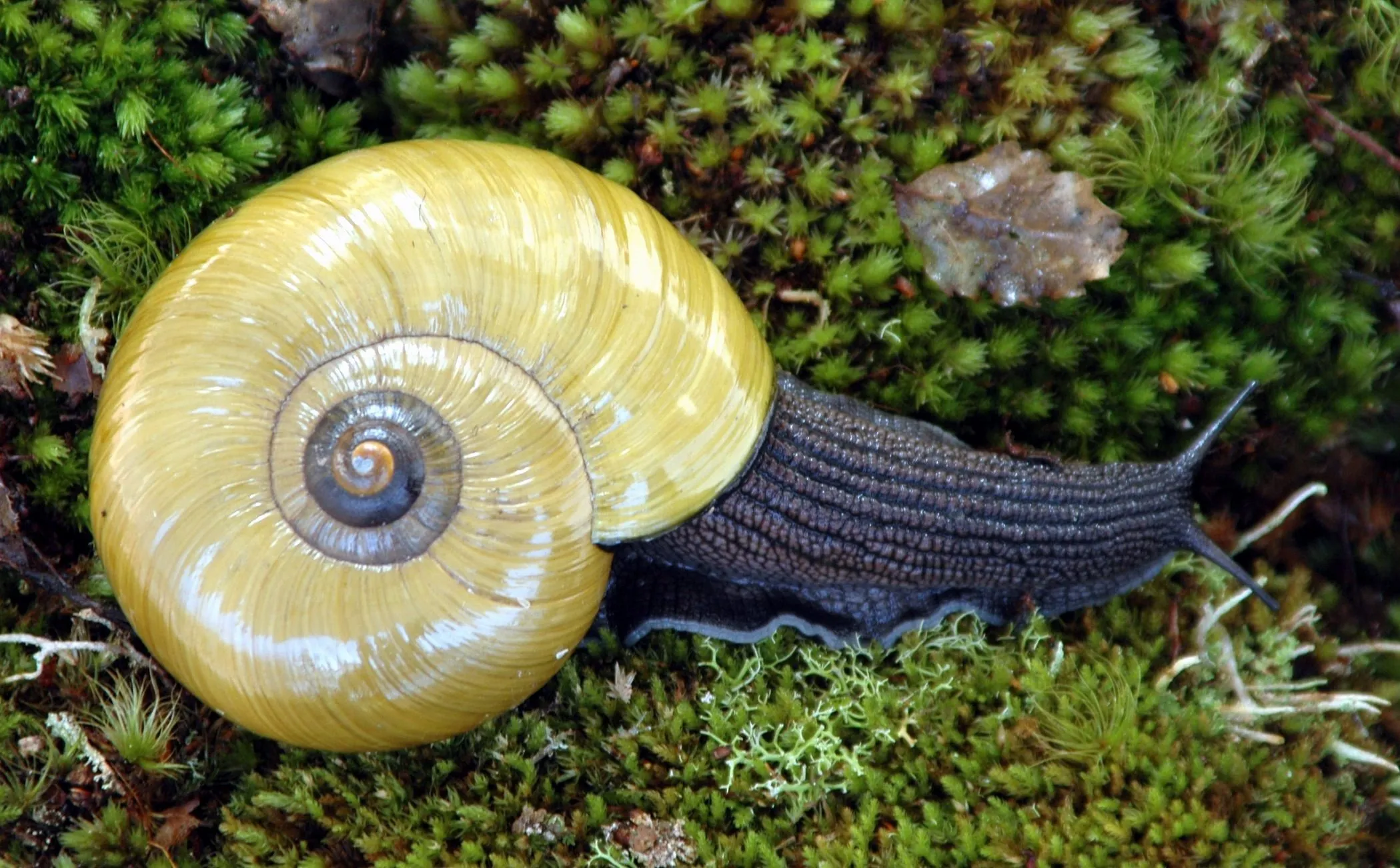
Check out some of the other incredible wildlife that call the Sanctuary home









Follow us on Instagram
@brooksanctuary
Share your photos with #brooksanctuary
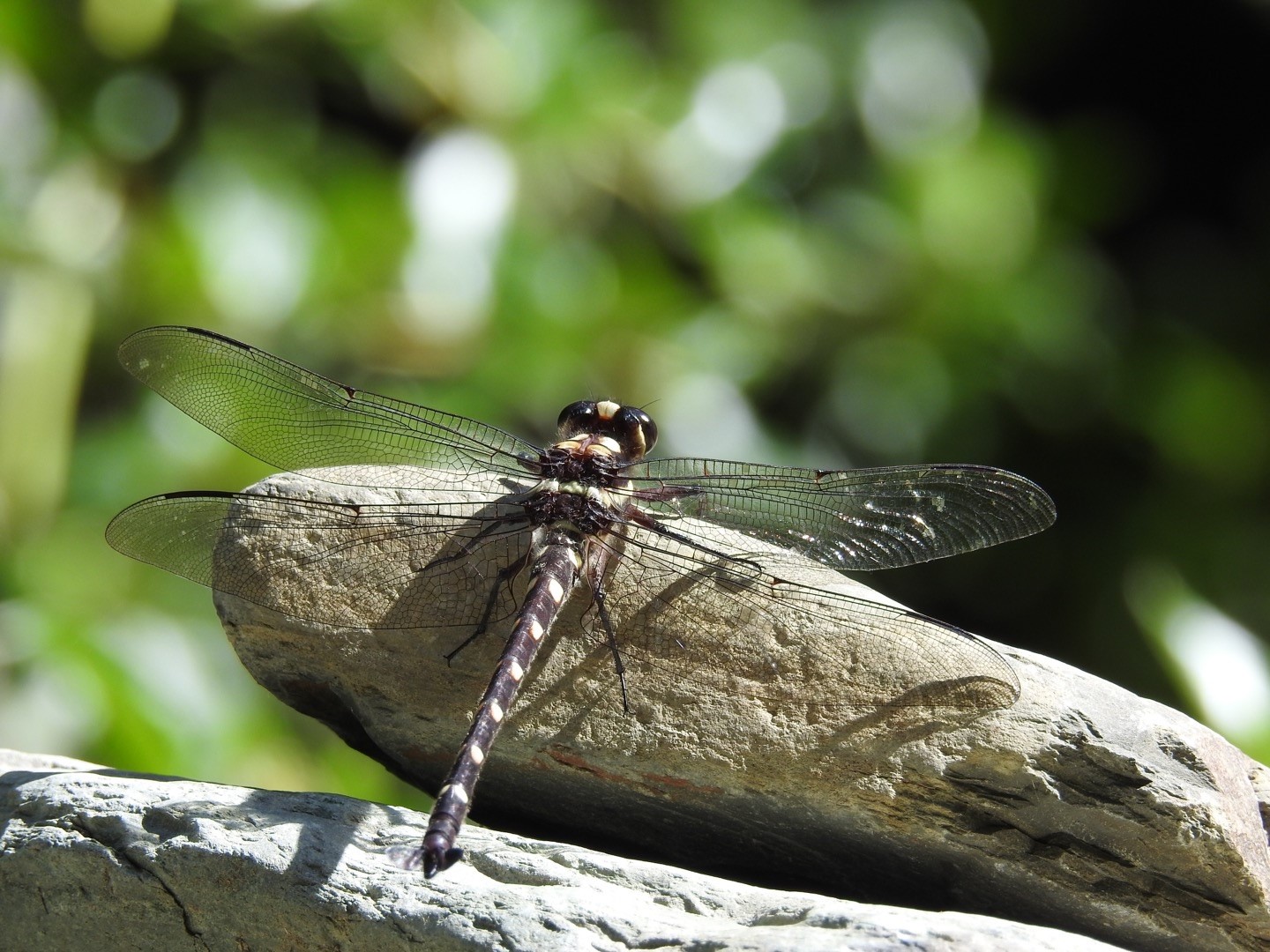
🪶 Ngahere Neighbourhood: piriwai (spiny gilled mayfly)
Tiny, ancient, and found only in Aotearoa — the spiny gilled mayfly (Coloburiscus humeralis) spends up to four years underwater before living just a few days as an adult.
Piriwai can only survive in clean, fast-flowing streams. Its larvae cling to river rocks, filtering food from the water with tiny hair-like gills. They are an important sign of healthy freshwater ecosystems, so much so that this species gets a rating of 8-9 on the sensitivity/stream health rating. All native stream macroinvertebrates are ranked in terms of their sensitivity and used as a bioindicator of stream health.
The Sanctuary stream is a reference site for stream health and represents a `pure`, unadulterated site and thus is highly diverse in sensitive stream invertebrates.
📸 Photo: Taken by Henry Hart here at the Sanctuary
#NgahereNeighbourhood #BrookSanctuary #AotearoaNature #FreshwaterLife #NelsonTasman #Conservation #Piriwai
Feb 17


Their Raucous Call Returns: Kākā Set to Reclaim the Brook Waimārama Sanctuary. 🦜
This March, we’re scheduled to welcome two male and one female kākā fledglings from the Dunedin Botanic Garden kākā breeding programme. There’s also the potential for a further four birds to arrive in May.
Kākā are unique to Aotearoa and are nationally vulnerable, with populations heavily impacted by introduced predators. Releasing them into a pest-free sanctuary with ideal habitat (old growth beech forest) gives them the best chance to thrive.
This release will build on years of species translocations as part of the Sanctuary’s ambitious ecosystem restoration efforts, including:
🏠 Kākāriki karaka in 2021
🏠 Powelliphanta hochstetteri consobrina (giant snails) in 2021
🏠 Tuatara in November 2024 and May 2025
🏠 Kiwi in May 2025
Over the coming weeks, our team will be busy planning and preparing for this important translocation. We’ll share more details on timing and what to expect closer to the date.
Thank you to our community of donors, volunteers, business supporters, and Sanctuary Members for continuing to back the Sanctuary — your support is vital to every species return. We can’t wait to celebrate this next milestone with you.
#BrookWaimāramaSanctuary #Kākā #ConservationNZ #NelsonNZ #PredatorFree #NativeWildlife #Biodiversity
Feb 10

Win prizes for your best summer photo at the Sanctuary 📸🏆☀️
This season, we want to see the Sanctuary through your lens — the bright light through the canopy, the textures of the forest floor, and the tiny details that make summer feel alive.
Enter our Summer Photography Competition (part of our Sanctuary Seasons series) and you could win:
🏆 Instant camera (Junior Photography winner)
🌙 Family ticket to a guided night tour
📰 Feature in our newsletter + social media
🖼️ Printed display at the Visitor Centre
📅 Entries close 28 February - Submit your entries via our website: Link in bio
Photo credit: Helen Power - Entry from the spring photography competition
#BrookWaimāramaSanctuary #SanctuarySeasons #Ngahere #NaturePhotography #NZWildlife #NelsonTasman #VisitNelson #NZHikes #EcoTourismNZ #ConservationStorytelling
Feb 4

Looking for a unique and memorable date night? 🌙🌲
This February, we’re introducing Date Me Darling — private, curated date nights inside the Sanctuary at dusk.
Three styled locations. One couple at a time. You’ll have a styled spot along the main loop track, locally sourced food and drinks, a few games to share, and time to slow down together as the forest shifts into evening.
Beech Glade: for when you want the world to fall away — deeply hidden, totally private, just you and the hush of the forest.
River: crystal clear water, canopy above, flickering lights — the kind of setup you usually only see on Instagram.
Meadow: open sky, long grass, and the forest standing quietly at the edges like it knows not to interrupt.
Bookings are open now (limited spaces in February only so don’t miss out!): Link in bio
#DateMeDarling #NelsonNZ #NelsonTasman #ThingsToDoNelson #DateNightIdeas #NatureLovers #SupportLocalNZ #ConservationNZ #BrookWaimāramaSanctuary
Feb 3

Two cute to be true?
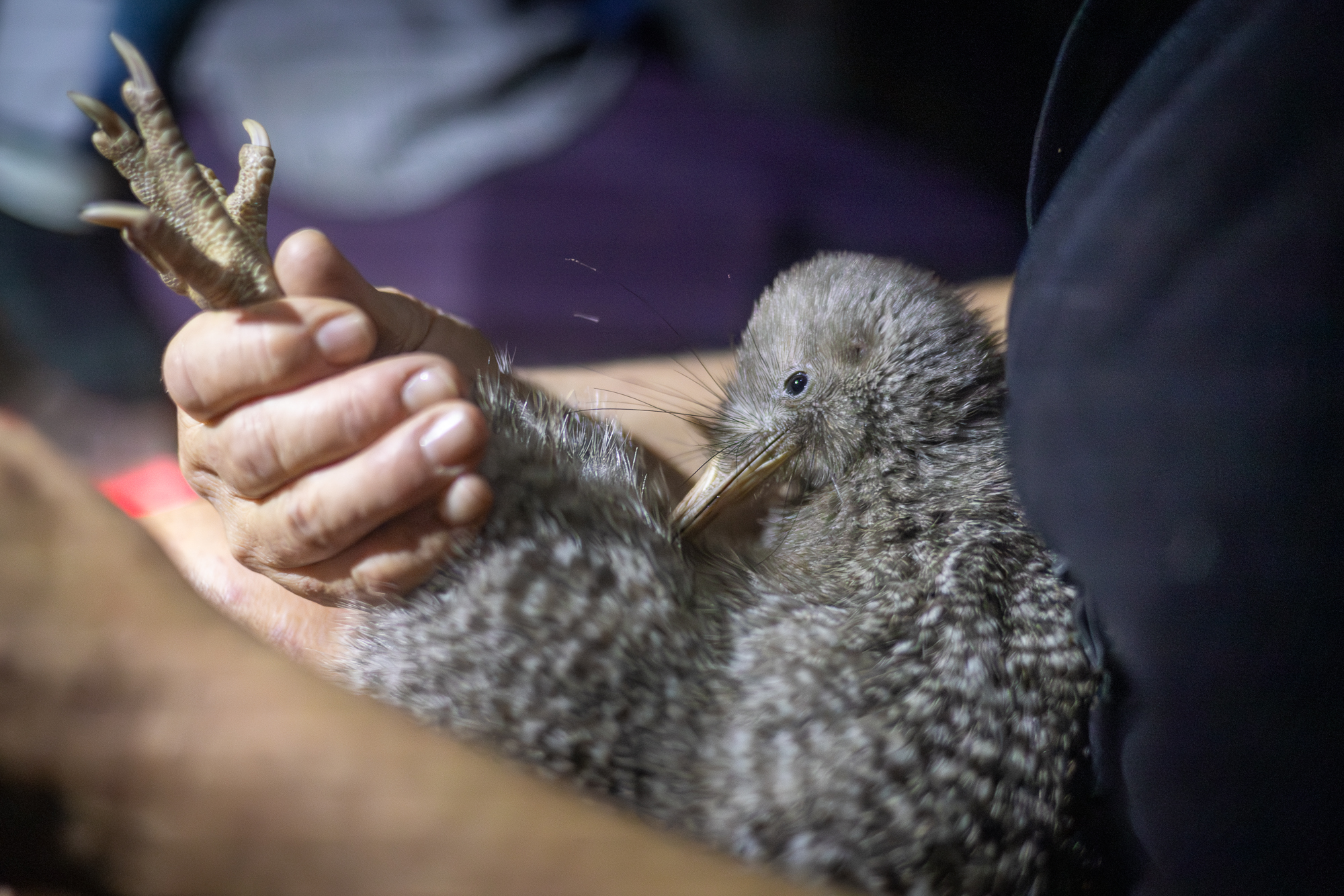
Brook Waimārama Sanctuary and @savethekiwinz teams have been busy over the past few days tracking and recapturing kiwi to remove their transmitters. Thanks to a huge team effort, all ten males were recaptured within just three days.
Some nest burrows held a surprise or two — in several cases a female was present, and a couple even contained chicks. One burrow amazed us all, with not one but two adorable chicks 😍
All chicks are fully independent at this stage of the season, and after quick health checks and transmitter removal, all adult kiwi were safely returned to their burrows.
This special footage was captured by kiwi handler Tamsin from Save the Kiwi, who led the transmitter removal mahi.
We estimate the 20 females and 21 males released in May last year have already produced around 10–15 kiwi pukupuku (little spotted kiwi) chicks in their very first breeding season — a strong sign the habitat is just right.
With transmitters now removed from all ten males, the kiwi are completely free, with no further handling needed. Annual kiwi call counts by staff and volunteers will help track the growing population across our 690 ha, ring-fenced, pest-free sanctuary.
Credit: Video courtesy of Tamsin Ward-Smith, Save the Kiwi
Thanks to our partnership with @terunangaotoa Ngati Toa and Save the Kiwi
#kiwipukupuku #littlespottedkiwi #brookwaimaramasanctuary #nelson #thetopofthesouth #conservation #biodiversity #nativebirds #natureloversnz #newzealandwildlife #pestfree #ringfencedsanctuary #conservationinaction
Jan 29

🎻 45 min string quartet concert at Brook Waimārama Sanctuary
Come and hear a dynamic young string quartet perform a 45 min concert at Brook Waimārama Sanctuary. We welcome everyone to come along, and bring anyone you think might be curious to hear some classical music in a relaxed environment.
The @antipodes.quartet is part of the Fellowship Ensemble Programme, a joint venture between the @adamchambermusicfestival, @newzealandstringquartet and @chambermusicnz, as a career-development experience offered to four of this country’s most promising young string players.
The Antipodes Quartet are Eden Annesley (violin), Mana Waiariki (violin), Tal Amoore (viola) and Lavinnia Rae (cello).
On this occasion, Brook Waimārama Sanctuary are welcoming everyone at local prices: Adult $15, Child $9; Family $35 (on the door)
Find out more: (Link in bio)
#BrookWaimāramaSanctuary #NelsonNZ #Whakatū #WhatsonNelson #NelsonTasman #LiveMusicNZ #ChamberMusicNZ #StringQuartet #ClassicalMusicNZ #AdamChamberMusicFestival #NewZealandStringQuartet #ChamberMusicNewZealand #FamilyFriendly #NatureAndCulture #SupportLocalArts
Jan 27
