
Kapokapowai
Giant Bush Dragonfly
Uropetala carovei
Their Story
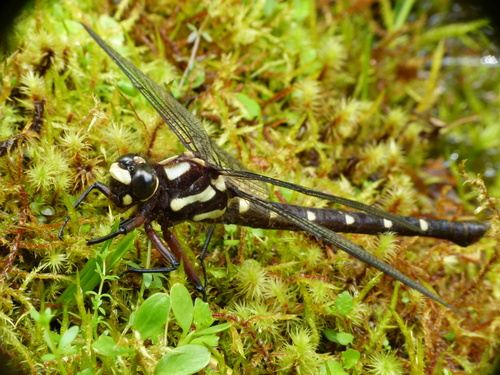
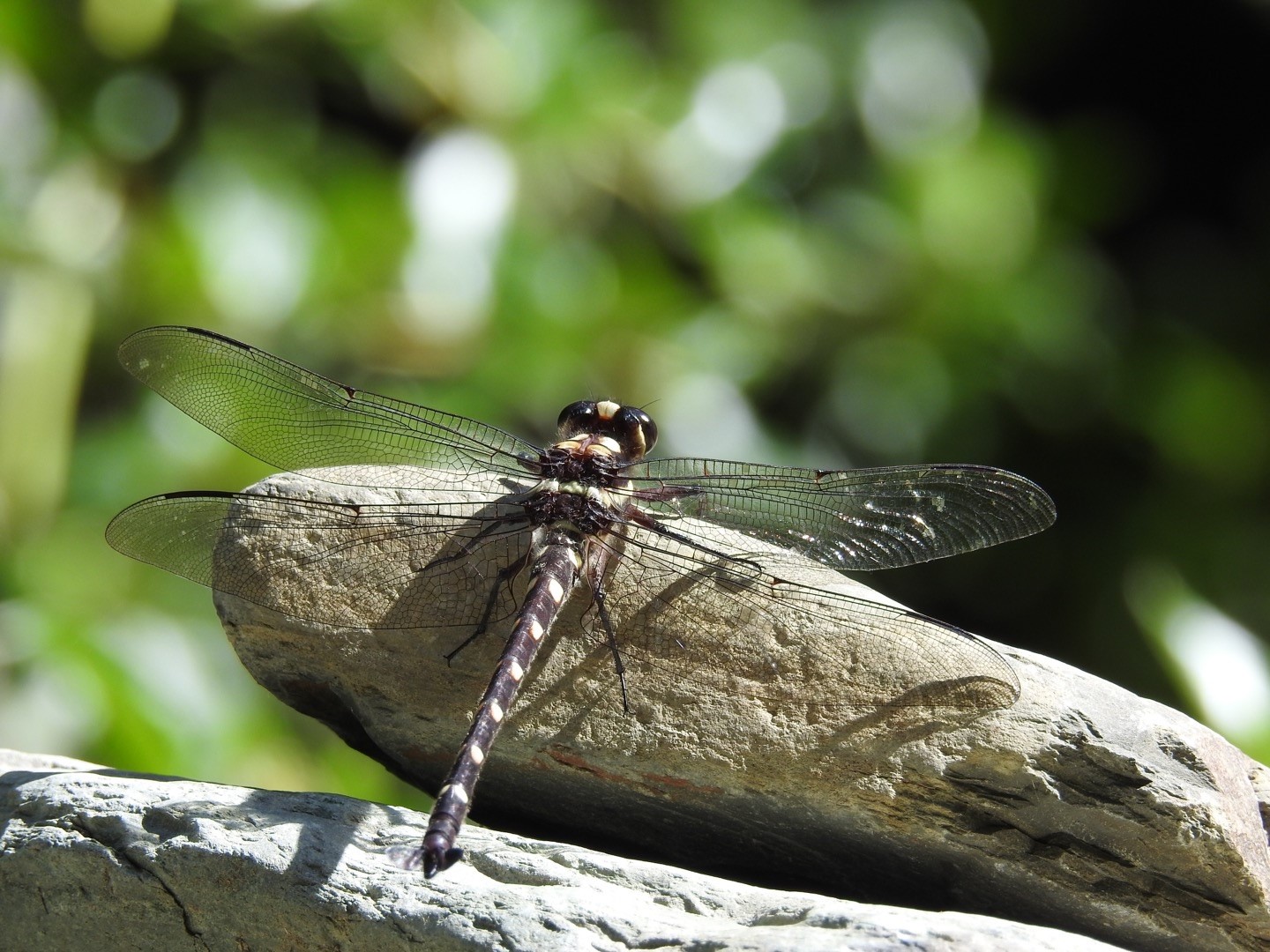
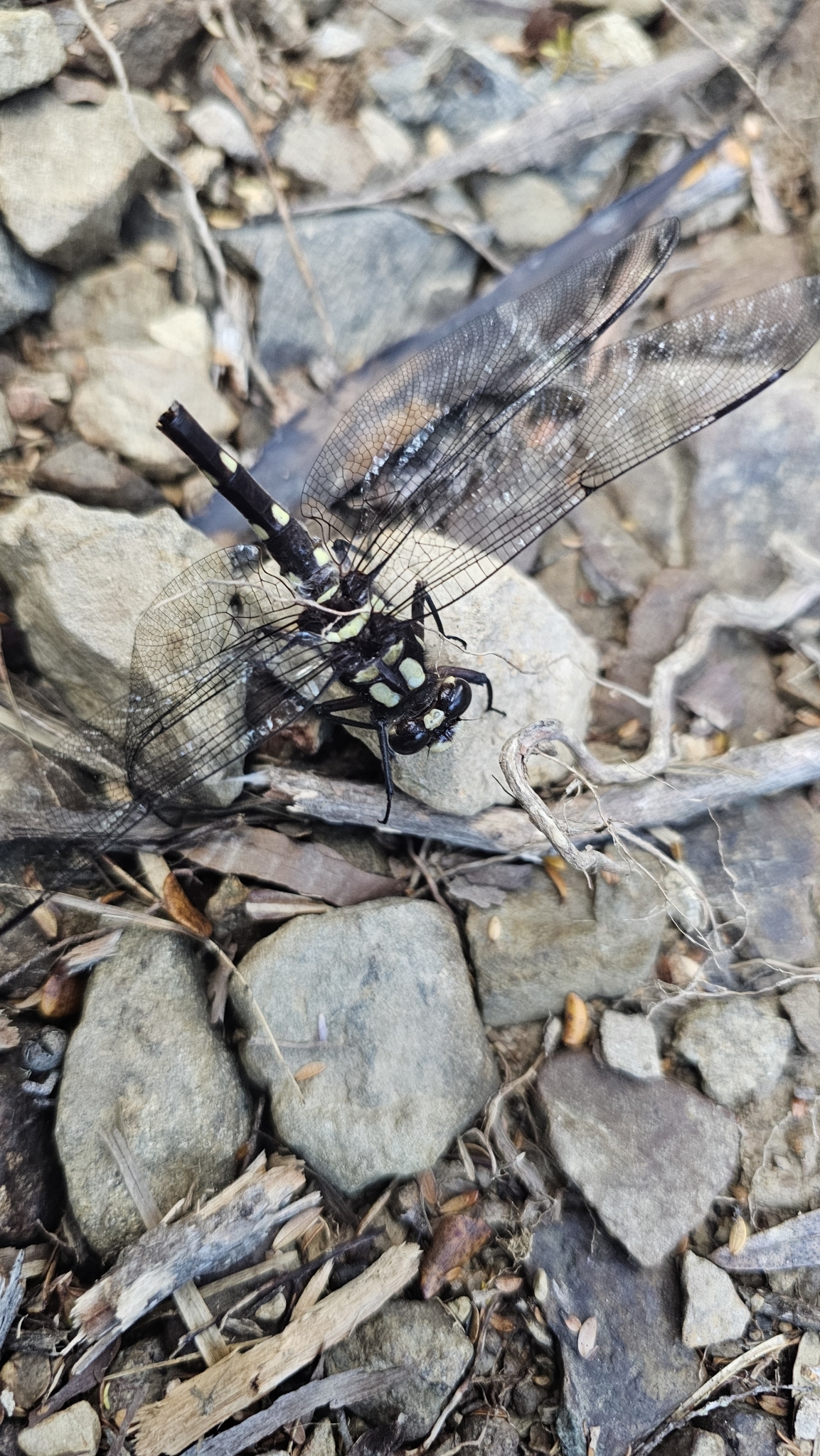
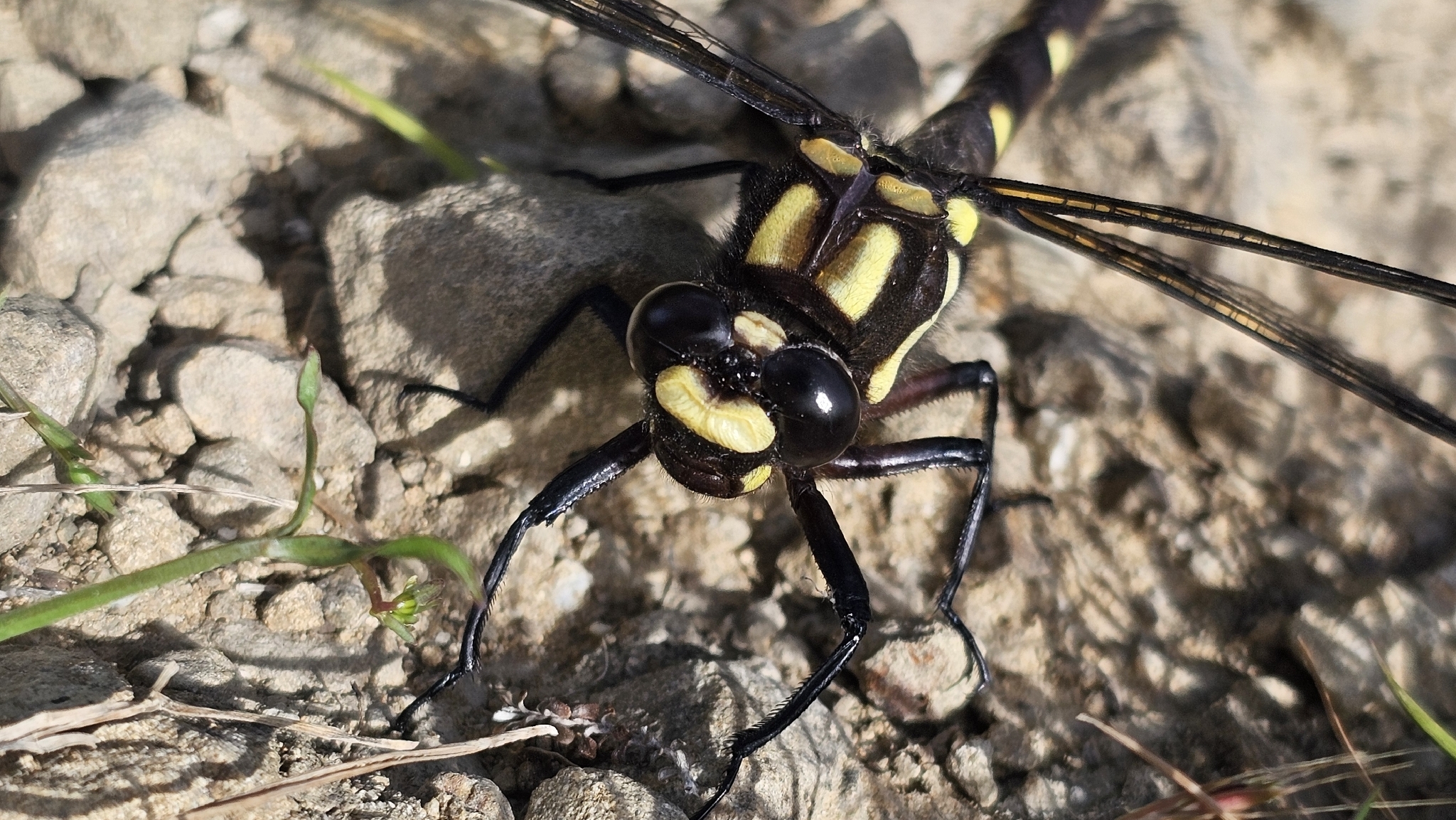
Kapokapowai, or giant bush dragonfly, is New Zealand’s largest and most iconic dragonfly, easily identified by its striking size and bold markings. Endemic to Aotearoa, it inhabits damp native forest and stream-side edges. Within the predator-free environment of the Brook Waimārama Sanctuary it represents both ecological success and the quiet return of rare invertebrates to restored forest.
Conservation Status

Classified as Not Threatened under the New Zealand classification system, the species is still sensitive to forest clearance, stream-bank disturbance, and introduced predators at the larval stage (e.g., rats, weka). Intact forest and safe stream habitats support its survi
Population

Found throughout much of New Zealand, especially in the North Island and western South Island, the giant bush dragonfly prefers damp, shaded forest or scrub with seepage or stream-banks. Within the Brook Waimārama Sanctuary, the moist valley forest and clear streams offer suitable habitat for this special invertebrate.
Food

Adults hunt on the wing, capturing large insects such as wasps, butterflies and cicadas.
These dragonflies measure up to 95 mm in body length with a wingspan reaching around 130 mm. They have a dark brown or black body with pale yellow markings on the thorax and abdomen. The male can be distinguished by its large petal-shaped appendages at the tip of the abdomen. Their broad wings, large eyes and bold size make them unmistakable in flight. Wikipedia+1
Adults hunt on the wing, capturing large insects such as wasps, butterflies and cicadas. They often patrol forest margins and seepages in low light. The larval stage (naïad) lives for around five years in burrows along shaded stream banks or seepage zones, emerging at night to hunt near its tunnel entrance. Landcare Research+1
Males establish and defend territories during the breeding season. After mating, females deposit eggs on shaded moss-covered banks. The larvae remain in their burrows for multiple years before emerging as adults — making the species’ life cycle unusually long for an insect. Wikipedia+1
Found throughout much of New Zealand, especially in the North Island and western South Island, the giant bush dragonfly prefers damp, shaded forest or scrub with seepage or stream-banks. Within the Brook Waimārama Sanctuary, the moist valley forest and clear streams offer suitable habitat for this special invertebrate. Landcare Research+1
Classified as Not Threatened under the New Zealand classification system, the species is still sensitive to forest clearance, stream-bank disturbance, and introduced predators at the larval stage (e.g., rats, weka). Intact forest and safe stream habitats support its survival. Wikipedia
The presence of kapokapowai in the Sanctuary is a powerful indicator of forest and stream health. While rarely seen, sightings and survey records reflect the value of predator-free forest, intact riparian zones and mature habitat. For visitors who pause by the waterside at dusk, a glimpse of these giant dragonflies is a hidden highlight of the valley.
🪶 The Māori name kapokapowai translates roughly to “water snatcher” — acknowledging the dragonfly’s secretive larval burrows in stream banks and its mastery of both water and air.
Our other residents
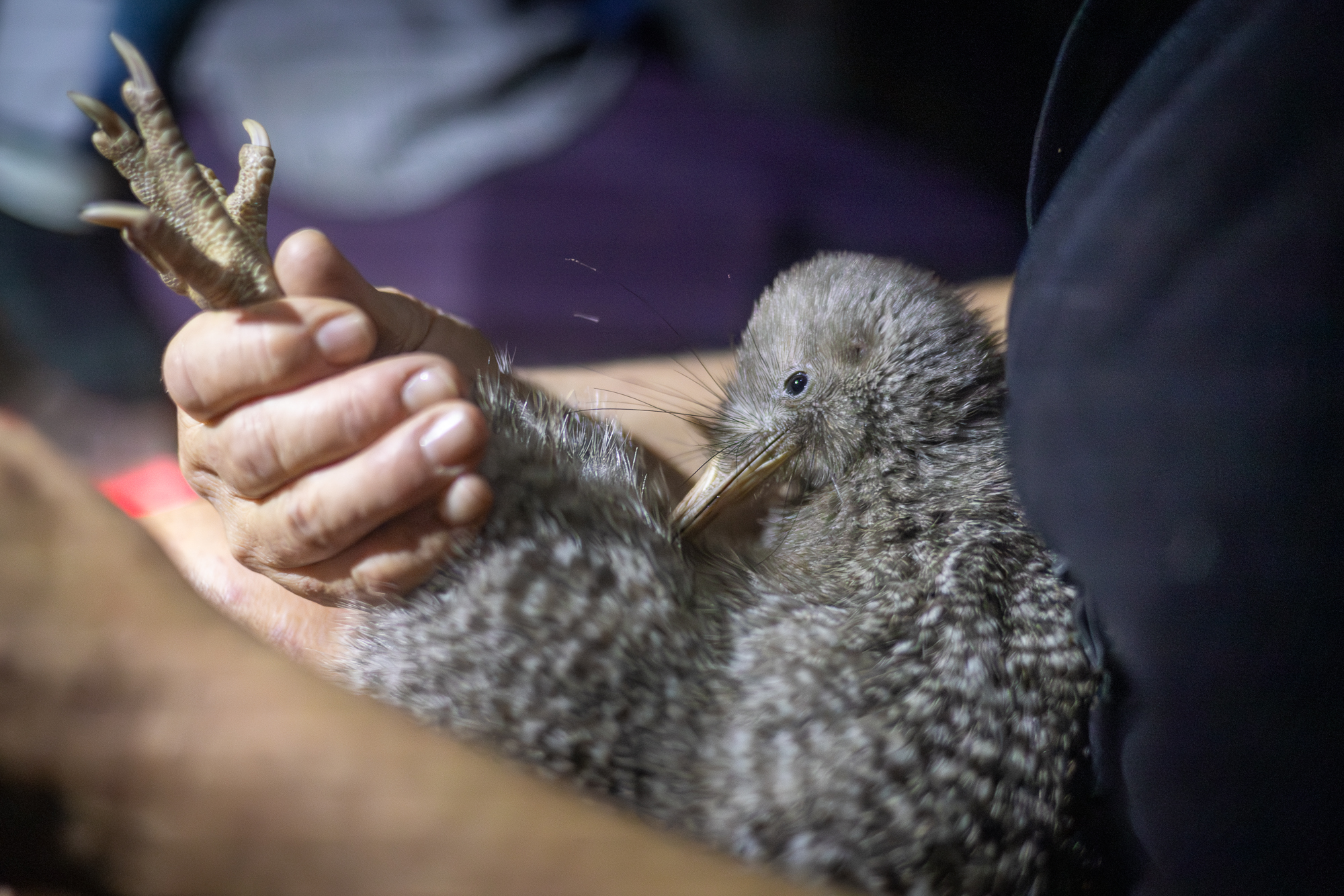
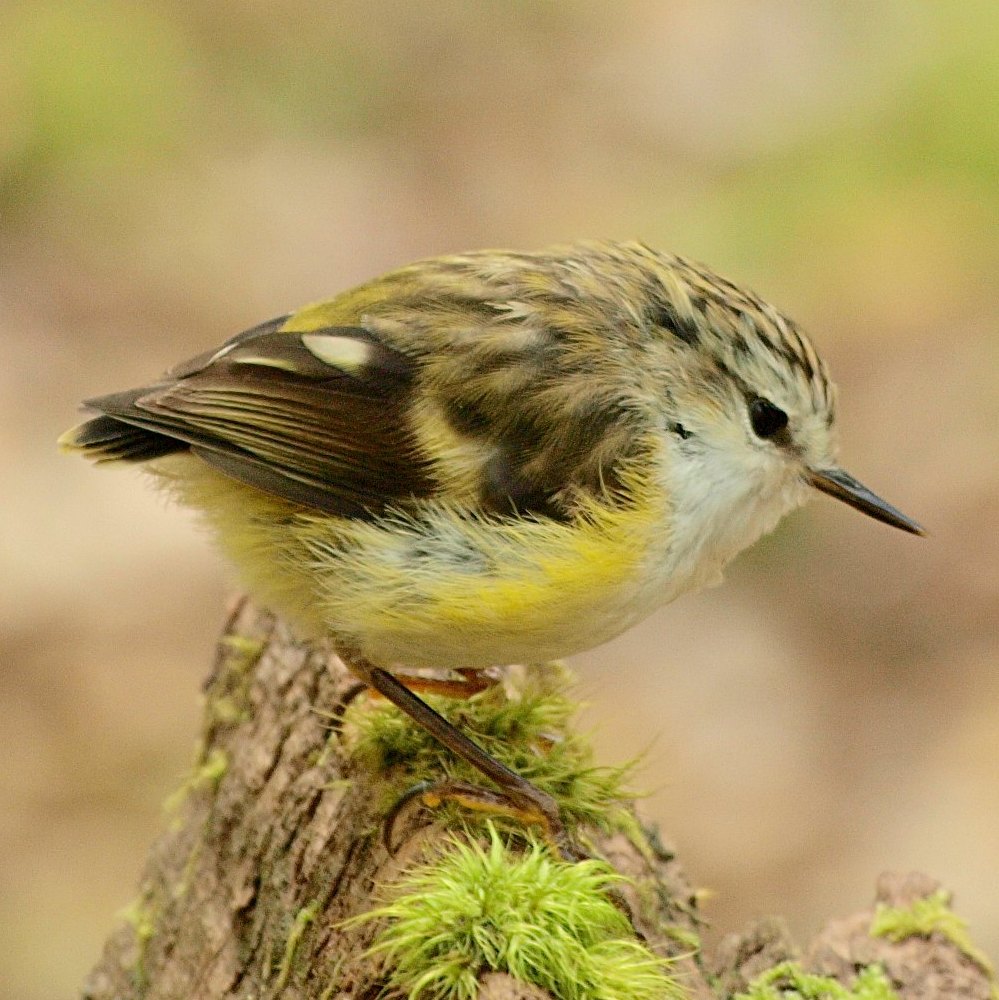
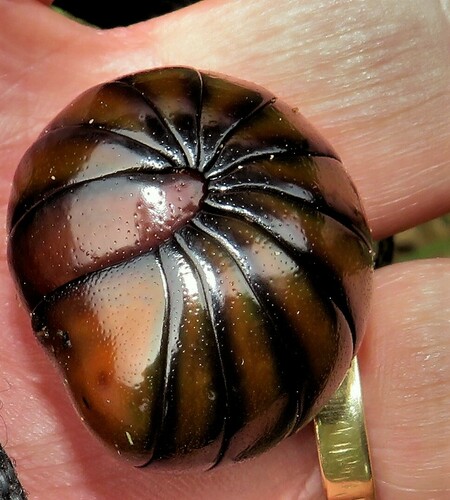
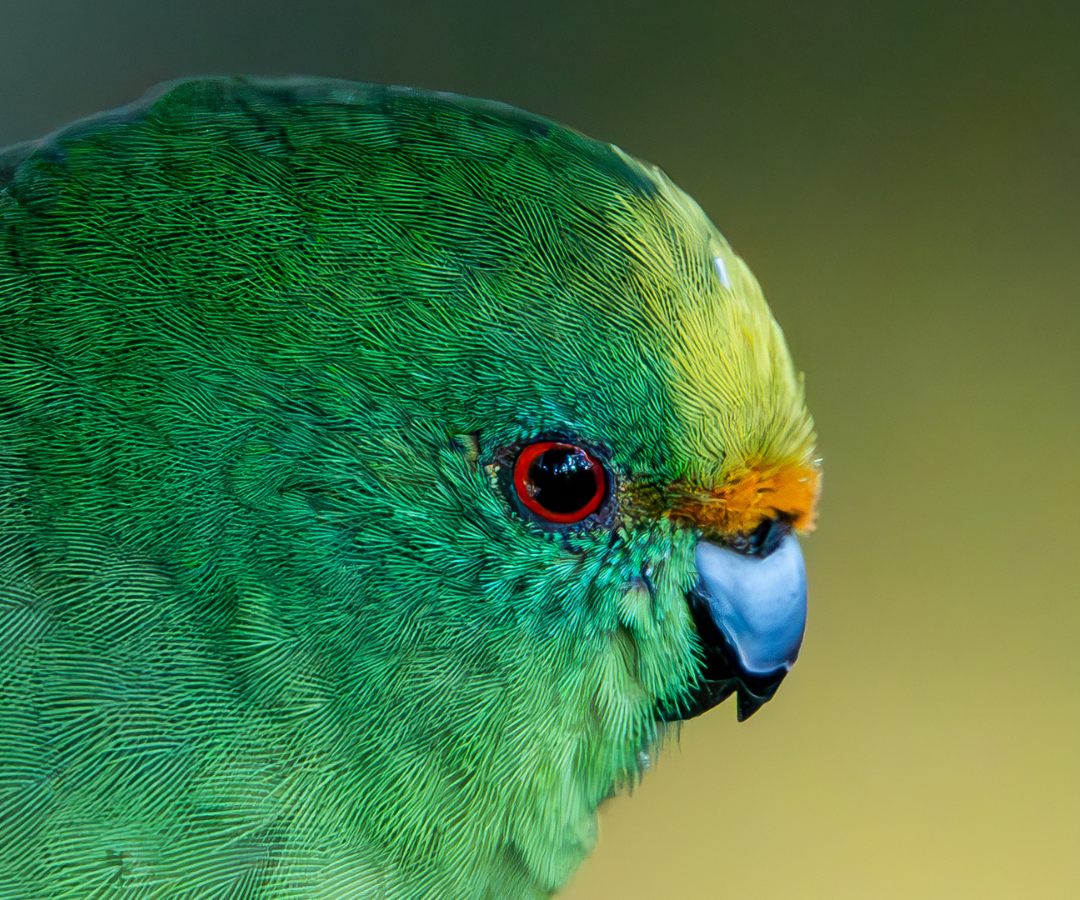
Check out some of the other incredible wildlife that call the Sanctuary home

Follow us on Instagram
@brooksanctuary
Share your photos with #brooksanctuary
Win prizes for your best summer photo at the Sanctuary 📸🏆☀️
This season, we want to see the Sanctuary through your lens — the bright light through the canopy, the textures of the forest floor, and the tiny details that make summer feel alive.
Enter our Summer Photography Competition (part of our Sanctuary Seasons series) and you could win:
🏆 Instant camera (Junior Photography winner)
🌙 Family ticket to a guided night tour
📰 Feature in our newsletter + social media
🖼️ Printed display at the Visitor Centre
📅 Entries close 28 February - Submit your entries via our website: Link in bio
Photo credit: Helen Power - Entry from the spring photography competition
#BrookWaimāramaSanctuary #SanctuarySeasons #Ngahere #NaturePhotography #NZWildlife #NelsonTasman #VisitNelson #NZHikes #EcoTourismNZ #ConservationStorytelling
Feb 4


Looking for a unique and memorable date night? 🌙🌲
This February, we’re introducing Date Me Darling — private, curated date nights inside the Sanctuary at dusk.
Three styled locations. One couple at a time. You’ll have a styled spot along the main loop track, locally sourced food and drinks, a few games to share, and time to slow down together as the forest shifts into evening.
Beech Glade: for when you want the world to fall away — deeply hidden, totally private, just you and the hush of the forest.
River: crystal clear water, canopy above, flickering lights — the kind of setup you usually only see on Instagram.
Meadow: open sky, long grass, and the forest standing quietly at the edges like it knows not to interrupt.
Bookings are open now (limited spaces in February only so don’t miss out!): Link in bio
#DateMeDarling #NelsonNZ #NelsonTasman #ThingsToDoNelson #DateNightIdeas #NatureLovers #SupportLocalNZ #ConservationNZ #BrookWaimāramaSanctuary
Feb 3

Two cute to be true?
Brook Waimārama Sanctuary and @savethekiwinz teams have been busy over the past few days tracking and recapturing kiwi to remove their transmitters. Thanks to a huge team effort, all ten males were recaptured within just three days.
Some nest burrows held a surprise or two — in several cases a female was present, and a couple even contained chicks. One burrow amazed us all, with not one but two adorable chicks 😍
All chicks are fully independent at this stage of the season, and after quick health checks and transmitter removal, all adult kiwi were safely returned to their burrows.
This special footage was captured by kiwi handler Tamsin from Save the Kiwi, who led the transmitter removal mahi.
We estimate the 20 females and 21 males released in May last year have already produced around 10–15 kiwi pukupuku (little spotted kiwi) chicks in their very first breeding season — a strong sign the habitat is just right.
With transmitters now removed from all ten males, the kiwi are completely free, with no further handling needed. Annual kiwi call counts by staff and volunteers will help track the growing population across our 690 ha, ring-fenced, pest-free sanctuary.
Credit: Video courtesy of Tamsin Ward-Smith, Save the Kiwi
Thanks to our partnership with @terunangaotoa Ngati Toa and Save the Kiwi
#kiwipukupuku #littlespottedkiwi #brookwaimaramasanctuary #nelson #thetopofthesouth #conservation #biodiversity #nativebirds #natureloversnz #newzealandwildlife #pestfree #ringfencedsanctuary #conservationinaction
Jan 29

🎻 45 min string quartet concert at Brook Waimārama Sanctuary
Come and hear a dynamic young string quartet perform a 45 min concert at Brook Waimārama Sanctuary. We welcome everyone to come along, and bring anyone you think might be curious to hear some classical music in a relaxed environment.
The @antipodes.quartet is part of the Fellowship Ensemble Programme, a joint venture between the @adamchambermusicfestival, @newzealandstringquartet and @chambermusicnz, as a career-development experience offered to four of this country’s most promising young string players.
The Antipodes Quartet are Eden Annesley (violin), Mana Waiariki (violin), Tal Amoore (viola) and Lavinnia Rae (cello).
On this occasion, Brook Waimārama Sanctuary are welcoming everyone at local prices: Adult $15, Child $9; Family $35 (on the door)
Find out more: (Link in bio)
#BrookWaimāramaSanctuary #NelsonNZ #Whakatū #WhatsonNelson #NelsonTasman #LiveMusicNZ #ChamberMusicNZ #StringQuartet #ClassicalMusicNZ #AdamChamberMusicFestival #NewZealandStringQuartet #ChamberMusicNewZealand #FamilyFriendly #NatureAndCulture #SupportLocalArts
Jan 27

2026 Bug of the year is here!
The lesser known cousin to bird of the year has come around(wait till they hear about fish or fungus of the year). This showdown aims to highlight the critters that go underappreciated compared to celebrity species like kākāpō. We would like to highlight the strange and wonderful species that occur within the Sanctuary, with the hopes to earn your vote!
Kahuwai | Black Tunnelweb Spider
Porrhothele antipodiana
I have a mixed history with this incredible spider. One hairy individual decided that my jersey pocket was a great place to set up shop. It received a rude awakening upon the home invasion of my unaware hand. Its brilliant fangs pierced and invenomated my finger, and despite the swelling and the shock and the pain… I couldn’t help but feel bad for evicting the guy. Its hobbit-like hole dwelling nature led the spider to my soft, warm pocket. Ironically, but not surprisingly, this species was the inspiration for Peter Jackson’s ‘Shelob’ in the Lord of the Rings films.
Kahuwai, the black tunnelweb spider, forms dense sheets of silk surrounding their tunnels. These sheets are monitored by the spider, who detects vibrations of a passer by. Wētā, land hoppers and any other unlucky invertebrate. The kahuwai swiftly grabs its prey and drags it into the depths. This spider however is also the victim of the endemic golden hunter wasp, who paralyses the spider before dragging it into the wasp’s nest (talk about shoes on the other foot!) and laying an egg beside it. The spider then becomes baby formula.
Despite the bite, this amazing spider has my vote! Check out the New Zealand Bug Of the Year 2026 website! Voting closes on the 16th of February!
Photo: @henry._.hart (in the second image of Shelob`s lair you can see a giant pill millipede has fallen victim...)
#BrookWaimāramaSanctuary #BugOfTheYear
Jan 25

2026 Bug of the year is here!
The lesser known cousin to bird of the year has come around(wait till they hear about fish or fungus of the year). This showdown aims to highlight the critters that go underappreciated compared to celebrity species like kākāpō. We would like to highlight the strange and wonderful species that occur within the Sanctuary, with the hopes to earn your vote!
This candidate is the beautifully disguised Rō, the Two-Spined Stick Insect. Micrachus hystriculeus is endemic to central Aotearoa, most common from Nelson, through Marlborough and Wellington. Stick insects display a classic example of crypsis. That is, their behaviour and physiology work in tandem to remain completely undetected and unharmed. They feed on leaves high in the canopy of trees like kānuka. At night you can often spot them, usually with the small males riding on the backs of the much larger females.
All modern New Zealand stick insects are the relatives of two colonisation events from New Caledonia around 30 million years ago. They radiated into nine separate genera and dispersed into coastal, lowland and subalpine ecosystems throughout the motu. This species, alongside at least five other stick insect species, live out their slow and sticky lives within the Brook Waimārama Sanctuary.
Will you vote for Micrachus hystriculeus? Check out the New Zealand Bug Of the Year 2026 website! Voting closes on the 16th of February!
Stay tuned for our last candidate…
Photo: Saryu Mae - @invertebratist
#BrookWaimāramaSanctuary #BugOfTheYear
Jan 24
