Skip to content

Translocation of tīeke

Translocation and reintroduction of tīeke.

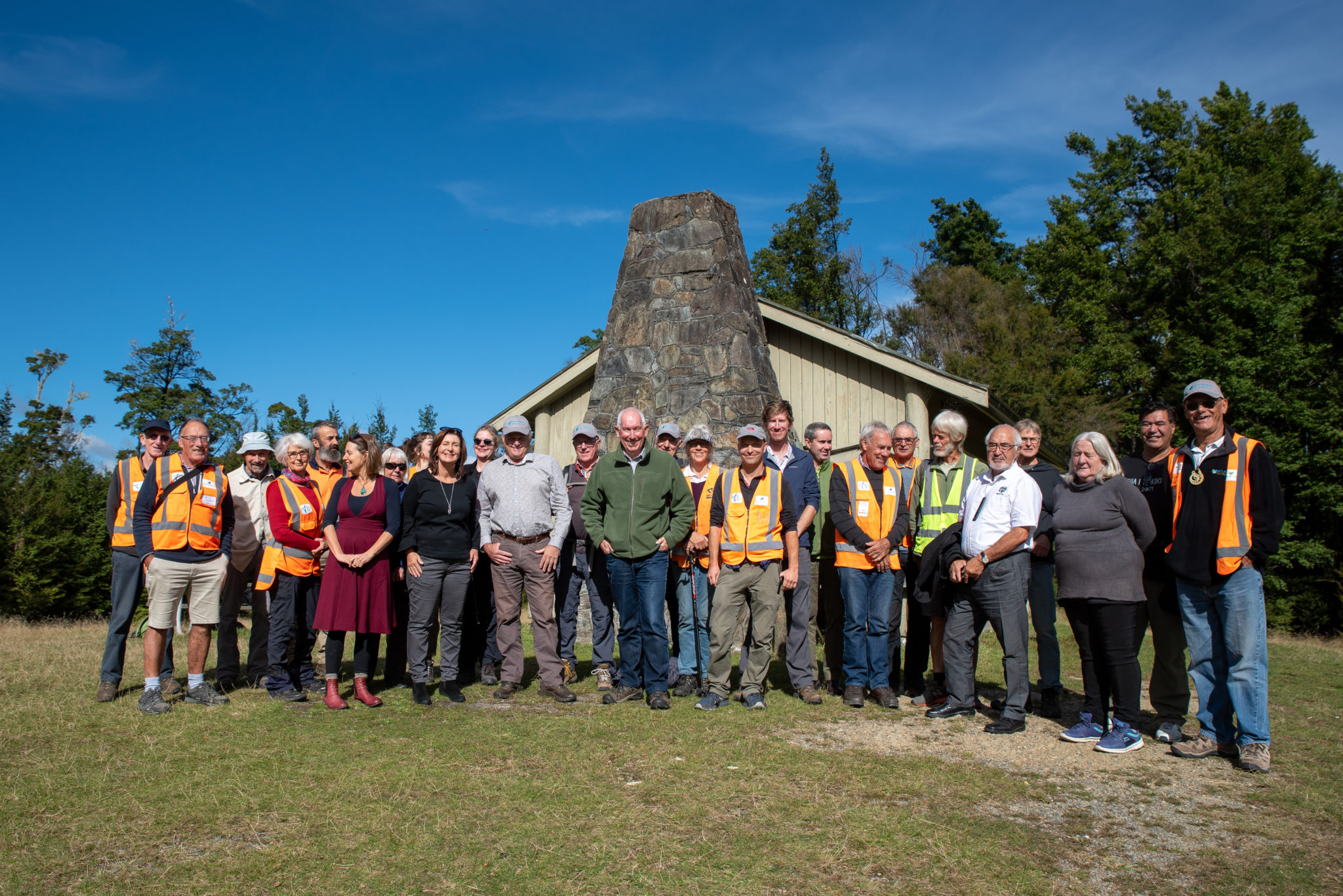
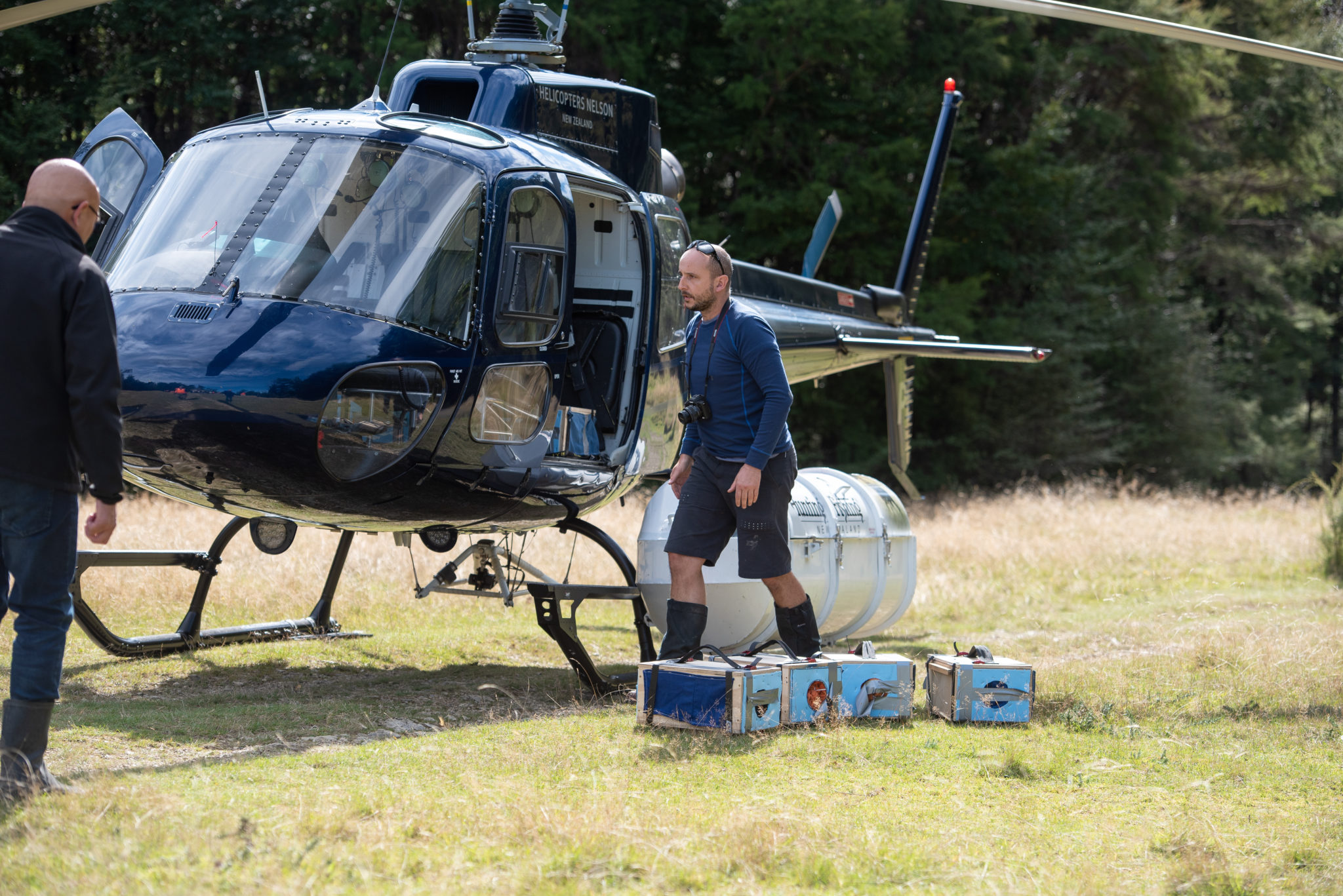
On 19 and 20 April 19, 2021 forty tīeke (South Island saddleback) were transported to the Sanctuary from Motuara Island in the Queen Charlotte Sound, first by boat to Ships Cove, then by helicopter.
All the birds survived the capture operation and translocation (a potentially stressful event for the birds).

This first attempt by the Sanctuary of a species translocation/reintroduction was the culmination of many years of hard work and planning by Sanctuary staff and volunteers.

Despite promising early signs, including initial sightings of bird pairings and of young fledglings, subsequently, it appears that a tīeke population has not established itself in the Sanctuary. It seems highly like that all of the translocated tīeke, and any surviving offspring, have flown beyond the safety of the pest-fence into the neighbouring forest areas and have fallen prey to rats and other introduced predators.
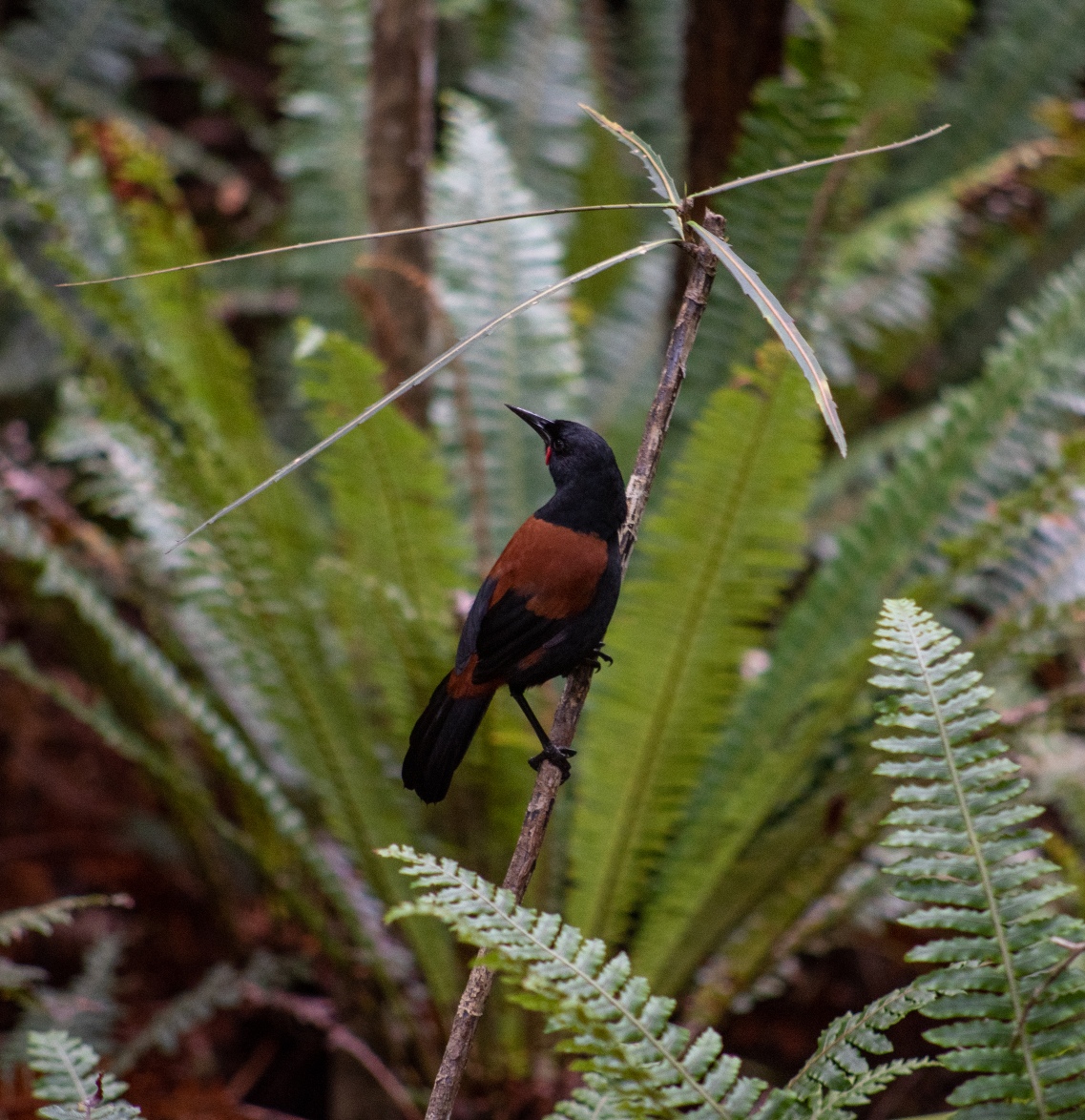
There have been no confirmed sightings of tīeke in the Sanctuary for more than 12 months.

Translocation and reintroduction of tieke; tieke; saddleback; bird banding; Brook Sanctuary

What does this mean for us?

The Sanctuary has been preparing itself for some time to be ready for the translocation and reintroduction of tīeke and many other species that have been lost in this region over the last 200 years or more. The release of tīeke signals a new stage in the development of the Sanctuary for conservation of plant and animal species. It has been recognised, by the Department of Conservation, local iwi and others, that we have the necessary bio-security policies, procedures, infrastructure and technical expertise to ensure reintroduced species have the best possible chance of thriving and increasing in numbers. This opens the way to further reintroductions of species, such as tuatara, kaka, kakariki and kiwi and others.

Translocation and reintroduction of tieke; tieke; saddleback; transporting; Brook Sanctuary; helicopter
Translocation and reintroduction of tieke; tieke; saddleback; release; Brook Sanctuary; volunteers;

What is a successful translocation?

Establishment is achieved when a population has become self-sustaining. Depending on the release environment and species involved, this may take several years and may require multiple follow-up translocations to ensure that the population is large enough, and has sufficient genetic diversity, for long-term stability.

There are many factors that contribute to a successful translocation, among them handling the birds with care, selecting healthy individuals, keeping the birds well fed and watered, and minimizing stress and overheating during transport and release.

Translocations of birds to the mainland is more challenging than to offshore islands. The water surrounding islands acts not only as a barrier for invasive predators, but also hinders endangered birds from leaving the safety of the islands. In contrast, due to the open nature of mainland sanctuaries, post-release dispersal away from the release site can be a challenge. The Brook Waimārama Sanctuary is unique because it is connected to the much larger Mount Richmond Forest of approximately 160,000 hectares; the possibility that the reintroduced tīeke will disperse beyond Sanctuary and be at risk of predation is very real. This, alongside the low number of birds translocated, is thought to be the reason that the birds did not establish. Though, once the population is stable inside the fence, it offers a great opportunity for tīeke to overflow into the surrounding forest.

Once the birds are released, maintaining the biosecurity predator-free status of the Sanctuary will be essential. This includes maintaining the integrity of the fence, rapid and effective responses to breaches, ongoing monitoring to detect predator incursions and continuing regular Sanctuary-wide pest surveys. While this is already being done, there will have to be greater vigilance from now on.

Translocation and reintroduction of tieke; tieke; saddleback; mihi; Brook Sanctuary

The translocation process

The tīeke that were released into the Brook Waimārama Sanctuary came from Motuara Island in the Queen Charlotte Sound.  The population on Motuara Island was established in 1994 from descendants of the birds rescued from Big South Cape Island in the 1960’s. They are thriving and healthy. In capturing the birds, preference was given to sub-adults as this may reduce post-release dispersal.  They were then transported to the Brook Waimārama Sanctuary by helicopter. The tīeke were welcomed by local iwi representatives at Third House and then released into the Sanctuary. The site was selected for its distance from the fence and proximity to fresh water.

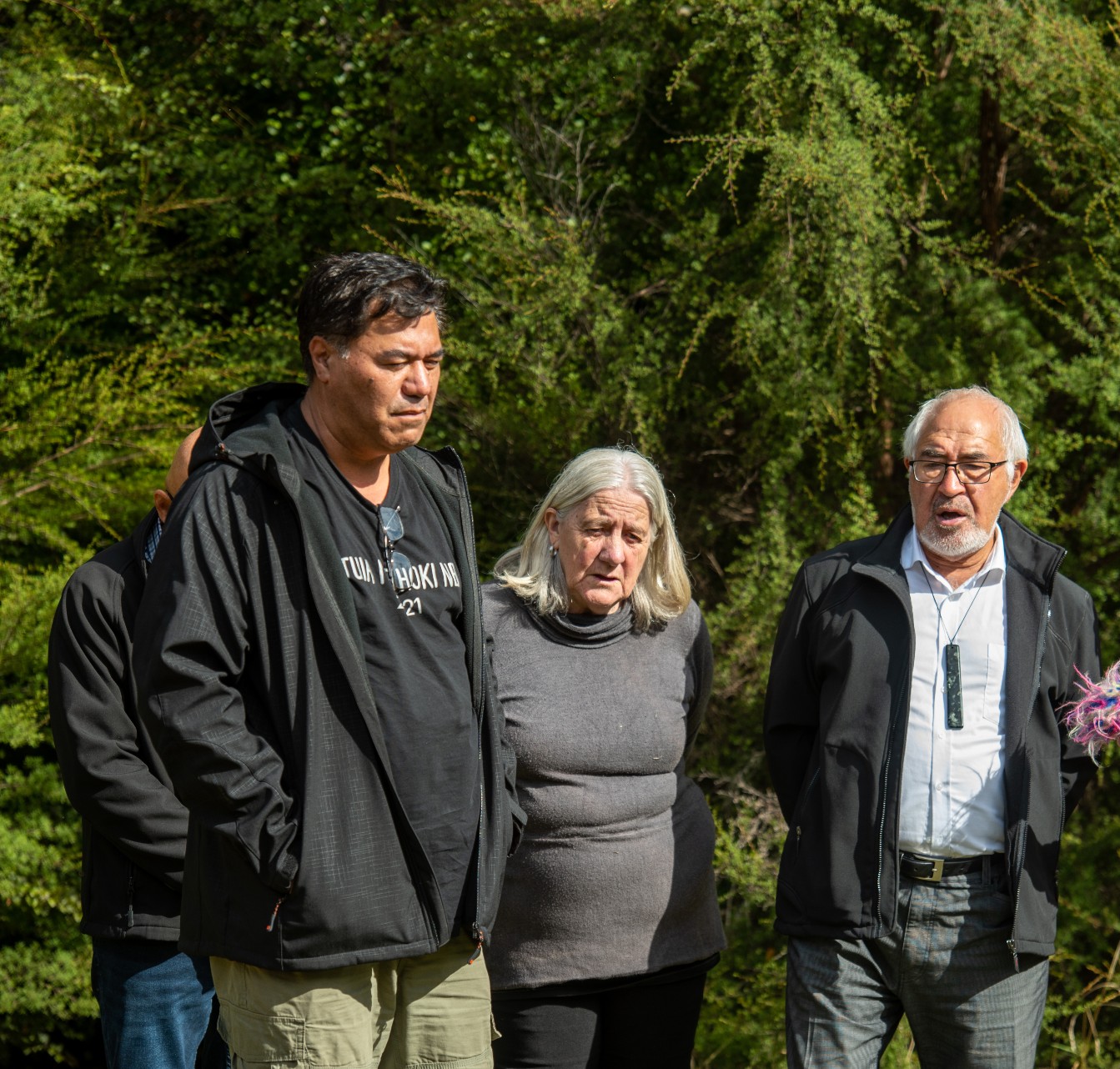
Iwi participated in the handover of the birds on both Motuara Island and at the Brook Waimārama Sanctuary. The ceremony included mihi whakatau, waiata and karakia, prior to the manu (birds) being released. The Sanctuary wants to acknowledge the support of mana whenua iwi in this translocation.

Following the release, birds will be monitored using playback calls, acoustic recorders, and five-minute bird counts.  Monitoring efforts will be conducted regularly, and a long-term monitoring plan is established.
Translocation and reintroduction of tieke; tieke; saddleback; release; Brook Sanctuary; volunteers; boxes

What you can do to help

The Sanctuary needs to continue to be predator-free which means high biosecurity vigilance, so we need lots of volunteer help with pest monitoring surveys as well as with donations to help cover costs. Why not join us?

When visiting the Sanctuary it will help us if people report back to the Visitor Center if they sight or hear tīeke during their walk. Birds will have different coloured leg bands and if these can be observed, without disturbing the bird, it will help us build a picture of where individual birds are within the Sanctuary. We would also welcome high-quality pictures and video footage to add to our archives.

People can help by observing the rule of not walking their dogs close to the outside of the fence of the Sanctuary.

Anyone interested in becoming a volunteer, please click here

Translocation and reintroduction of tieke; tieke; saddleback; release; Brook Sanctuary; Andy MacDonald

Financial support

If you wish to make a donation or find out more about becoming a sponsor of the Sanctuary, please click here

Video of the Translocation

You can view some short snippets of video about the release of these birds here  and here

Follow us on Instagram

@brooksanctuary
Share your photos with #brooksanctuary

Ngā mihi nui to Booster Wine Group and @wwfnz 🦎💚

Back in November 2024, generous support from Booster Wine Group ($9,447), WWF-New Zealand ($15,000) and other generous donors who helped make our tuatara translocation possible, returning these ancient reptiles to their ancestral home here in Whakatū Nelson - add with support and guidance from Ngati Koata who are the kaitiaki

Their funding supported key costs such as specialist animal care, transport, habitat preparation and ongoing monitoring for the 56 tuatara now living safely inside our predator-free enclosure at the Sanctuary.

We’re incredibly grateful for partners like Booster Wine Group and WWF-New Zealand, whose commitment to conservation creates a lasting legacy for tuatara and for everyone who visits the Sanctuary to learn about these remarkable taonga. 🌿
31 2
🌿 Ngahere Neighbourhood: koru of the mamaku (black tree fern)

Few sights in the ngahere are as iconic as the unfurling koru of a mamaku (Sphaeropteris medullaris). These towering tree ferns can reach up to 20 metres tall, with elegant black trunks patterned by hexagonal scars from fallen fronds.

Their massive fronds can stretch over five metres long, arching high above the forest floor to form a shady green canopy. The stalks and undersides are covered in small, spiny-edged scales — a key feature that helps distinguish mamaku from other large tree ferns.

Mamaku are widespread across Aotearoa, especially in lowland and coastal forests of the North Island and the wetter regions of the South. As new fronds uncurl, the koru shape symbolises new life, growth, and renewal — a form that continues to inspire art, design, and our connection to nature.

🔎 Species: Sphaeropteris medullaris
 🟢 Conservation status: Not Threatened
 📸 Photo by Rebecca Bowater

#NgahereNeighbourhood #BrookSanctuary #NativePlants #FernFriday #Mamaku #Koru #NewZealandNature #Conservation
44 0
We are proud to acknowledge Ngati Toa Rangitira as kaitiaki of the kiwi pukupuku (little spotted kiwi) now settling into life in the Sanctuary. 

Their guidance and mātauranga were central to this year’s translocation — from naming the birds to the ceremony at our visitor centre. 

Kiwi pukupuku are a treasured taonga, and we’re grateful to work alongside Ngāti Toa Rangatira and our iwi partners in supporting their return to Whakatū. 

Ngā mihi nui to everyone involved in bringing these kiwi home.
71 0
🌼 Ngahere Neighbourhood: mikoikoi (New Zealand iris)

With its elegant fans of golden-green leaves and delicate white blooms, mikoikoi (Libertia ixioides) brings quiet beauty to the ngahere. This hardy perennial herb is found from coastal cliffs to mountain slopes throughout Aotearoa and is a true New Zealand endemic.

In spring and early summer, mikoikoi produces clusters of white, three-petalled flowers that give way to striking orange seed capsules. Its leaves often take on yellow tones in full sun, forming dense clumps that help stabilise soil on ridges and banks.
Mikoikoi belongs to the iris family and is one of several Libertia species unique to Aotearoa. There are two species found within the Sanctuary, with Libertia moorae being endemic to Te Tau Ihu (Top of the South). You’ll often find it along the Sanctuary’s sunny forest edges and stream banks — a subtle but beautiful reminder of our native flora’s diversity and resilience.

🔎 Species: Libertia ixioides
 🟢 Conservation status: Not Threatened
 📸 Photo by Rebecca Bowater

#NgahereNeighbourhood #BrookSanctuary #NativePlants #Mikoikoi #NewZealandIris #Conservation #NewZealandNature
40 0
✨ An unforgettable kiwi pukupuku encounter

Sometimes, you just get lucky.

Some of our night tour visitors got the surprise of a lifetime. While admiring the glow worms, the group suddenly heard a male kiwi pukupuku calling nearby. Moments later, one of our visitors felt something gently brushing against her feet.
When the torch came on, there it was — a kiwi pukupuku standing right beside the group.

Even better, someone captured the moment on video.

This curious kiwi wandered off into the ngahere… then strolled back for another look. Encounters like this are incredibly rare, and seeing kiwi confidently exploring the Sanctuary — only months after their arrival in May — is a wonderful sign of how well they’re settling and thriving.

A magical night none of us will forget.

🎟️ Want to experience the ngahere after dark? Join one of our guided night tours.
[Link in bio]

Video credit: Carmeli Bitoin

#kiwiencounter #kiwisighting #BrookSanctuary #kiwipukupuku #LittleSpottedKiwi #AotearoaNature #PredatorFreeNZ #NelsonNZ #NZwildlife #ConservationNZ #Kaitiakitanga #NZnature #NatureLoversNZ #NZbirds #Nzmustdo #OnlyInNZ
459 9

STRATEGIC SUPPORTERS

NBS-Comm-2col-CMYK-Hires (002)

CONSERVATION CHAMPIONS

Come Visit Us!

651 Brook St, The Brook
Nelson 7010
New Zealand

(03) 539 4920

info@brooksanctuary.org.nz

OPEN HOURS

Wednesday: 10am – 4pm*
Thursday: 10am – 4pm*
Friday: 10am – 4pm*
Saturday: 10am – 4pm*
Sunday: 10am – 4pm*

The Sanctuary is open on all public holidays except Christmas Day.
*Last entry 3pm

PUBLIC TRANSPORT

NBus route 4 visits the Brook Sanctuary 6 days a week and departs from Nelson Airport. Click here for full timetable

Back To Top